Rosenberg Helene F, Domachowske Joseph B
Laboratory of Allergic Diseases, National Institute of Allergy and Infectious Diseases, NIH, Bethesda, MD 20892, USA.
Immunol Lett. 2008 Jun 15;118(1):6-12. doi: 10.1016/j.imlet.2008.03.013. Epub 2008 Apr 22.
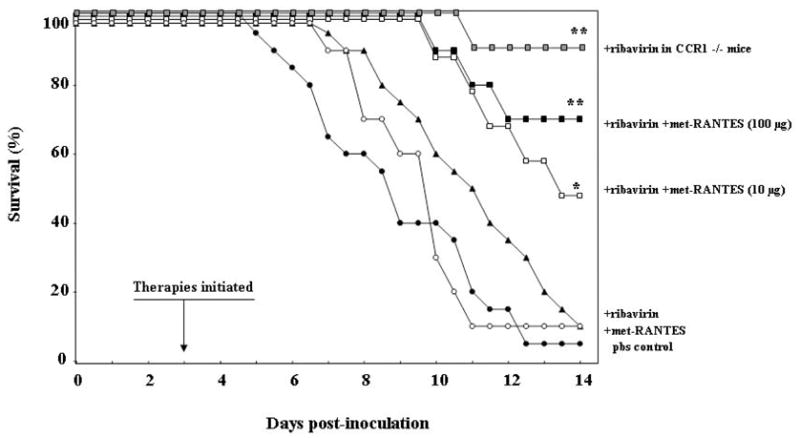
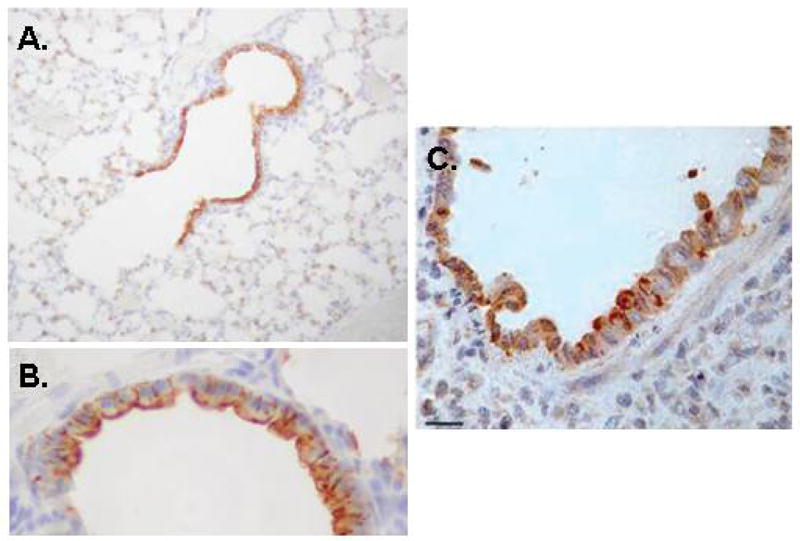
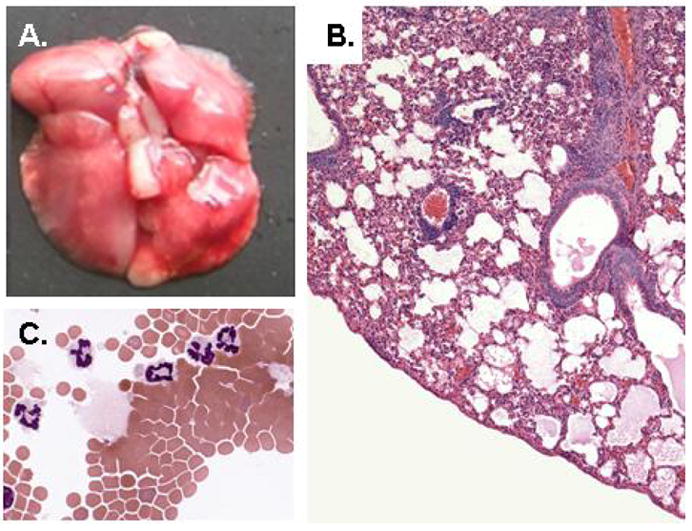
Pneumonia virus of mice (PVM; family Paramyxoviridae, genus Pneumovirus) is a natural mouse pathogen that is closely related to human and bovine respiratory syncytial viruses. Among the prominent features of this infection, robust replication of PVM takes place in bronchial epithelial cells in response to a minimal virus inoculum. Virus replication in situ results in local production of proinflammatory cytokines (MIP-1alpha, MIP-2, MCP-1 and IFNgamma) and granulocyte recruitment to the lung. If left unchecked, PVM infection and the ensuing inflammatory response ultimately lead to pulmonary edema, respiratory compromise and death. In this review, we consider the recent studies using the PVM model that have provided important insights into the role of the inflammatory response in the pathogenesis of severe respiratory virus infection. We also highlight several works that have elucidated acquired immune responses to this pathogen, including T cell responses and the development of humoral immunity. Finally, we consider several immunomodulatory strategies that have been used successfully to reduce morbidity and mortality when administered to PVM-infected, symptomatic mice, and thus hold promise as realistic therapeutic strategies for severe respiratory virus infections in human subjects.
小鼠肺炎病毒(PVM;副粘病毒科肺病毒属)是一种天然的小鼠病原体,与人类和牛呼吸道合胞病毒密切相关。这种感染的显著特征之一是,在接种少量病毒后,PVM能在支气管上皮细胞中大量复制。病毒在原位复制会导致促炎细胞因子(MIP-1α、MIP-2、MCP-1和IFNγ)的局部产生,并使粒细胞募集到肺部。如果不加以控制,PVM感染及随之而来的炎症反应最终会导致肺水肿、呼吸功能不全和死亡。在这篇综述中,我们探讨了近期利用PVM模型开展的研究,这些研究为炎症反应在严重呼吸道病毒感染发病机制中的作用提供了重要见解。我们还着重介绍了几项阐明对该病原体获得性免疫反应的研究工作,包括T细胞反应和体液免疫的发展。最后,我们探讨了几种免疫调节策略,这些策略在用于感染PVM且出现症状的小鼠时,已成功降低了发病率和死亡率,因此有望成为治疗人类严重呼吸道病毒感染的切实可行的治疗策略。