Wu Hai-hui, Su Bing
State Key Laboratory of Genetic Resources and Evolution, Kunming Institute of Zoology, Chinese Academy of Sciences, Kunming, Yunnan, PR China.
BMC Evol Biol. 2008 Jul 5;8:192. doi: 10.1186/1471-2148-8-192.
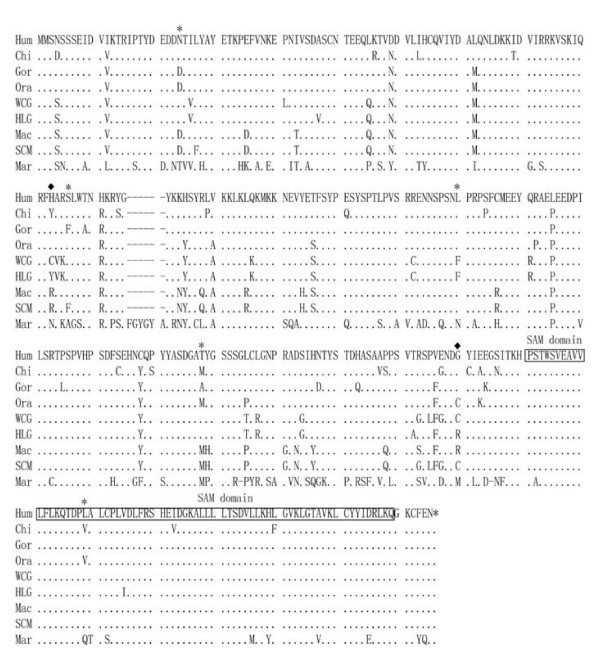
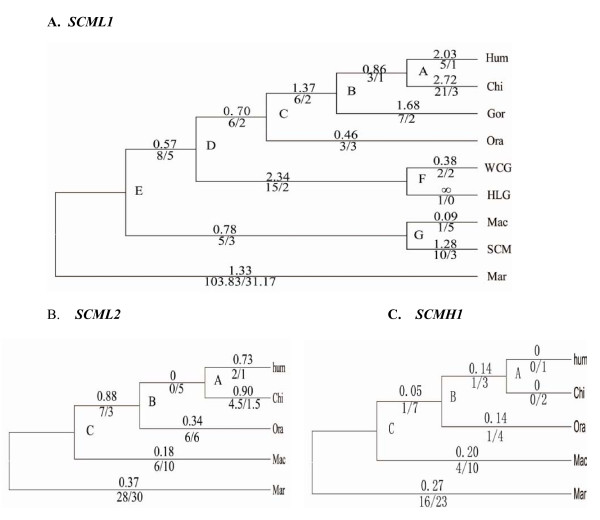
Genes involved in male reproduction are often the targets of natural and/or sexual selection. SCML1 is a recently identified X-linked gene with preferential expression in testis. To test whether SCML1 is the target of selection in primates, we sequenced and compared the coding region of SCML1 in major primate lineages, and we observed the signature of positive selection in primates.
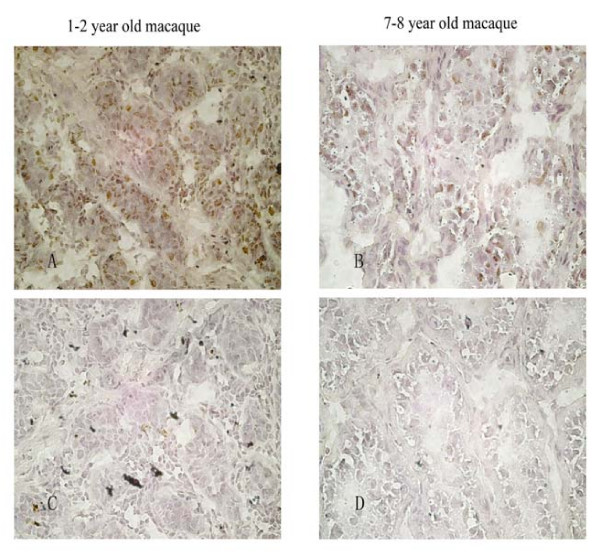
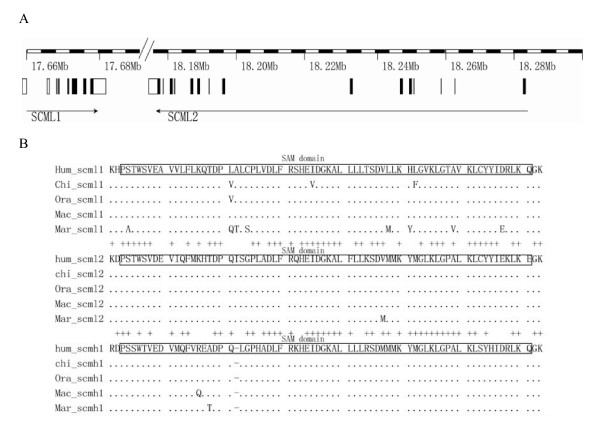
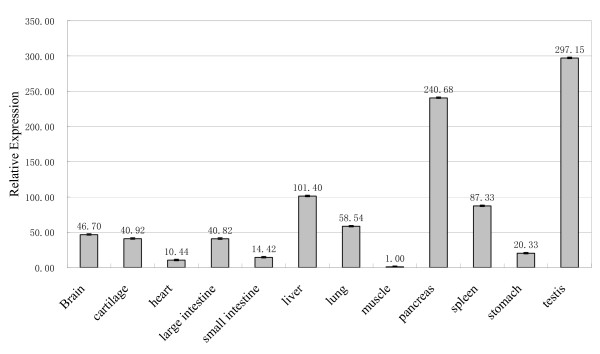
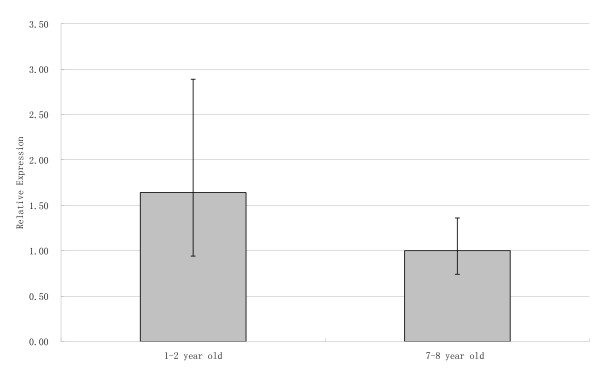
We analyzed the molecular evolutionary pattern of SCML1 in diverse primate species, and we observed a strong signature of adaptive evolution which is caused by Darwinian positive selection. When compared with the paralogous genes (SCML2 and SCMH1) of the same family, SCML1 evolved rapidly in primates, which is consistent with the proposed adaptive evolution, suggesting functional modification after gene duplication. Gene expression analysis in rhesus macaques shows that during male sexual maturation, there is a significant expression change in testis, implying that SCML1 likely plays a role in testis development and spermatogenesis. The immunohistochemical data indicates that SCML1 is preferentially expressed in germ stem cells of testis, therefore likely involved in spermatogenesis.
The adaptive evolution of SCML1 in primates provides a new case in understanding the evolutionary process of genes involved in primate male reproduction.
参与雄性生殖的基因通常是自然选择和/或性选择的目标。SCML1是最近鉴定出的一个在睾丸中优先表达的X连锁基因。为了测试SCML1是否是灵长类动物中选择的目标,我们对主要灵长类谱系中SCML1的编码区进行了测序和比较,并观察到灵长类动物中存在正选择的特征。
我们分析了SCML1在不同灵长类物种中的分子进化模式,观察到由达尔文正选择引起的强烈适应性进化特征。与同一家族的旁系同源基因(SCML2和SCMH1)相比,SCML1在灵长类动物中进化迅速,这与所提出的适应性进化一致,表明基因复制后功能发生了改变。恒河猴的基因表达分析表明,在雄性性成熟过程中,睾丸中有显著的表达变化,这意味着SCML1可能在睾丸发育和精子发生中起作用。免疫组织化学数据表明,SCML1在睾丸生殖干细胞中优先表达,因此可能参与精子发生。
SCML1在灵长类动物中的适应性进化为理解参与灵长类雄性生殖的基因的进化过程提供了一个新的案例。