Cordes Sara, Gallistel C R
Duke University, Department of Psychology and Neuroscience, Durham, NC 27708-90999, USA.
Brain Res. 2008 Aug 28;1227:120-7. doi: 10.1016/j.brainres.2008.06.043. Epub 2008 Jun 21.
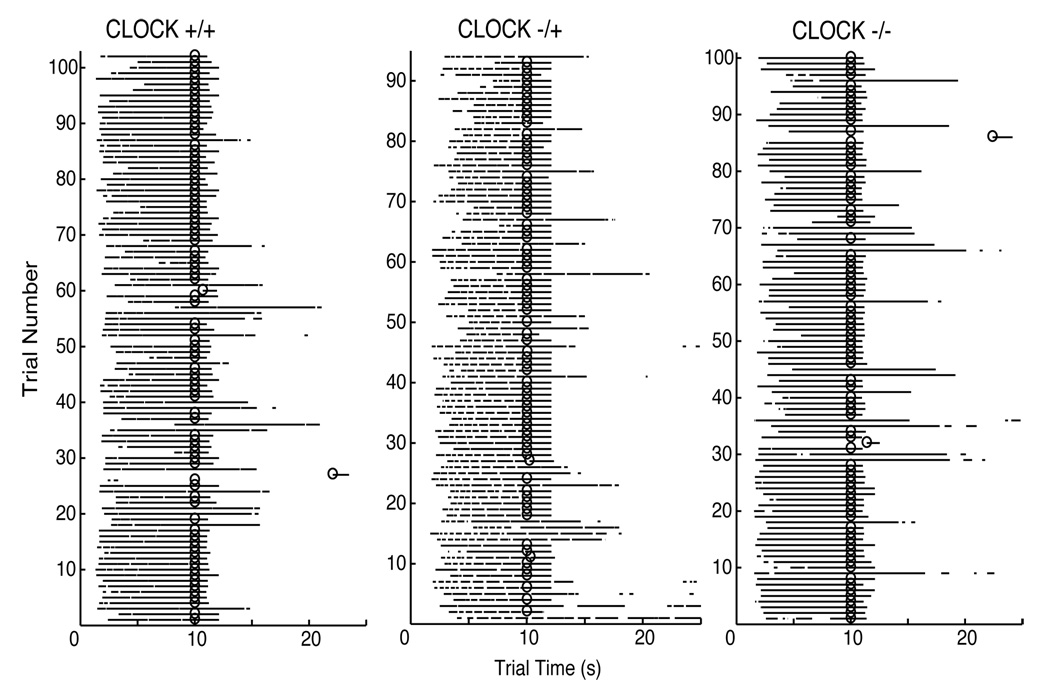
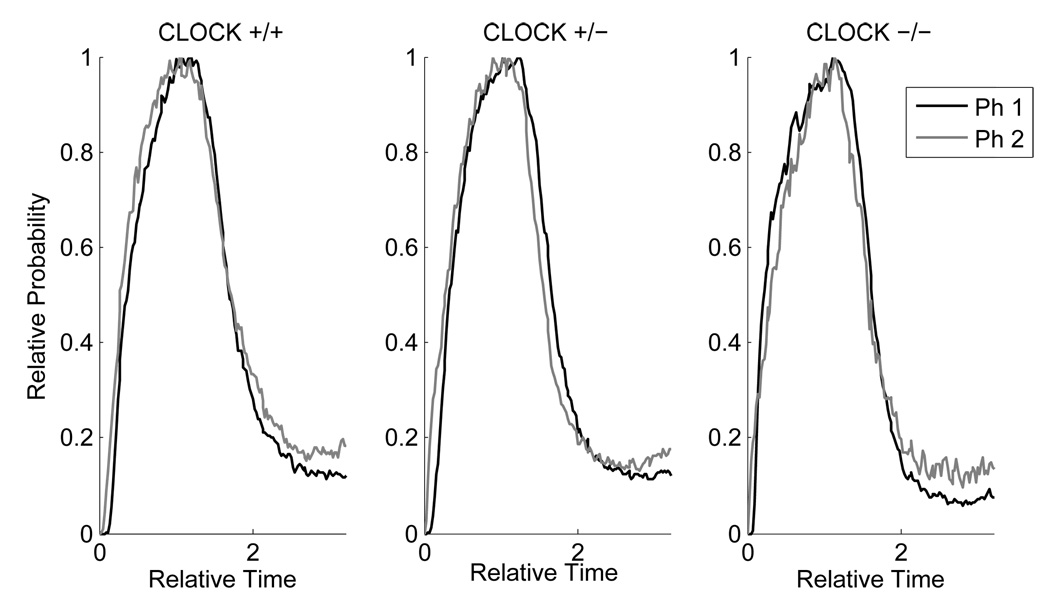
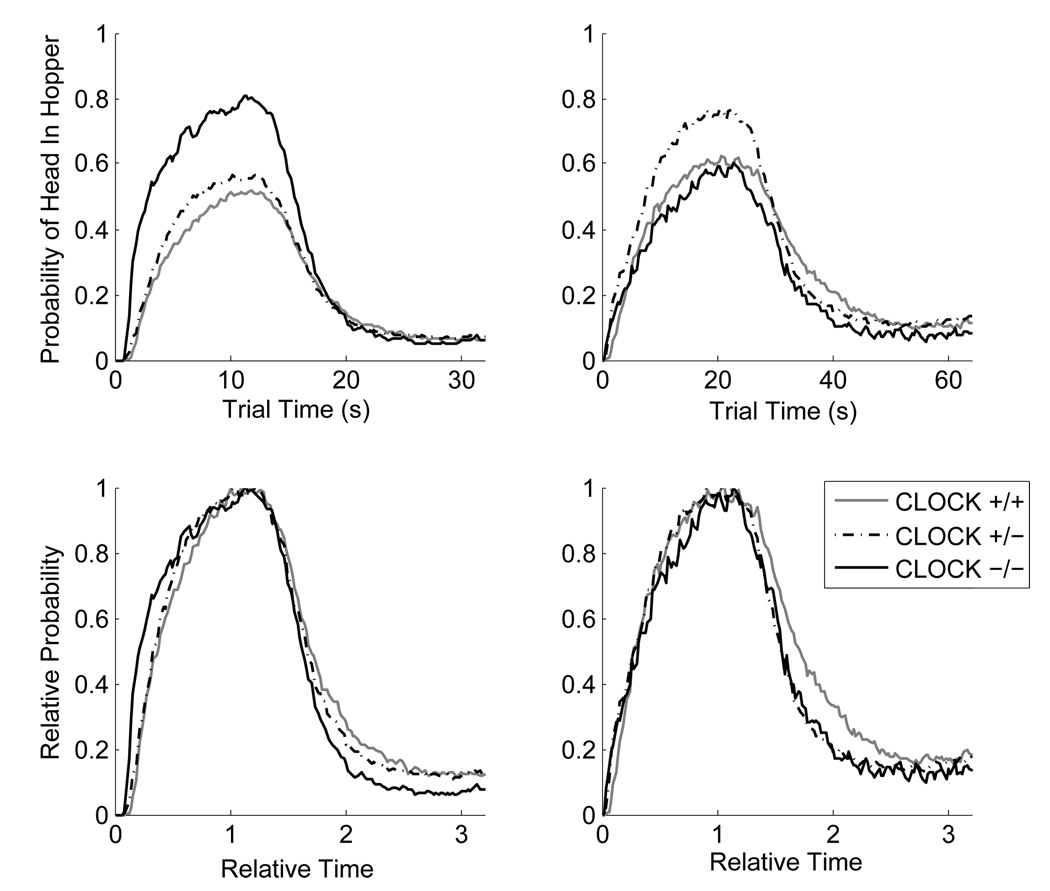
While progress has been made in determining the molecular basis for the circadian clock, the mechanism by which mammalian brains time intervals measured in seconds to minutes remains a mystery. An obvious question is whether the interval-timing mechanism shares molecular machinery with the circadian timing mechanism. In the current study, we trained circadian CLOCK +/- and -/- mutant male mice in a peak-interval procedure with 10 and 20-s criteria. The mutant mice were more active than their wild-type littermates, but there were no reliable deficits in the accuracy or precision of their timing as compared with wild-type littermates. This suggests that expression of the CLOCK protein is not necessary for normal interval timing.
虽然在确定昼夜节律钟的分子基础方面已取得进展,但哺乳动物大脑对秒到分钟时长的时间间隔进行计时的机制仍是个谜。一个显而易见的问题是,间隔计时机制是否与昼夜节律计时机制共享分子机制。在当前的研究中,我们让昼夜节律CLOCK基因杂合和纯合突变的雄性小鼠在峰间期程序中进行训练,标准时长分别为10秒和20秒。突变小鼠比它们的野生型同窝小鼠更活跃,但与野生型同窝小鼠相比,它们计时的准确性或精确性没有可靠的缺陷。这表明CLOCK蛋白的表达对于正常的间隔计时并非必要。