Charron Jean-Benoit F, Ouellet Francois, Houde Mario, Sarhan Fathey
Département des Sciences biologiques, Université du Québec à Montréal, Case Postale 8888, Succursale Centre-ville, Montreal, Quebec, H3C 3P8, Canada.
BMC Plant Biol. 2008 Jul 31;8:86. doi: 10.1186/1471-2229-8-86.
Lipocalins are a large and diverse family of small, mostly extracellular proteins implicated in many important functions. This family has been studied in bacteria, invertebrate and vertebrate animals but little is known about these proteins in plants. We recently reported the identification and molecular characterization of the first true lipocalins from plants, including the Apolipoprotein D ortholog AtTIL identified in the plant model Arabidopsis thaliana. This study aimed to determine its physiological role in planta.
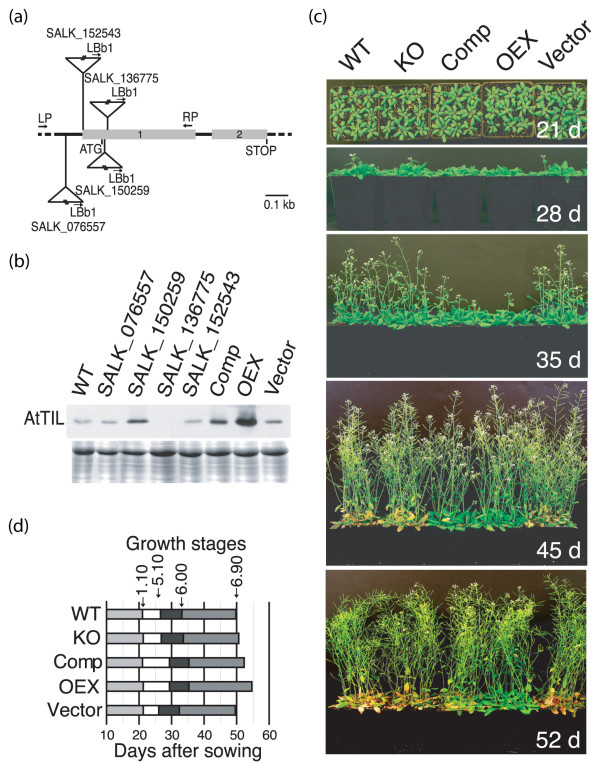
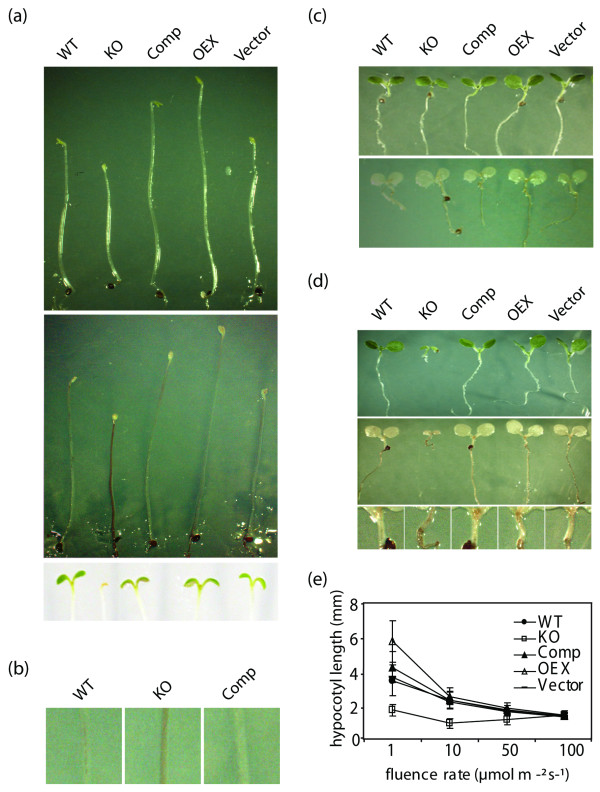
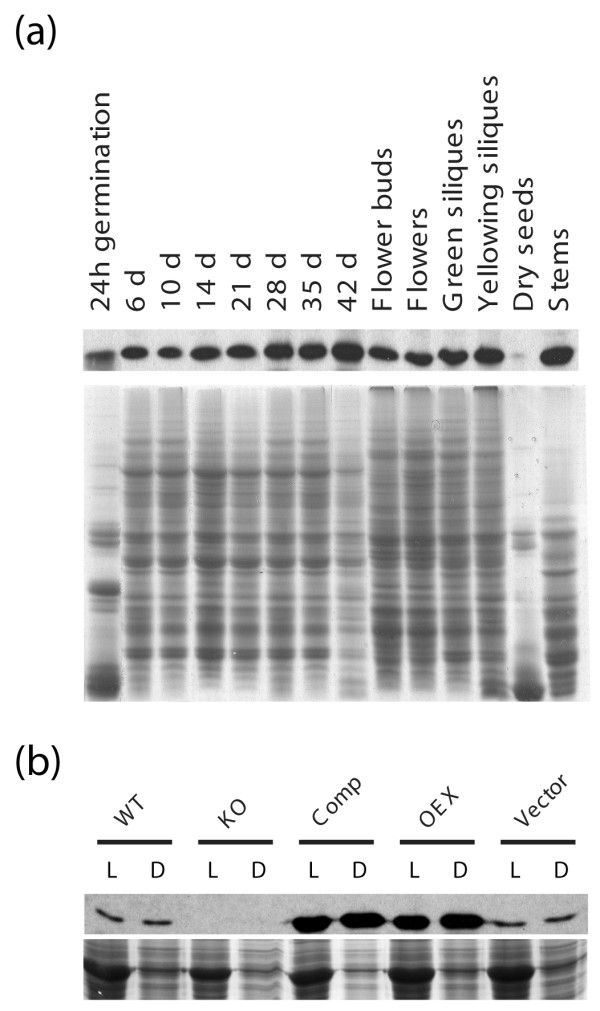
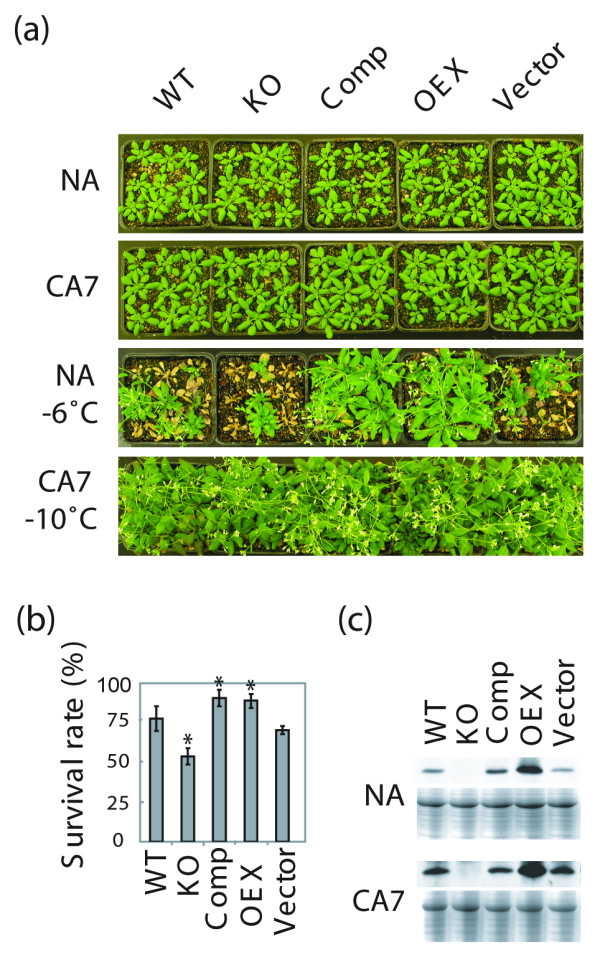
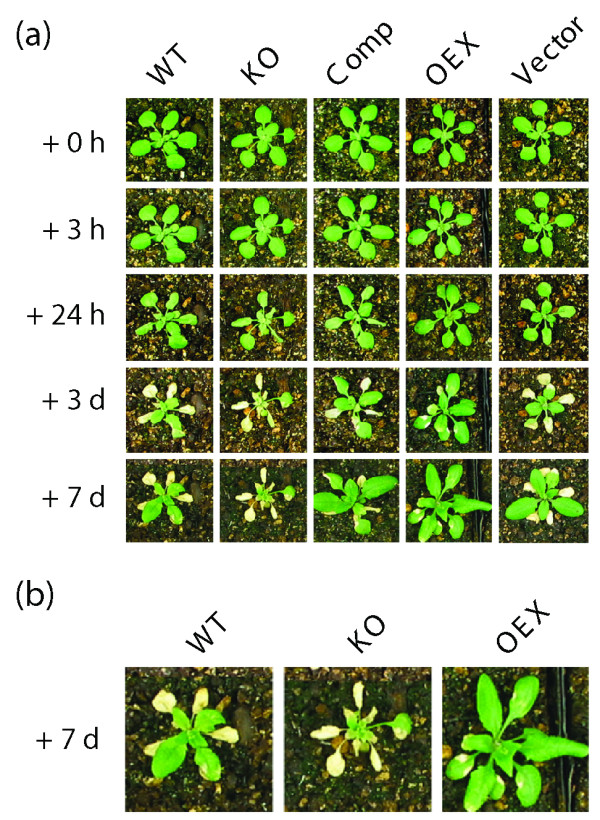
Our results demonstrate that the AtTIL lipocalin is involved in modulating tolerance to oxidative stress. AtTIL knock-out plants are very sensitive to sudden drops in temperature and paraquat treatment, and dark-grown plants die shortly after transfer to light. These plants accumulate a high level of hydrogen peroxide and other ROS, which causes an oxidative stress that is associated with a reduction in hypocotyl growth and sensitivity to light. Complementation of the knock-out plants with the AtTIL cDNA restores the normal phenotype. On the other hand, overexpression enhances tolerance to stress caused by freezing, paraquat and light. Moreover, this overexpression delays flowering and maintains leaf greenness. Microarray analyses identified several differentially-regulated genes encoding components of oxidative stress and energy balance.
This study provides the first functional evidence that a plant lipocalin is involved in modulating tolerance to oxidative stress. These findings are in agreement with recently published data showing that overexpression of ApoD enhances tolerance to oxidative stress and increases life span in mice and Drosophila. Together, the three papers strongly support a similar function of lipocalins in these evolutionary-distant species.
脂质运载蛋白是一个庞大且多样的小蛋白家族,大多存在于细胞外,涉及许多重要功能。该家族已在细菌、无脊椎动物和脊椎动物中得到研究,但在植物中对这些蛋白却知之甚少。我们最近报道了从植物中鉴定出首个真正的脂质运载蛋白及其分子特征,包括在植物模式生物拟南芥中鉴定出的载脂蛋白D直系同源物AtTIL。本研究旨在确定其在植物中的生理作用。
我们的结果表明,AtTIL脂质运载蛋白参与调节对氧化应激的耐受性。AtTIL基因敲除植物对温度骤降和百草枯处理非常敏感,黑暗中生长的植物在转移到光照后不久就会死亡。这些植物积累了高水平的过氧化氢和其他活性氧,这会导致氧化应激,并与下胚轴生长减少和对光的敏感性相关。用AtTIL cDNA对基因敲除植物进行互补可恢复正常表型。另一方面,过表达增强了对冷冻、百草枯和光照引起的胁迫的耐受性。此外,这种过表达延迟了开花并维持了叶片的绿色。微阵列分析鉴定了几个差异调节的基因,这些基因编码氧化应激和能量平衡的成分。
本研究提供了首个功能证据,证明植物脂质运载蛋白参与调节对氧化应激的耐受性。这些发现与最近发表的数据一致,这些数据表明ApoD的过表达增强了对氧化应激的耐受性,并延长了小鼠和果蝇的寿命。这三篇论文共同有力地支持了脂质运载蛋白在这些进化距离较远的物种中具有相似功能。