Paredes D A, Cartford M C, Catlow B J, Samec A, Avilas M, George A, Schlunck A, Small B, Bickford P C
Center of Excellence for Aging and Brain Repair, Department of Neurosurgery, University of South Florida, Tampa, FL 33612, USA.
Neurobiol Learn Mem. 2009 Oct;92(3):267-82. doi: 10.1016/j.nlm.2008.08.008. Epub 2008 Oct 21.
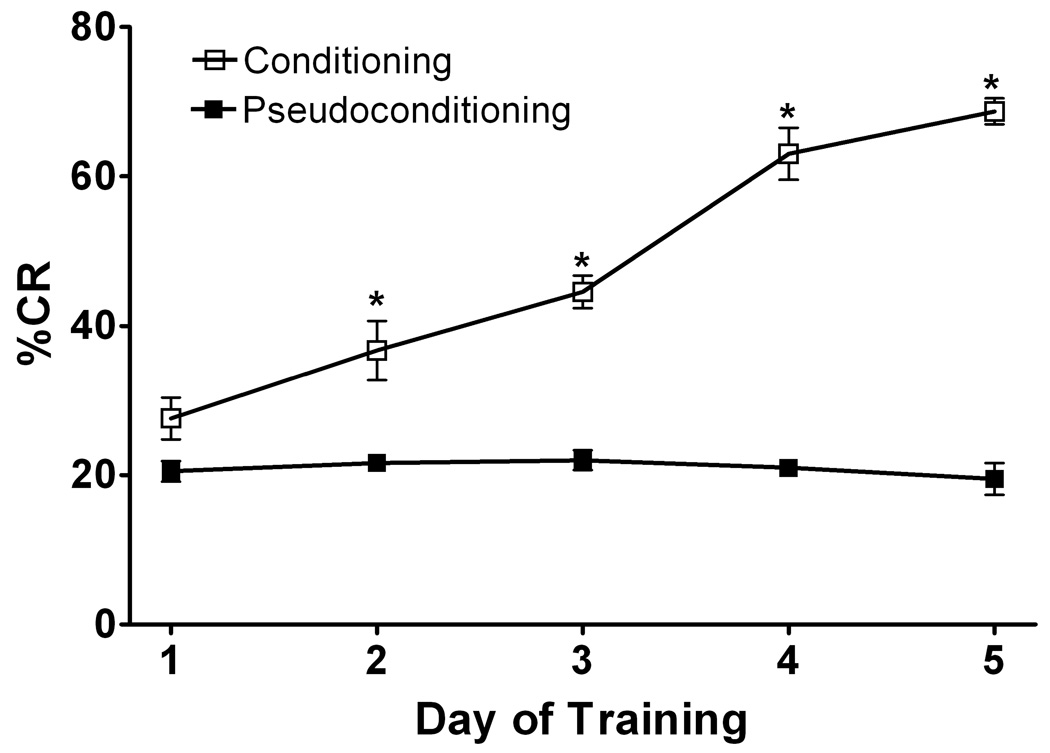
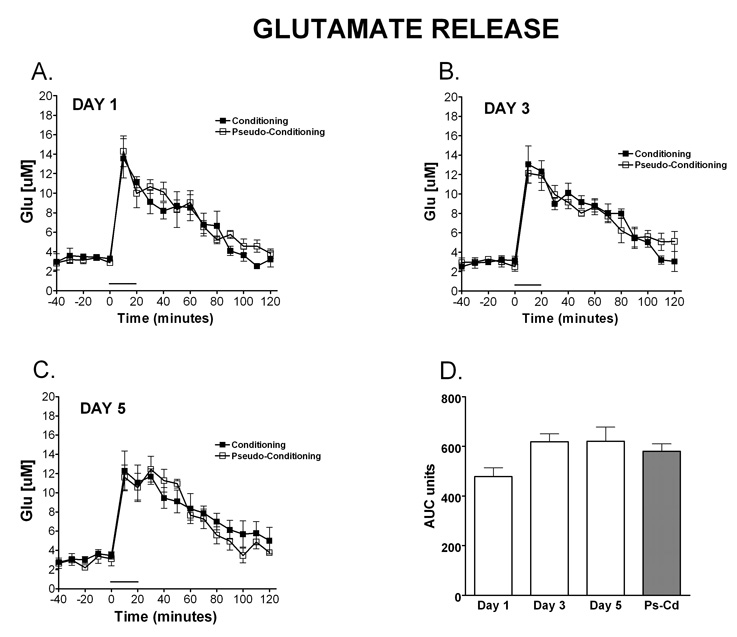
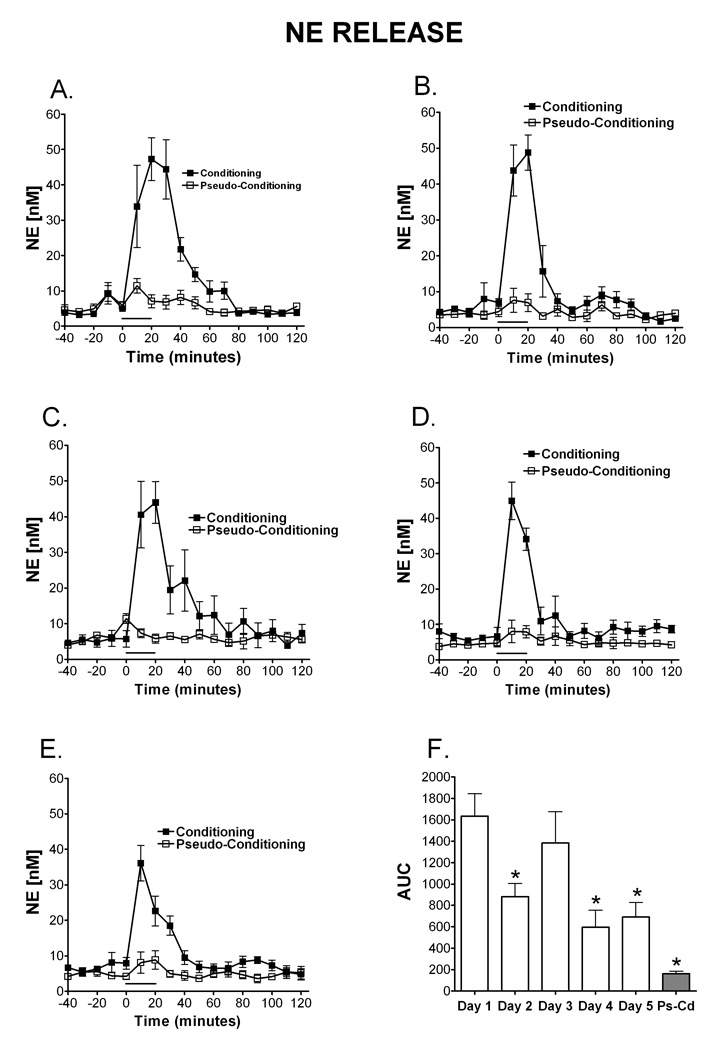
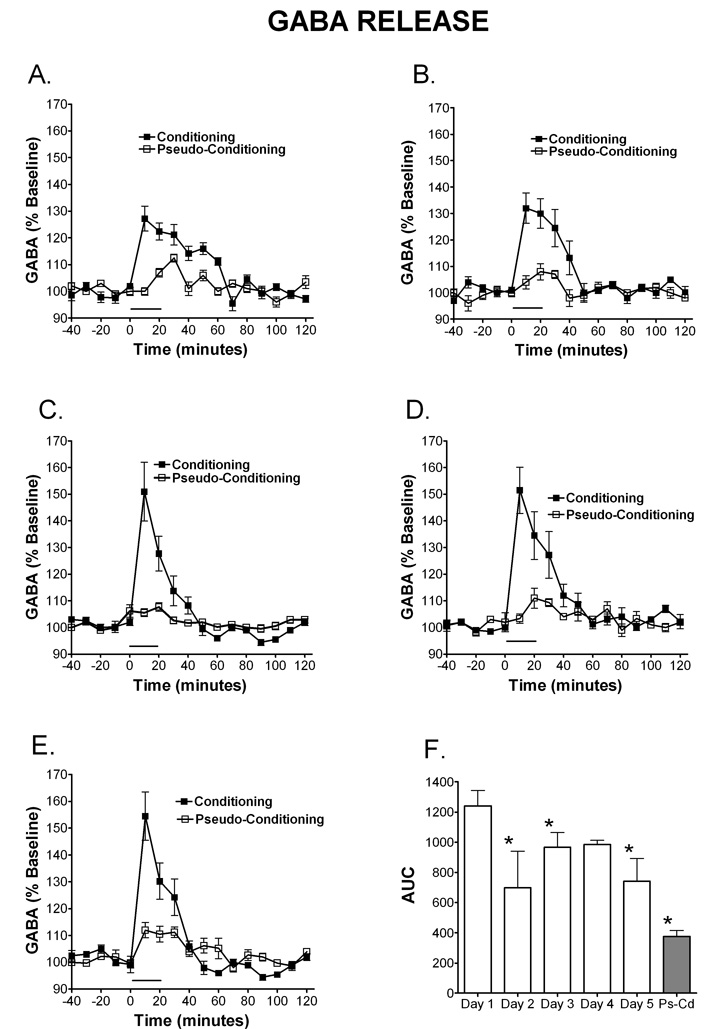
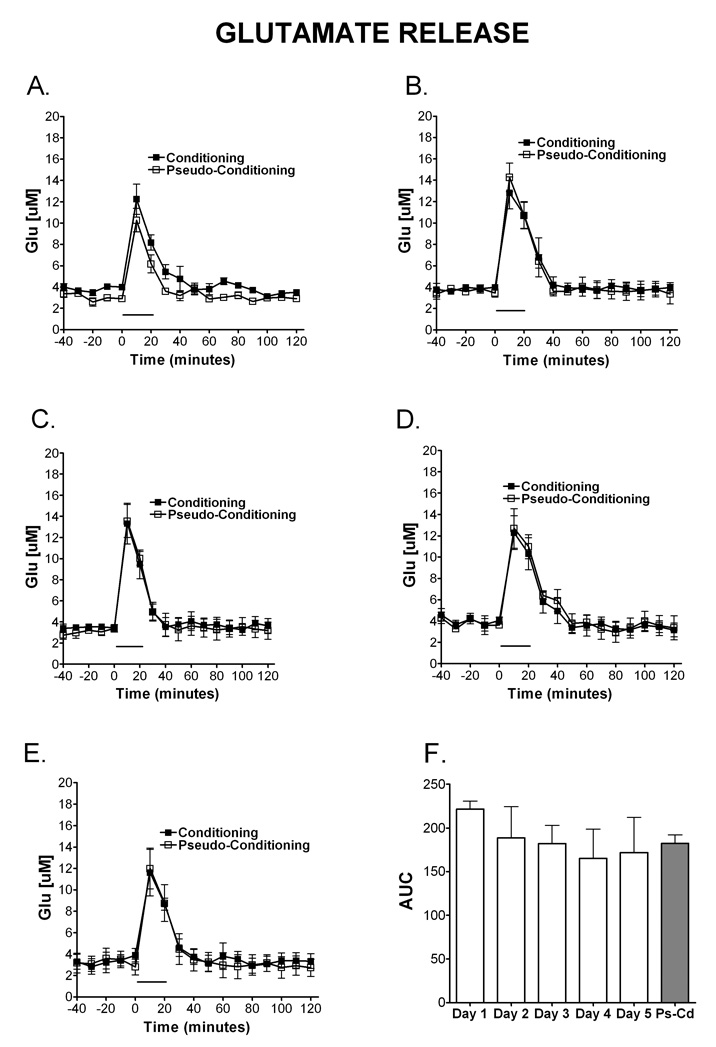
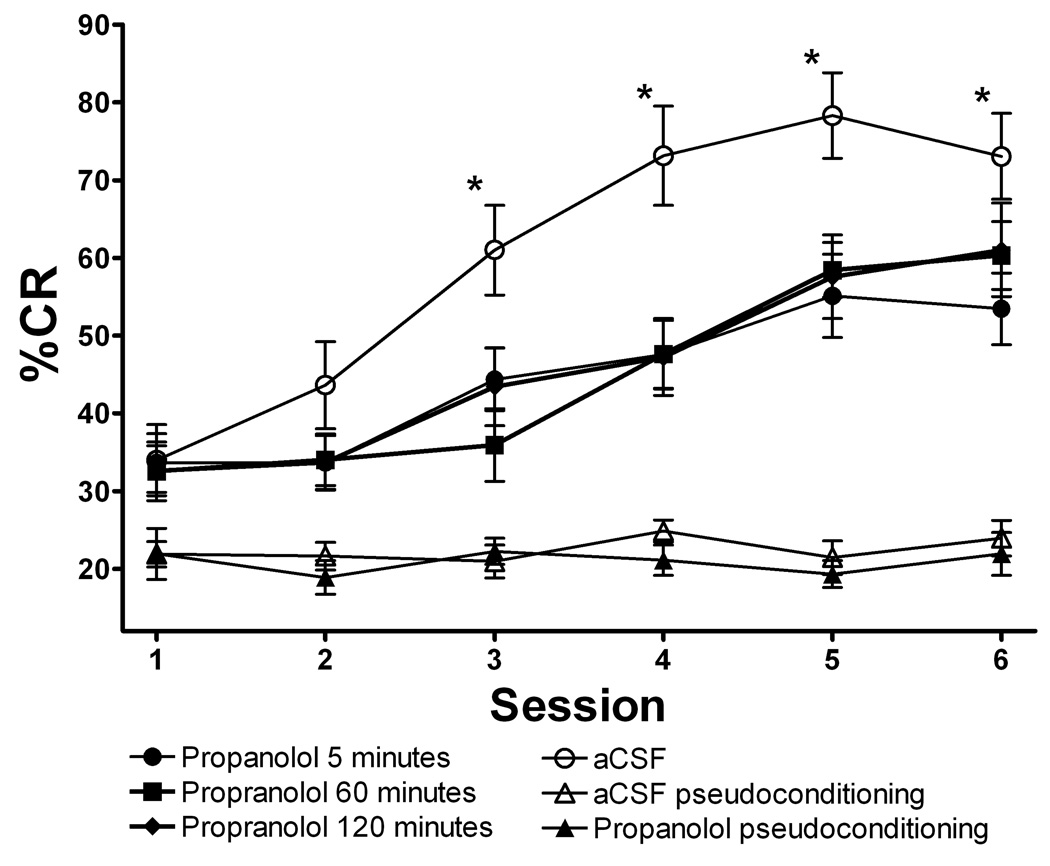
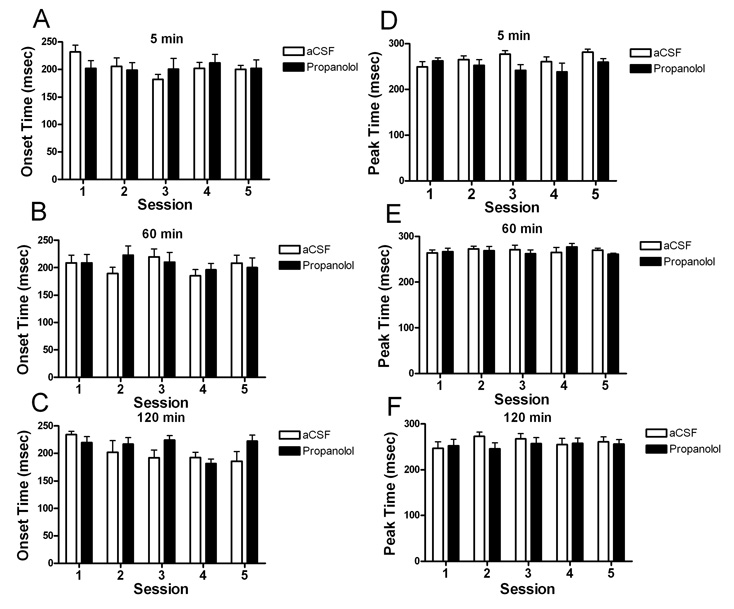
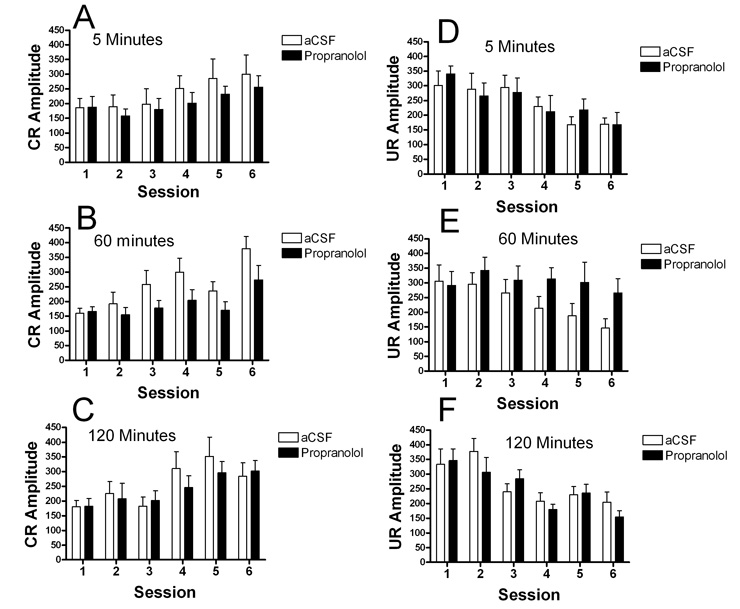
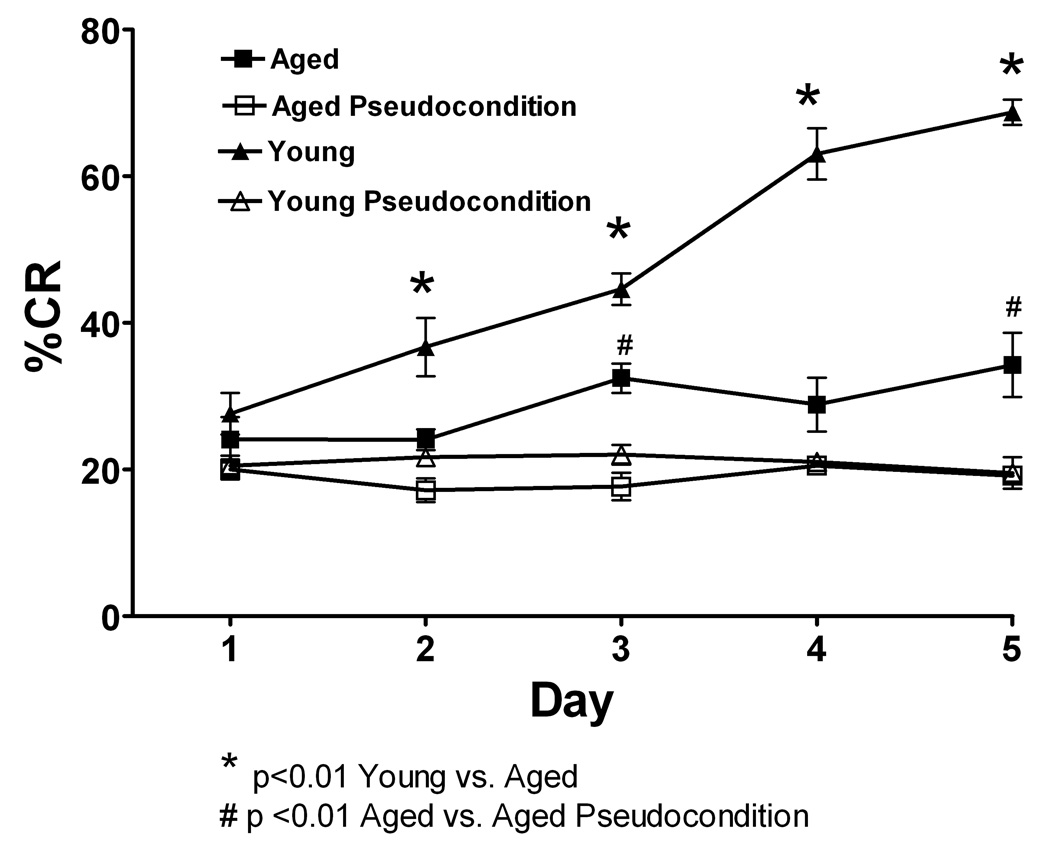
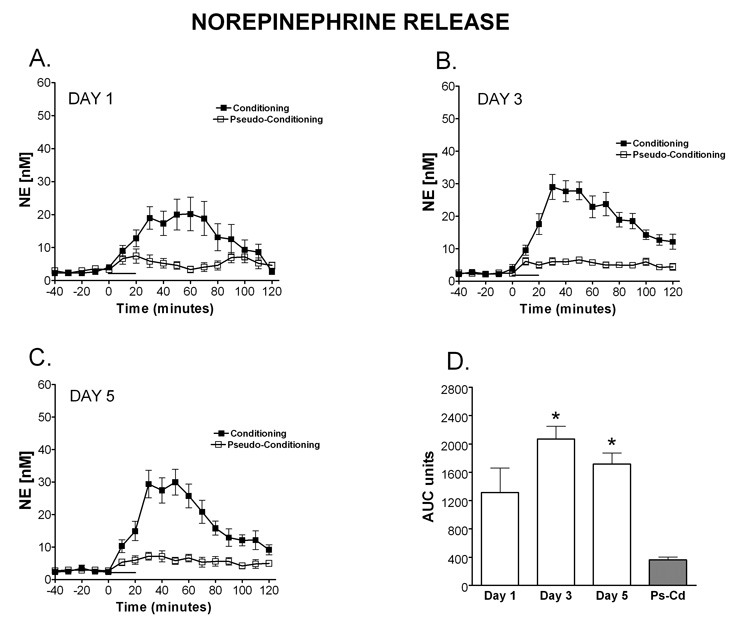
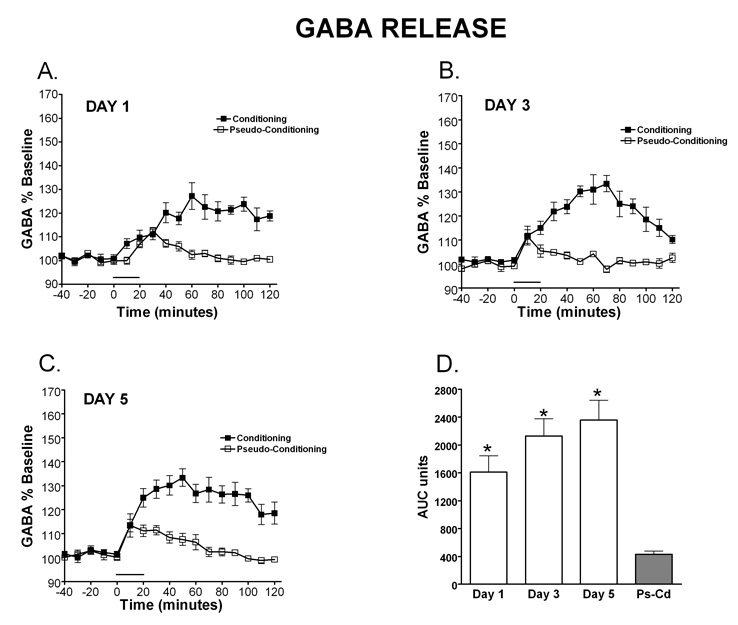
Delay classical eyeblink conditioning (EBC) is an important model of associative, cerebellar-dependent learning. Norepinephrine (NE) plays a significant modulatory role in the acquisition of learning; however, other neurotransmitters are also involved. The goal was to determine whether NE, gamma-aminobutyric acid (GABA) and glutamate (GLU) release are observed in cerebellar cortex during EBC, and whether such release was selectively associated with training. Further studies examined the role of the beta-noradrenergic receptor in consolidation of the learned response by local infusion of propranolol at 5-120 min following training into the cerebellar cortex. In vivo microdialysis coupled to EBC was performed to examine neurotransmitter release. An increase in the extracellular level of NE was observed during EBC and was maximal on day 1 and diminished in amplitude with subsequent days of training. No changes in baseline NE release were observed in pseudoconditioning indicating that NE release is directly related to the associative learning process. The extracellular levels of GABA were also increased selectively during paired training however, the magnitude of GABA release increased over days of training. GLU release was observed to increase during both paired and unpaired training, suggesting that learning does not occur prior to the information arriving in the cerebellum. When propranolol was administered at either 5-, 60-, or 120-min post-training, there was an inhibition of conditioned responses, these data support the hypothesis that NE is important for consolidation of learning. In another set of experiments we demonstrate that the timing of release of NE, GABA and glutamate are significantly delayed in onset and lengthened in duration in the 22-month-old F344 rats. Over days of training the timing of release becomes closer to the timing of training and this is associated with increased learning of conditioned responses in the aged rats.
延迟经典眨眼条件反射(EBC)是一种重要的与小脑相关的联合学习模型。去甲肾上腺素(NE)在学习获得过程中发挥着重要的调节作用;然而,其他神经递质也参与其中。目的是确定在EBC过程中小脑皮质是否观察到NE、γ-氨基丁酸(GABA)和谷氨酸(GLU)的释放,以及这种释放是否与训练选择性相关。进一步的研究通过在训练后5 - 120分钟向小脑皮质局部注射普萘洛尔来研究β-去甲肾上腺素能受体在巩固习得反应中的作用。采用与EBC相结合的体内微透析技术来检测神经递质的释放。在EBC过程中观察到NE细胞外水平升高,在第1天达到最大值,且随着后续训练天数的增加幅度减小。在假条件反射中未观察到基线NE释放的变化,这表明NE释放与联合学习过程直接相关。在配对训练期间,GABA的细胞外水平也选择性升高,然而,GABA释放的幅度在训练天数增加时增大。在配对和非配对训练期间均观察到GLU释放增加,这表明在信息到达小脑之前学习并未发生。当在训练后5分钟、60分钟或120分钟给予普萘洛尔时,条件反应受到抑制,这些数据支持NE对学习巩固很重要的假设。在另一组实验中,我们证明在22月龄的F344大鼠中,NE、GABA和谷氨酸释放的时间在开始时显著延迟且持续时间延长。在训练的数天中,释放时间变得更接近训练时间,这与老年大鼠条件反应学习的增加相关。