Msaouel Pavlos, Iankov Ianko D, Allen Cory, Morris John C, von Messling Veronika, Cattaneo Roberto, Koutsilieris Michael, Russell Stephen J, Galanis Evanthia
Department of Molecular Medicine, Mayo Clinic, Rochester, Minnesota, USA.
Prostate. 2009 Jan 1;69(1):82-91. doi: 10.1002/pros.20857.
No curative therapy is currently available for locally advanced or metastatic prostate cancer. Oncolytic viruses represent a novel class of therapeutic agents that demonstrates no cross-resistance with existing approaches and can therefore be combined with conventional treatment modalities. Measles virus strains deriving from the Edmonston (MV-Edm) vaccine strain have shown considerable oncolytic activity against a variety of solid tumers and hematologic malignancies. In this study, we investigated the antitumor potential of recombinant MV-Edm derivatives as novel oncolytic agents against prostate cancer.
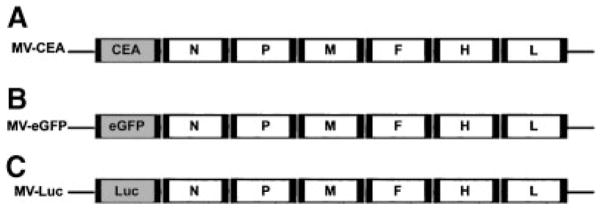
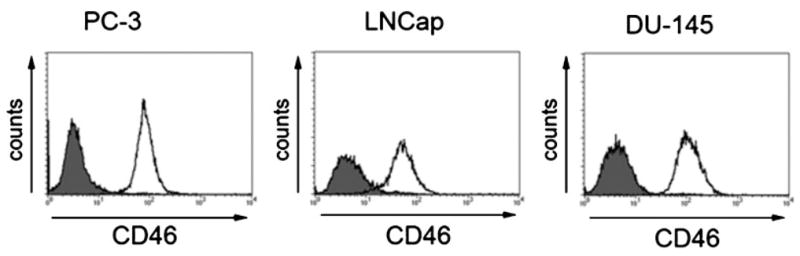
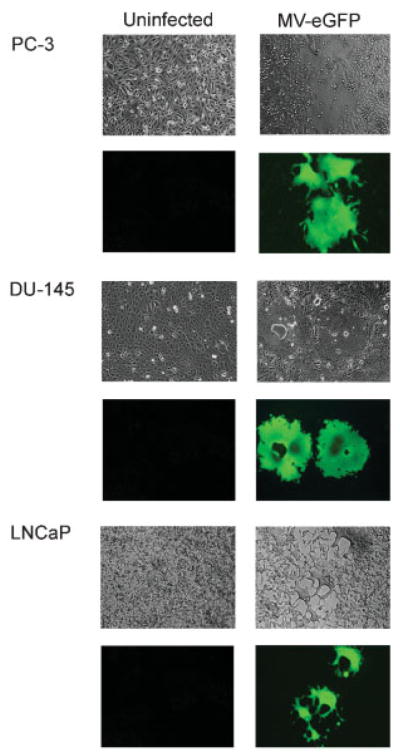
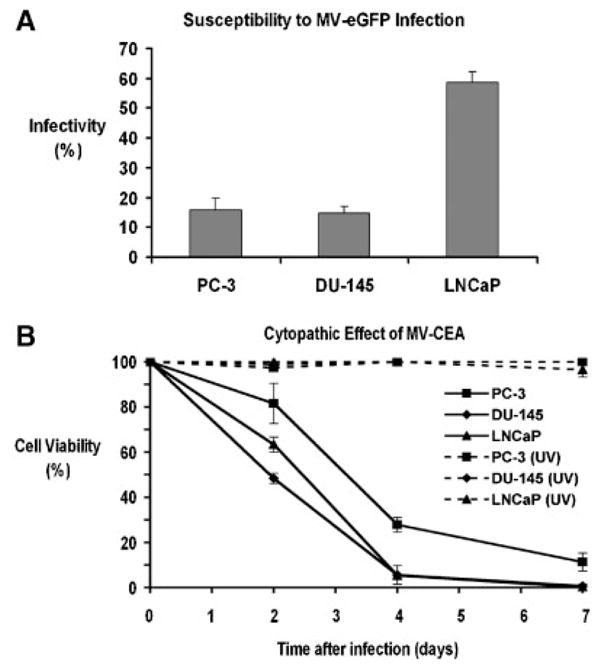
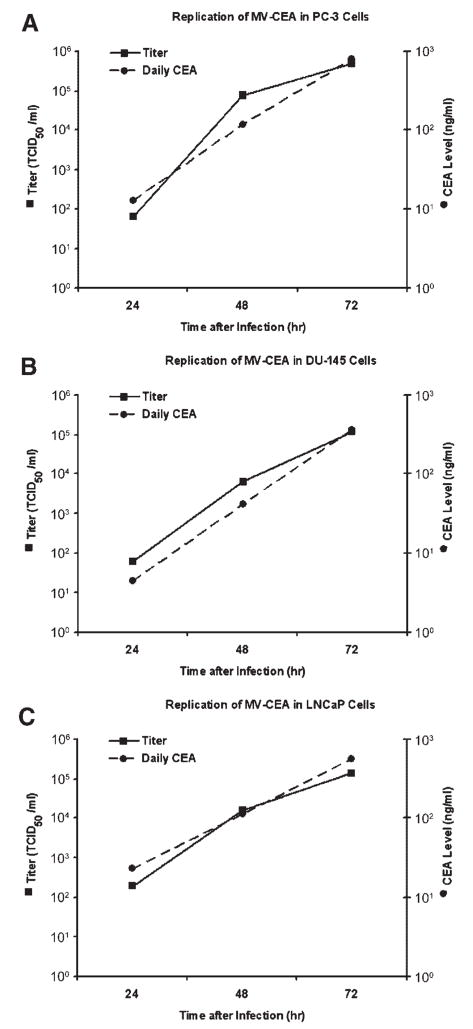
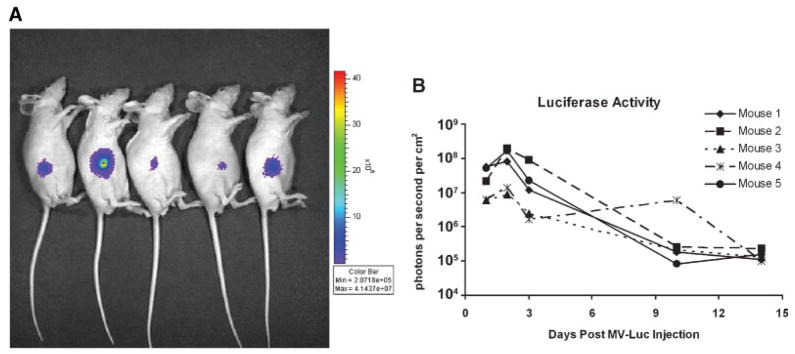
The susceptibility of prostate cancer cell lines (PC-3, DU-145, and LNCaP) to measles virus infection was demonstrated using an MV-Edm derivative expressing green fluorescent protein (GFP). MV-Edm replication in prostate cancer cell lines was assessed by one step viral growth curves. The oncolytic effect of an MV-Edm strain engineered to express the human carcinoembryonic antigen (CEA) was demonstrated in vitro by MTT assays and in vivo in subcutaneous PC-3 xenografts. CEA levels were quantitated in cell supernatants and mouse serum samples.
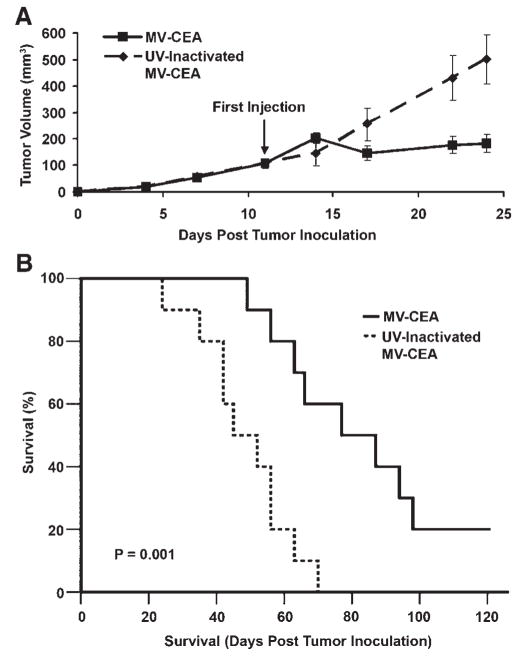
Recombinant MV-Edm strains can effectively infect, replicate in and kill prostate cancer cells. Intratumoral administration of MV-CEA at a total dose of 6 x 10(6) TCID50 resulted in statistically significant tumor growth delay (P = 0.004) and prolongation of survival (P = 0.001) in a subcutaneous PC-3 xenograft model. Viral growth kinetics paralleled CEA production.
MV-CEA has potent antitumor activity against prostate cancer cell lines and xenografts. Viral gene expression during treatment can be determined by monitoring of CEA levels in the serum; the latter could allow dose optimization and tailoring of individualized treatment protocols.
目前对于局部晚期或转移性前列腺癌尚无治愈性疗法。溶瘤病毒是一类新型治疗药物,与现有方法无交叉耐药性,因此可与传统治疗方式联合使用。源自埃德蒙斯顿麻疹病毒(MV-Edm)疫苗株的麻疹病毒毒株已显示出对多种实体瘤和血液系统恶性肿瘤具有显著的溶瘤活性。在本研究中,我们调查了重组MV-Edm衍生物作为新型溶瘤剂抗前列腺癌的潜力。
使用表达绿色荧光蛋白(GFP)的MV-Edm衍生物证明前列腺癌细胞系(PC-3、DU-145和LNCaP)对麻疹病毒感染的易感性。通过一步病毒生长曲线评估MV-Edm在前列腺癌细胞系中的复制情况。通过MTT法在体外以及在皮下PC-3异种移植瘤体内证明经基因工程改造以表达人癌胚抗原(CEA)的MV-Edm毒株的溶瘤作用。对细胞上清液和小鼠血清样本中的CEA水平进行定量。
重组MV-Edm毒株可有效感染前列腺癌细胞、在其中复制并杀死癌细胞。在皮下PC-3异种移植瘤模型中,瘤内给予总剂量为6×10⁶ TCID₅₀的MV-CEA导致肿瘤生长出现统计学上的显著延迟(P = 0.004)以及生存期延长(P = 0.001)。病毒生长动力学与CEA产生情况平行。
MV-CEA对前列腺癌细胞系和异种移植瘤具有强大的抗肿瘤活性。治疗期间的病毒基因表达可通过监测血清中的CEA水平来确定;后者可实现剂量优化并制定个体化治疗方案。