Kwon Se Hwan, Oh Joo Hyeong, Kim Hyoung Jung, Park Sun Jin, Park Ho Chul
Department of Diagnostic Radiology, Kyung Hee University Medical Center, Seoul, Korea.
Korean J Radiol. 2008 Nov-Dec;9(6):541-9. doi: 10.3348/kjr.2008.9.6.541.
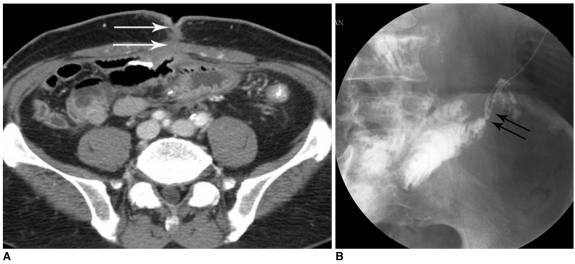
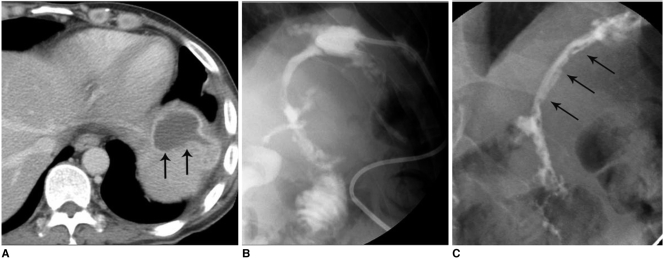
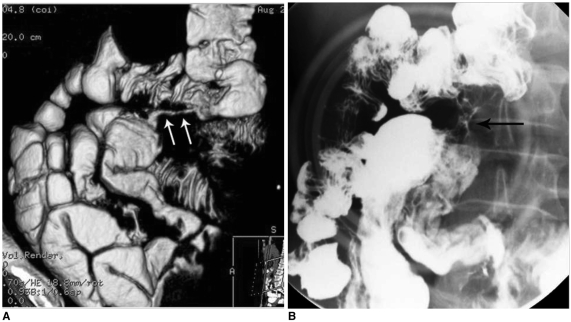
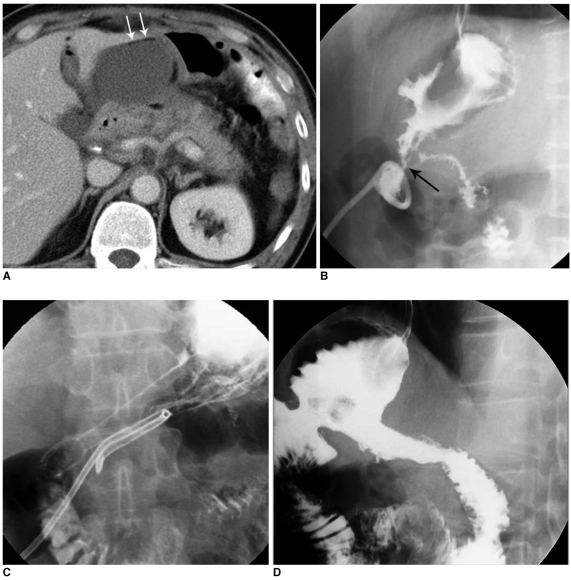
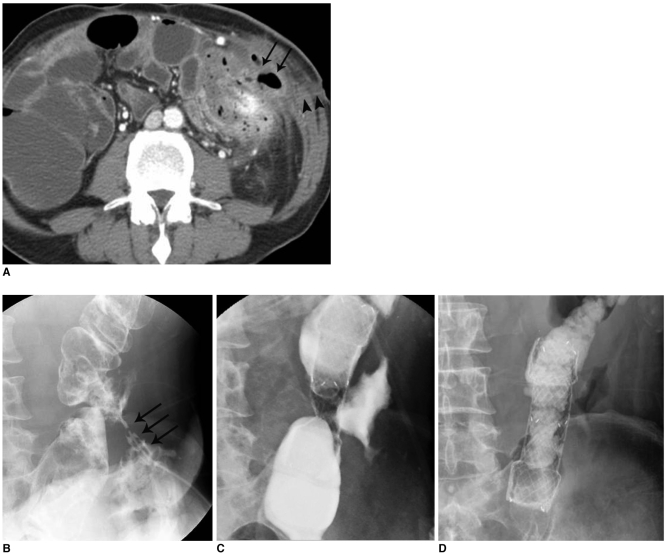
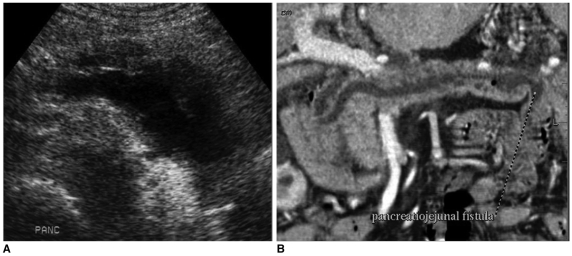
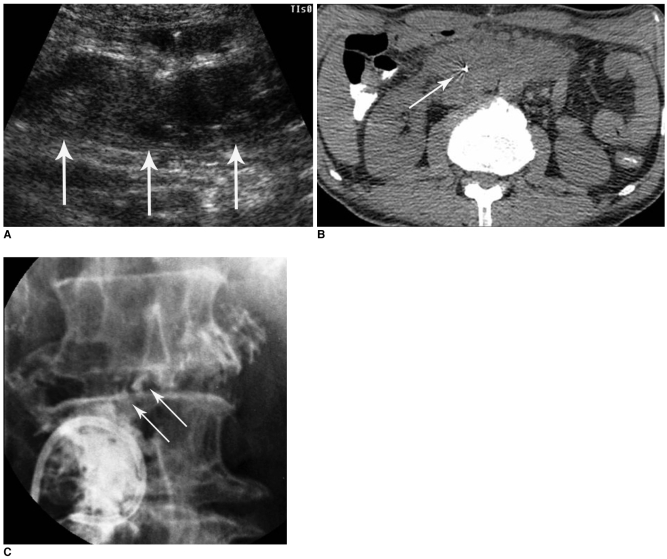
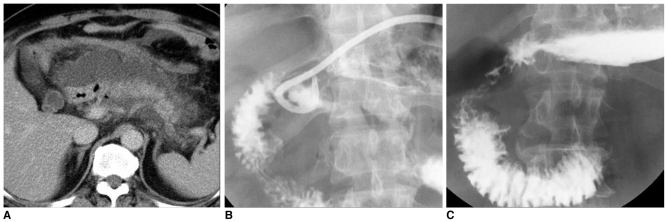
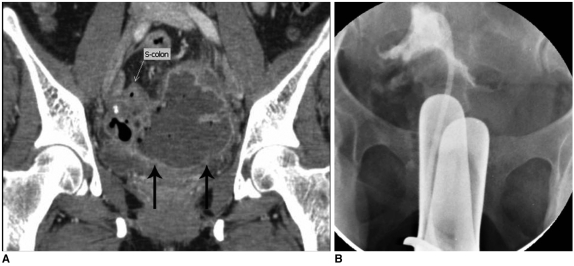
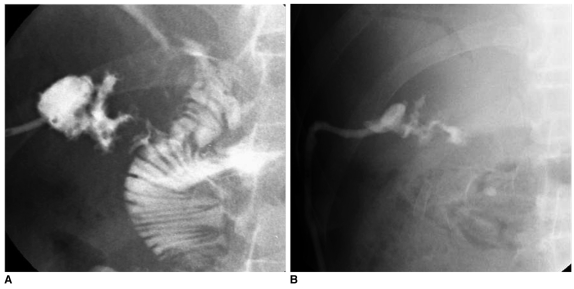
Gastrointestinal (GI) fistulas are frequently very serious complications that are associated with high morbidity and mortality. GI fistulas can cause a wide array of pathophysiological effects by allowing abnormal diversion of the GI contents, including digestive fluid, water, electrolytes, and nutrients, from either one intestine to another or from the intestine to the skin. As an alternative to surgery, recent technical advances in interventional radiology and percutaneous techniques have been shown as advantageous to lower the morbidity and mortality rate, and allow for superior accessibility to the fistulous tracts via the use of fistulography. In addition, new interventional management techniques continue to emerge. We describe the clinical and imaging features of GI fistulas and outline the interventional management of GI fistulas.
胃肠道瘘是常见的严重并发症,与高发病率和死亡率相关。胃肠道瘘可导致一系列病理生理效应,使包括消化液、水、电解质和营养物质在内的胃肠道内容物从一个肠段异常分流至另一个肠段或从肠道分流至皮肤。作为手术的替代方法,介入放射学和经皮技术的最新技术进展已显示出有利于降低发病率和死亡率,并通过瘘管造影术更易于进入瘘管。此外,新的介入治疗技术不断涌现。我们描述了胃肠道瘘的临床和影像学特征,并概述了胃肠道瘘的介入治疗。