Delgado Maria Florencia, Coviello Silvina, Monsalvo A Clara, Melendi Guillermina A, Hernandez Johanna Zea, Batalle Juan P, Diaz Leandro, Trento Alfonsina, Chang Herng-Yu, Mitzner Wayne, Ravetch Jeffrey, Melero José A, Irusta Pablo M, Polack Fernando P
INFANT Foundation, Gavilan 94, Buenos Aires, Argentina.
Nat Med. 2009 Jan;15(1):34-41. doi: 10.1038/nm.1894. Epub 2008 Dec 14.
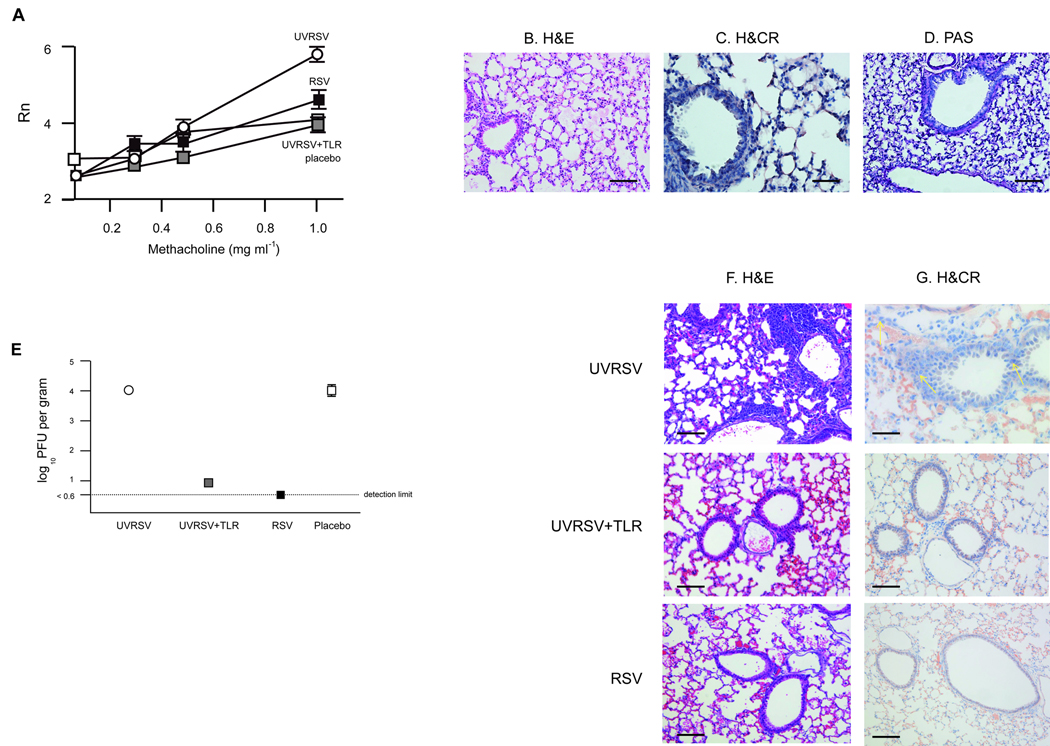
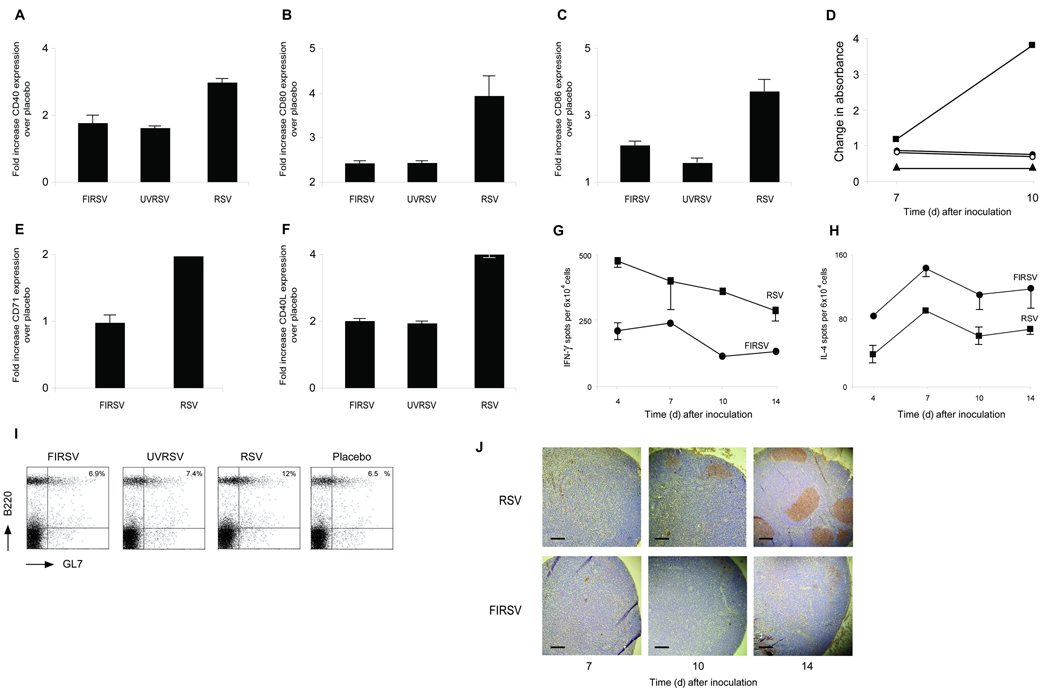
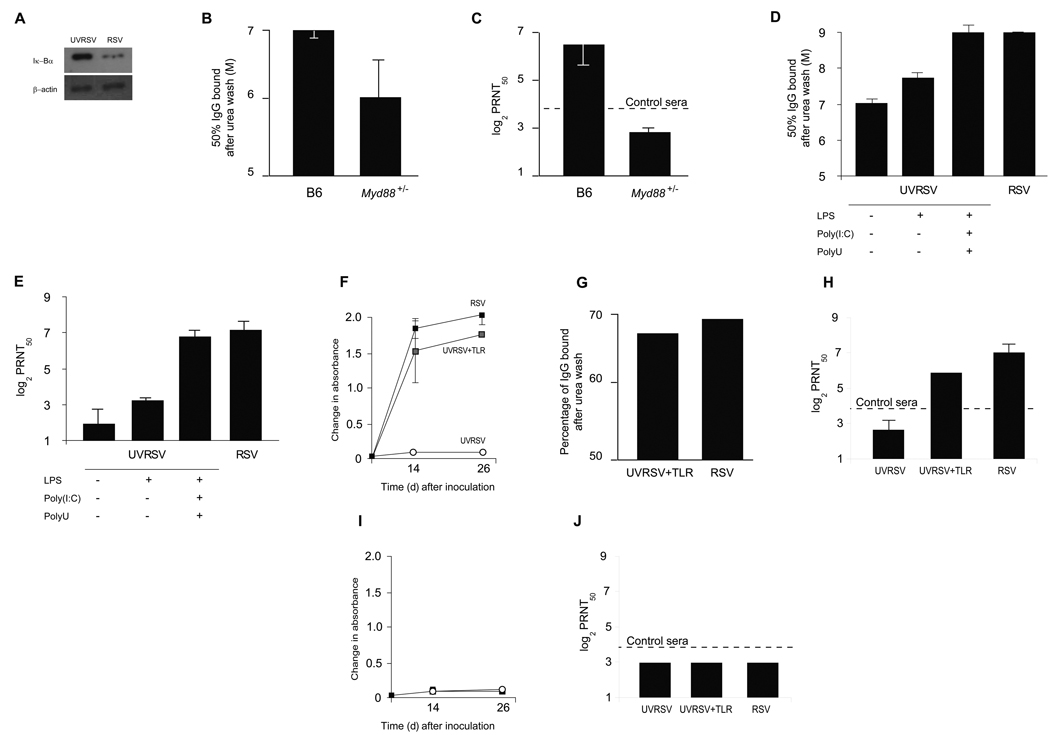
Respiratory syncytial virus (RSV) is a leading cause of hospitalization in infants. A formalin-inactivated RSV vaccine was used to immunize children and elicited nonprotective, pathogenic antibody. Immunized infants experienced increased morbidity after subsequent RSV exposure. No vaccine has been licensed since that time. A widely accepted hypothesis attributed the vaccine failure to formalin disruption of protective antigens. Here we show that the lack of protection was not due to alterations caused by formalin but instead to low antibody avidity for protective epitopes. Lack of antibody affinity maturation followed poor Toll-like receptor (TLR) stimulation. This study explains why the inactivated RSV vaccine did not protect the children and consequently led to severe disease, hampering vaccine development for 42 years. It also suggests that inactivated RSV vaccines may be rendered safe and effective by inclusion of TLR agonists in their formulation, and it identifies affinity maturation as a key factor for the safe immunization of infants.
呼吸道合胞病毒(RSV)是导致婴儿住院的主要原因。一种福尔马林灭活的RSV疫苗曾用于儿童免疫接种,并引发了非保护性的致病性抗体。接种疫苗的婴儿在随后接触RSV后发病率增加。自那时起,尚无疫苗获得许可。一个被广泛接受的假说是,疫苗失败归因于福尔马林对保护性抗原的破坏。在此我们表明,缺乏保护并非由于福尔马林引起的改变,而是由于抗体对保护性表位的亲和力低。缺乏抗体亲和力成熟是由于Toll样受体(TLR)刺激不足所致。本研究解释了为何灭活RSV疫苗未能保护儿童,从而导致严重疾病,阻碍了42年的疫苗研发。它还表明,在灭活RSV疫苗配方中加入TLR激动剂可能使其变得安全有效,并且它确定亲和力成熟是婴儿安全免疫的关键因素。