Reiner Robert, Krasnov-Yoeli Natalie, Dehtiar Yana, Jarrous Nayef
Department of Molecular Biology, The Hebrew University-Hadassah Medical School, Jerusalem, Israel.
PLoS One. 2008;3(12):e4072. doi: 10.1371/journal.pone.0004072. Epub 2008 Dec 30.
Human RNase P has been initially described as a tRNA processing enzyme, consisting of H1 RNA and at least ten distinct protein subunits. Recent findings, however, indicate that this catalytic ribonucleoprotein is also required for transcription of small noncoding RNA genes by RNA polymerase III (Pol III). Notably, subunits of human RNase P are localized in the nucleolus, thus raising the possibility that this ribonucleoprotein complex is implicated in transcription of rRNA genes by Pol I.
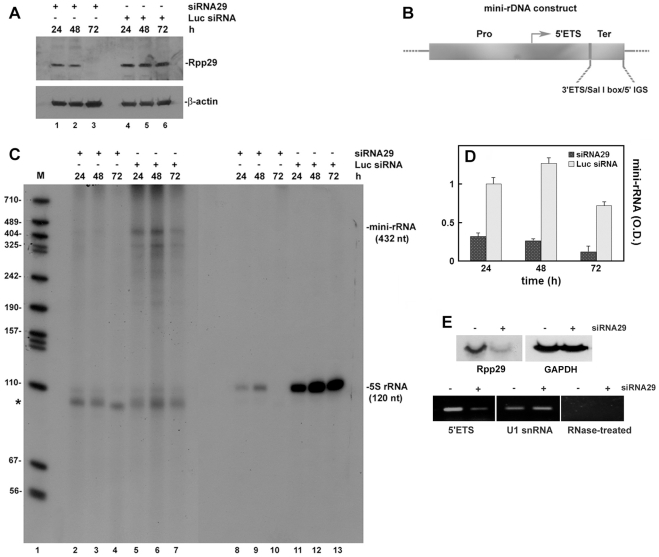
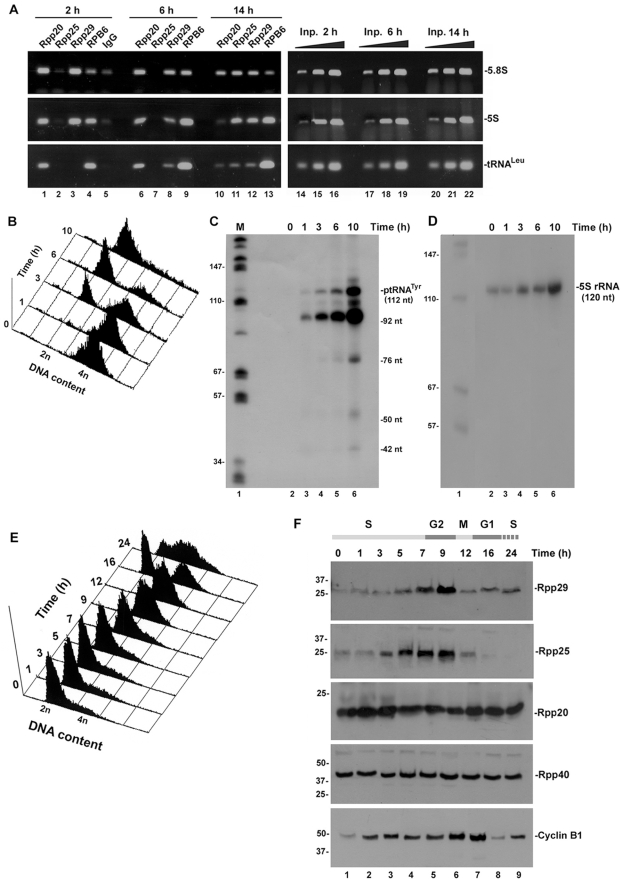
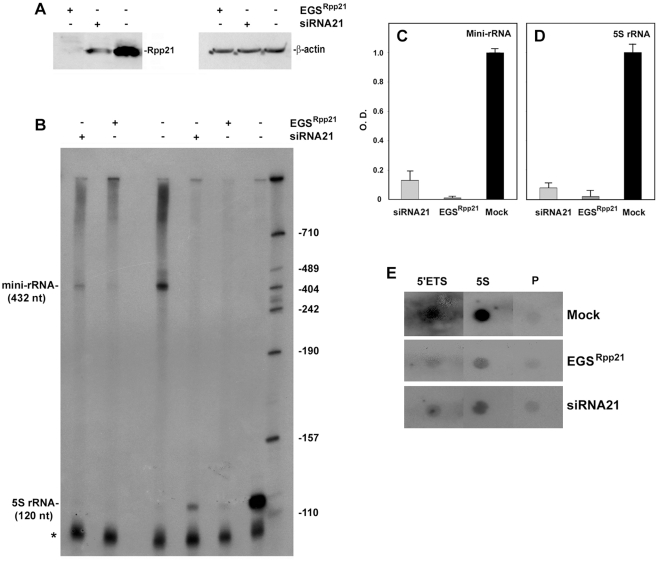
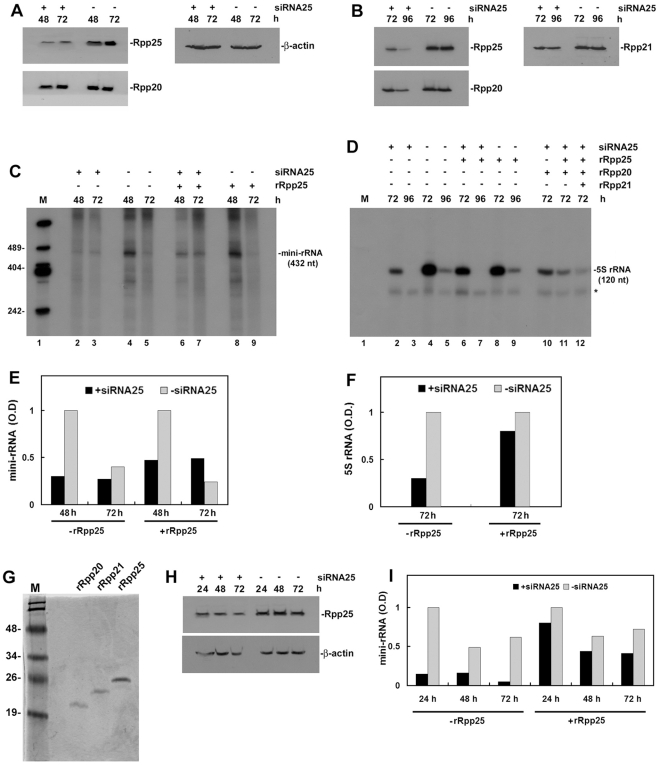
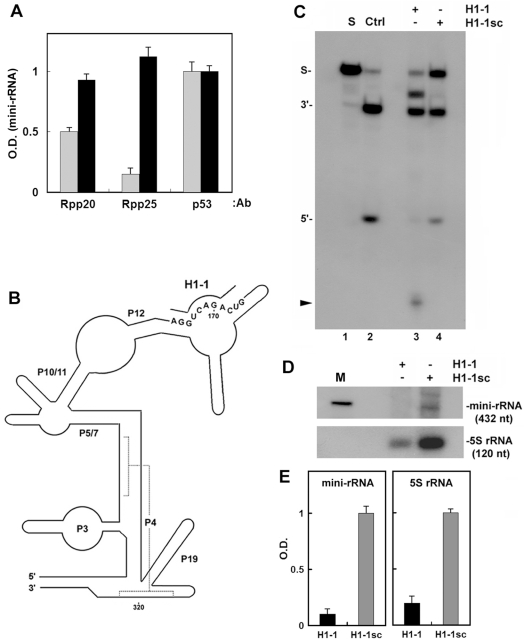
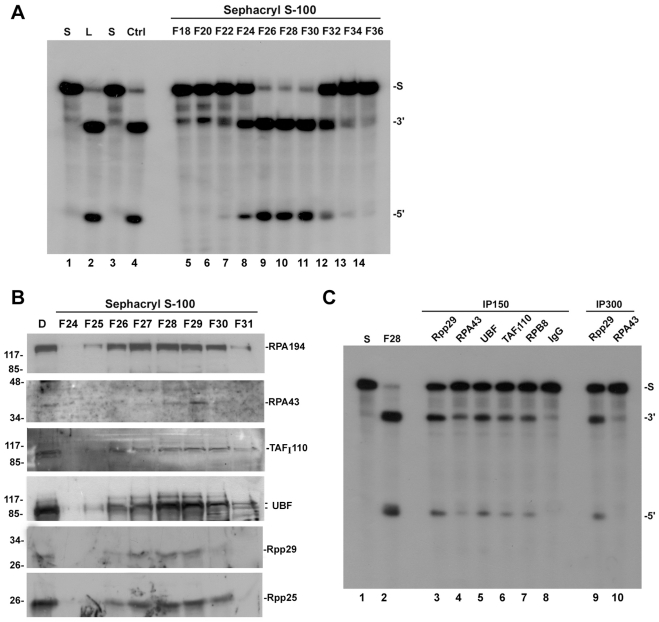
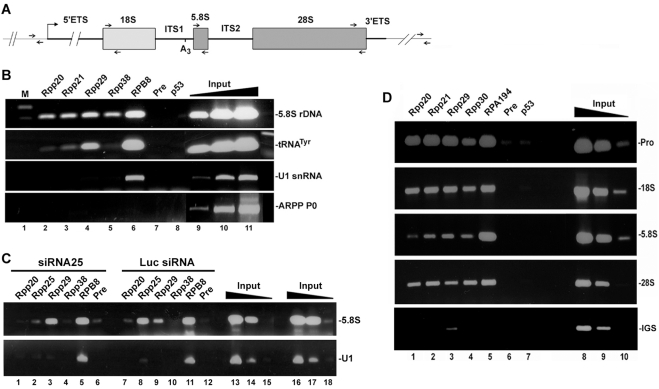
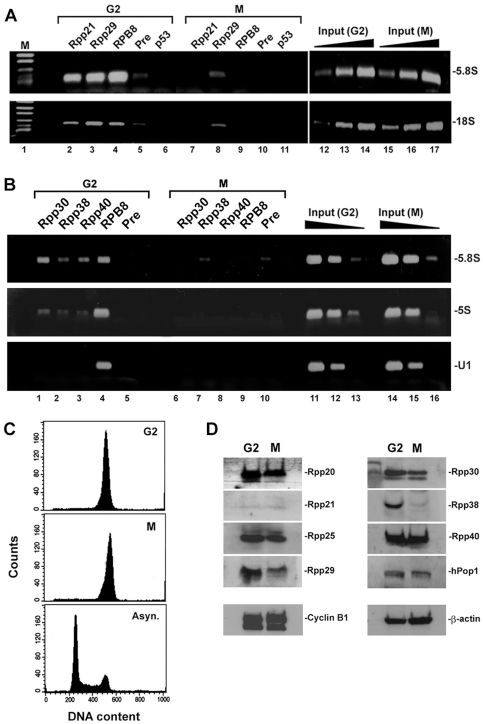
METHODOLOGY/PRINCIPAL FINDINGS: By using biochemical and reverse genetic means we show here that human RNase P is required for efficient transcription of rDNA by Pol I. Thus, inactivation of RNase P by targeting its protein subunits for destruction by RNA interference or its H1 RNA moiety for specific cleavage causes marked reduction in transcription of rDNA by Pol I. However, RNase P restores Pol I transcription in a defined reconstitution system. Nuclear run on assays reveal that inactivation of RNase P reduces the level of nascent transcription by Pol I, and more considerably that of Pol III. Moreover, RNase P copurifies and associates with components of Pol I and its transcription factors and binds to chromatin of the promoter and coding region of rDNA. Strikingly, RNase P detaches from transcriptionally inactive rDNA in mitosis and reassociates with it at G1 phase through a dynamic and stepwise assembly process that is correlated with renewal of transcription.
CONCLUSIONS/SIGNIFICANCE: Our findings reveal that RNase P activates transcription of rDNA by Pol I through a novel assembly process and that this catalytic ribonucleoprotein determines the transcription output of Pol I and Pol III, two functionally coordinated transcription machineries.
人核糖核酸酶P最初被描述为一种tRNA加工酶,由H1 RNA和至少十个不同的蛋白质亚基组成。然而,最近的研究结果表明,这种催化性核糖核蛋白对于RNA聚合酶III(Pol III)转录小非编码RNA基因也是必需的。值得注意的是,人核糖核酸酶P的亚基定位于核仁,因此增加了这种核糖核蛋白复合物参与Pol I转录rRNA基因的可能性。
方法/主要发现:通过生化和反向遗传学方法,我们在此表明人核糖核酸酶P是Pol I高效转录rDNA所必需的。因此,通过RNA干扰靶向其蛋白质亚基进行破坏或靶向其H1 RNA部分进行特异性切割来使核糖核酸酶P失活,会导致Pol I转录rDNA显著减少。然而,核糖核酸酶P在一个明确的重组系统中可恢复Pol I转录。细胞核运行分析表明,核糖核酸酶P失活会降低Pol I新生转录水平,更显著的是降低Pol III的新生转录水平。此外,核糖核酸酶P与Pol I及其转录因子的成分共纯化并结合,并与rDNA启动子和编码区的染色质结合。令人惊讶的是,核糖核酸酶P在有丝分裂时从转录不活跃的rDNA上分离,并在G1期通过一个与转录恢复相关的动态且逐步的组装过程重新与其结合。
结论/意义:我们的研究结果表明,核糖核酸酶P通过一种新的组装过程激活Pol I对rDNA的转录,并且这种催化性核糖核蛋白决定了Pol I和Pol III这两个功能协调的转录机制的转录输出。