Smith Jeramiah J, Putta Srikrishna, Zhu Wei, Pao Gerald M, Verma Inder M, Hunter Tony, Bryant Susan V, Gardiner David M, Harkins Timothy T, Voss S Randal
Department of Biology and Spinal Cord and Brain Injury Research Center, University of Kentucky, Lexington, KY 40506, USA.
BMC Genomics. 2009 Jan 13;10:19. doi: 10.1186/1471-2164-10-19.
The basis of genome size variation remains an outstanding question because DNA sequence data are lacking for organisms with large genomes. Sixteen BAC clones from the Mexican axolotl (Ambystoma mexicanum: c-value = 32 x 10(9) bp) were isolated and sequenced to characterize the structure of genic regions.
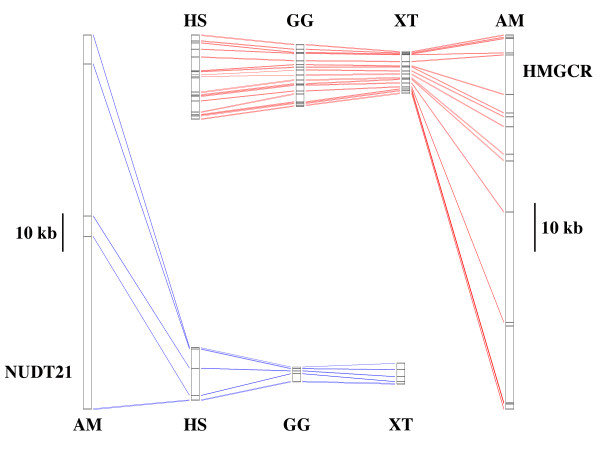
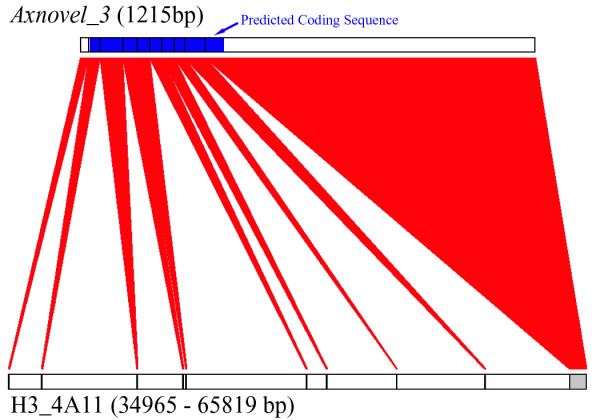
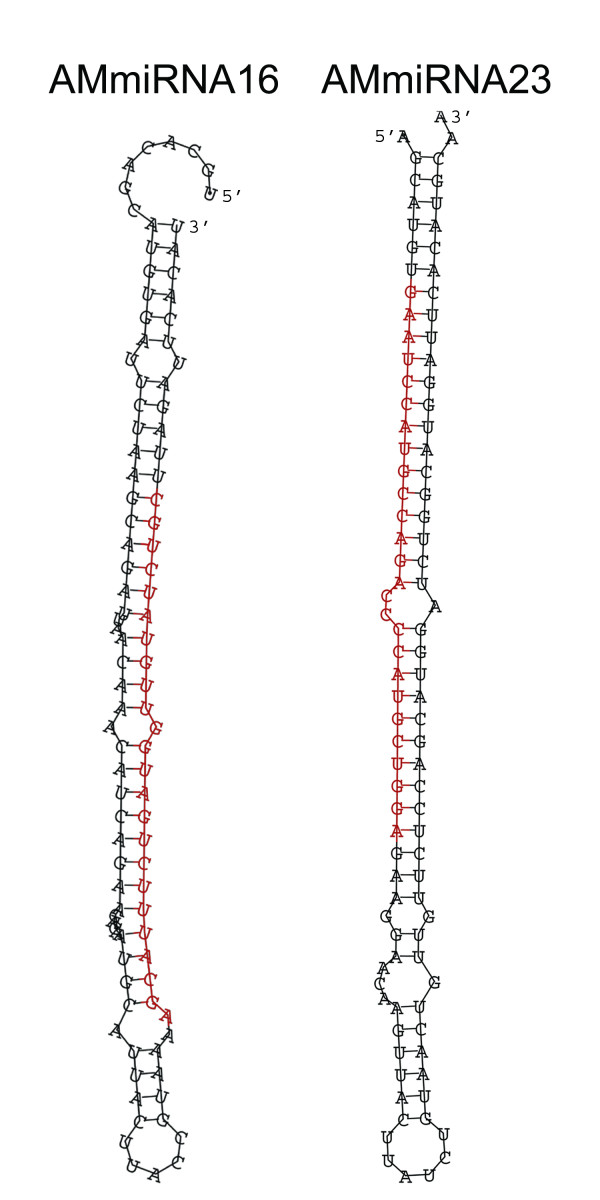
Annotation of genes within BACs showed that axolotl introns are on average 10x longer than orthologous vertebrate introns and they are predicted to contain more functional elements, including miRNAs and snoRNAs. Loci were discovered within BACs for two novel EST transcripts that are differentially expressed during spinal cord regeneration and skin metamorphosis. Unexpectedly, a third novel gene was also discovered while manually annotating BACs. Analysis of human-axolotl protein-coding sequences suggests there are 2% more lineage specific genes in the axolotl genome than the human genome, but the great majority (86%) of genes between axolotl and human are predicted to be 1:1 orthologs. Considering that axolotl genes are on average 5x larger than human genes, the genic component of the salamander genome is estimated to be incredibly large, approximately 2.8 gigabases!
This study shows that a large salamander genome has a correspondingly large genic component, primarily because genes have incredibly long introns. These intronic sequences may harbor novel coding and non-coding sequences that regulate biological processes that are unique to salamanders.
由于缺乏大基因组生物的DNA序列数据,基因组大小变异的基础仍然是一个悬而未决的问题。从墨西哥钝口螈(美西钝口螈:c值 = 32×10⁹ bp)中分离出16个BAC克隆并进行测序,以表征基因区域的结构。
BAC内基因的注释表明,钝口螈内含子平均比直系同源脊椎动物内含子长10倍,预计它们包含更多功能元件,包括miRNA和snoRNA。在BAC内发现了两个新的EST转录本的基因座,它们在脊髓再生和皮肤变态过程中差异表达。出乎意料的是,在手动注释BAC时还发现了第三个新基因。对人-钝口螈蛋白质编码序列的分析表明,钝口螈基因组中的谱系特异性基因比人类基因组多2%,但钝口螈和人类之间绝大多数(86%)的基因预计是1:1的直系同源物。考虑到钝口螈基因平均比人类基因大5倍,蝾螈基因组的基因成分估计非常大,约为2.8千兆碱基!
这项研究表明,大型蝾螈基因组具有相应较大的基因成分,主要是因为基因具有非常长的内含子。这些内含子序列可能含有新的编码和非编码序列,这些序列调节蝾螈特有的生物学过程。