Rau Vinuta, Oh Irene, Laster Michael, Eger Edmond I, Fanselow Michael S
Department of Anesthesia and Perioperative Care, University of California, San Francisco, California 94143-0464, USA.
Anesthesiology. 2009 Mar;110(3):487-95. doi: 10.1097/ALN.0b013e3181974f3e.
A minority of patients who experience awareness and/or pain during surgery subsequently develop post-traumatic stress disorder. In a rodent model of post-traumatic stress disorder, stress-enhanced fear learning (SEFL), rats are preexposed to a stressor of 15 foot shocks. Subsequent exposure to a single foot shock produces an enhanced fear response. This effect is akin to sensitized reactions shown by some post-traumatic stress disorder patients to cues previously associated with the traumatic event.
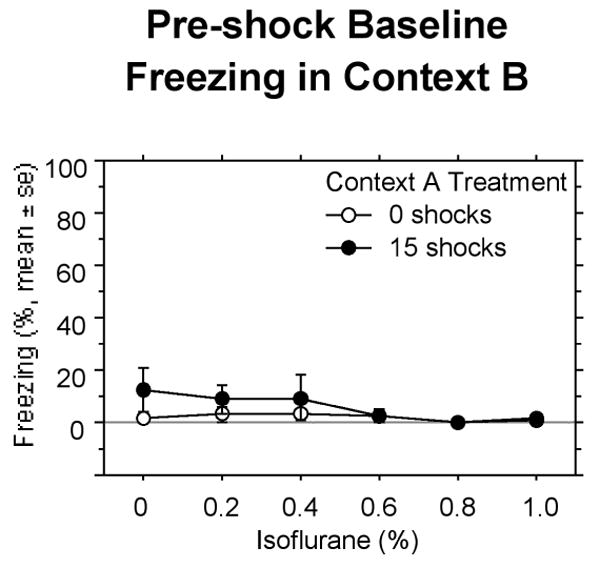
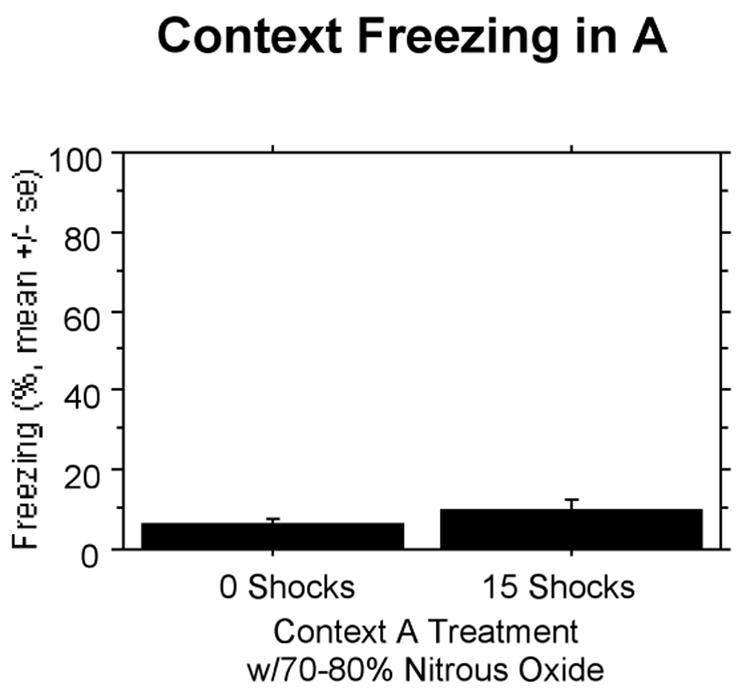
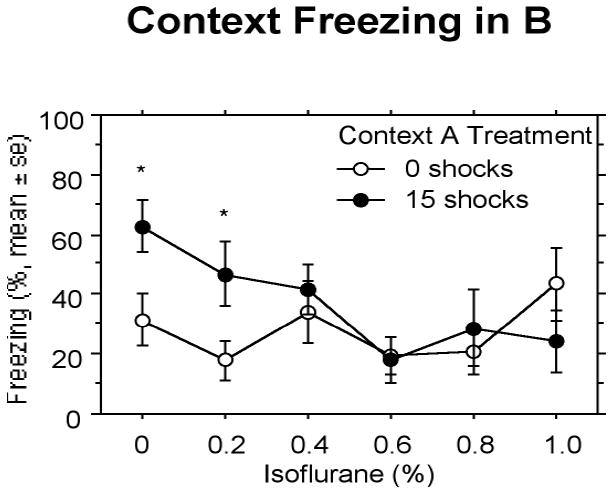
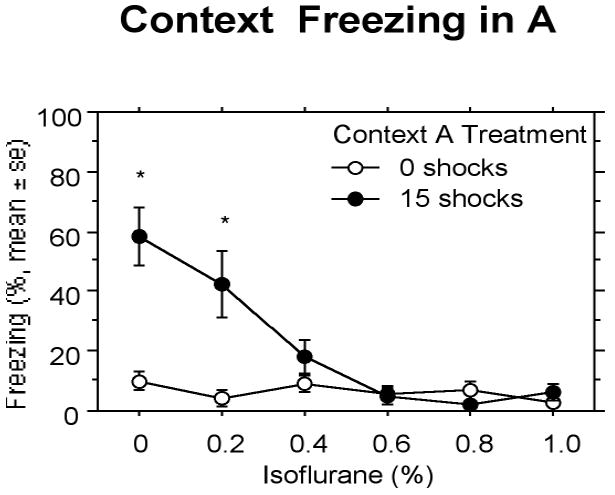
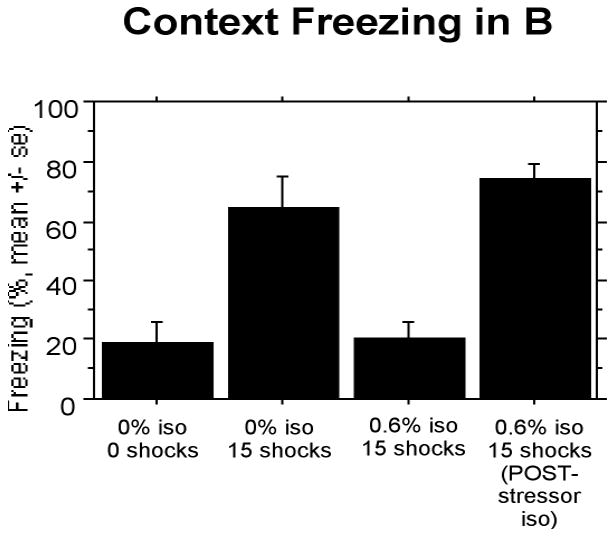
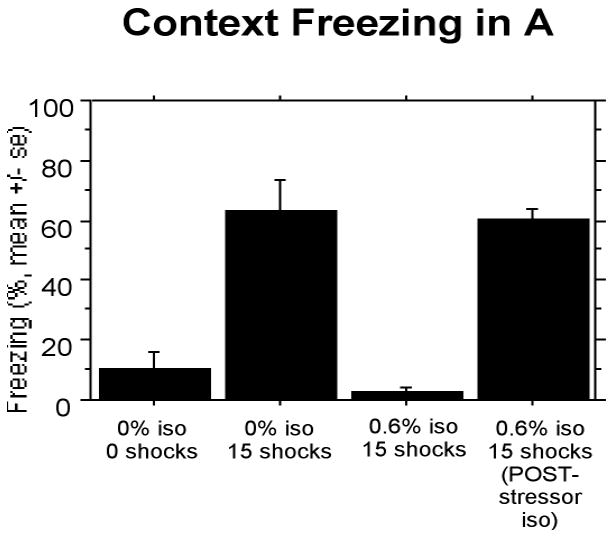
The authors studied the effect of isoflurane and nitrous oxide on SEFL. Rats were exposed to the inhaled anesthetic during or after a 15-foot shock stressor. Then, rats were given a single foot shock in a different environment. Their fear response was quantified in response to the 15-foot shock and single-foot shock environments. SEFL longevity was tested by placing a 90-day period between the 15 foot shocks and the single foot shock. In addition, the intensity of the foot shock was increased to evaluate treatment effectiveness.
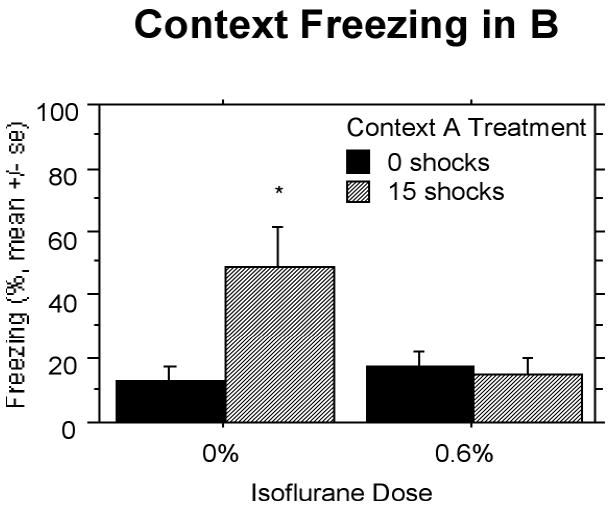
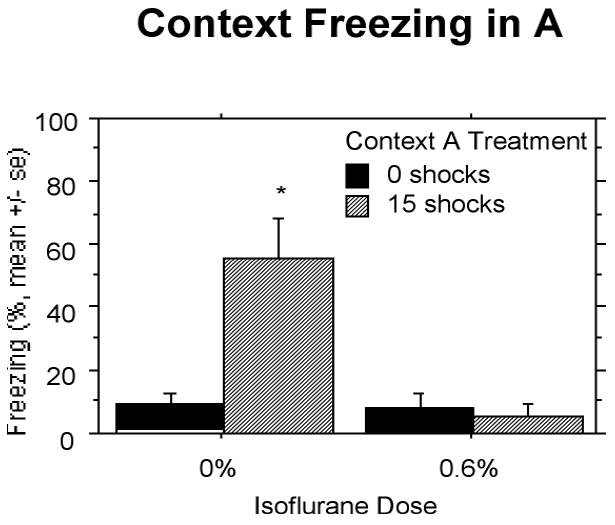
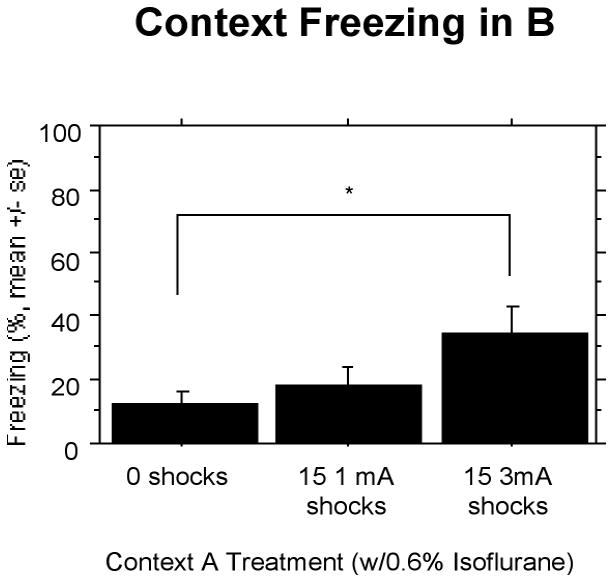
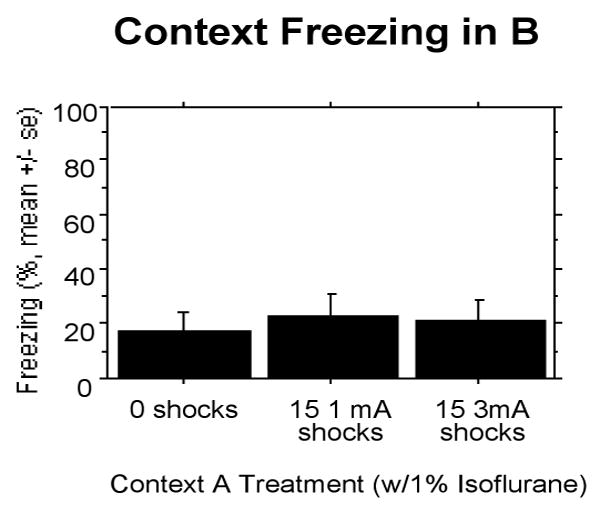
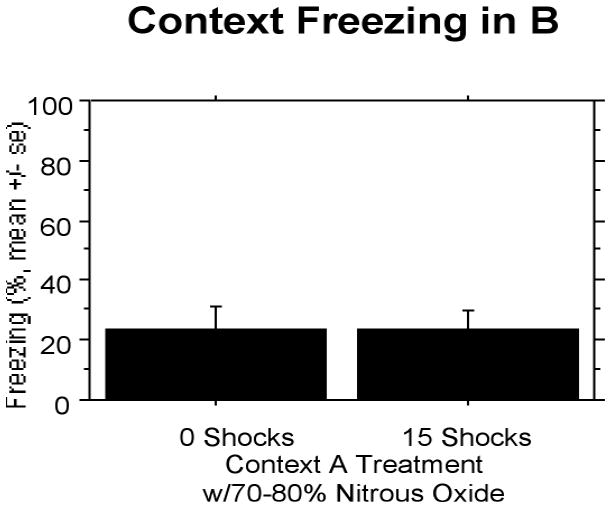
Increasing isoflurane concentrations decreased SEFL when given during, but not after, the stressor. At 0.40 minimum alveolar concentration (MAC), isoflurane given during the stressor blocked SEFL 90 days later. A threefold increase in the stressor intensity increased the isoflurane concentration required to block SEFL to no more than 0.67 MAC. As with isoflurane, nitrous oxide suppressed SEFL at a similar MAC fraction.
These results suggest that sufficient concentrations (perhaps 0.67 MAC or less) of an inhaled anesthetic may prevent SEFL.
少数在手术过程中经历过知晓和/或疼痛的患者随后会患上创伤后应激障碍。在创伤后应激障碍的啮齿动物模型——应激增强恐惧学习(SEFL)中,大鼠预先暴露于15次足部电击的应激源下。随后暴露于单次足部电击会产生增强的恐惧反应。这种效应类似于一些创伤后应激障碍患者对先前与创伤事件相关的线索所表现出的致敏反应。
作者研究了异氟烷和氧化亚氮对SEFL的影响。大鼠在15次足部电击应激源施加期间或之后暴露于吸入麻醉剂。然后,在不同环境中给大鼠单次足部电击。对它们在15次足部电击和单次足部电击环境中的恐惧反应进行量化。通过在15次足部电击和单次足部电击之间设置90天的间隔来测试SEFL的持续时间。此外,增加足部电击的强度以评估治疗效果。
在应激源施加期间给予异氟烷时,增加其浓度会降低SEFL,但在应激源施加之后给予则不会。在0.40最低肺泡浓度(MAC)时,在应激源施加期间给予的异氟烷在90天后阻断了SEFL。应激源强度增加三倍会使阻断SEFL所需的异氟烷浓度增加至不超过0.67 MAC。与异氟烷一样,氧化亚氮在相似的MAC分数下抑制SEFL。
这些结果表明,吸入麻醉剂的足够浓度(可能为0.67 MAC或更低)可能会预防SEFL。