Cerundolo Rosario, Michel Kathy E, Court Michael H, Shrestha Binu, Refsal Kent R, Oliver Jack W, Biourge Vincent, Shofer Frances S
Department of Clinical Studies, University of Pennsylvania, Philadelphia, PA 19104, USA.
Am J Vet Res. 2009 Mar;70(3):353-60. doi: 10.2460/ajvr.70.3.353.
To evaluate the effect of a soy-based diet on general health and adrenocortical and thyroid gland function in dogs. Animals-20 healthy privately owned adult dogs.
In a randomized controlled clinical trial, dogs were fed a soy-based diet with high (HID; n = 10) or low (LID; 10) isoflavones content. General health of dogs, clinicopathologic variables, and serum concentrations of adrenal gland and thyroid gland hormones were assessed before treatment was initiated and up to 1 year later. Differences between groups with respect to changes in the values of variables after treatment were assessed by means of a Student t test (2 time points) and repeated-measures ANOVA (3 time points).
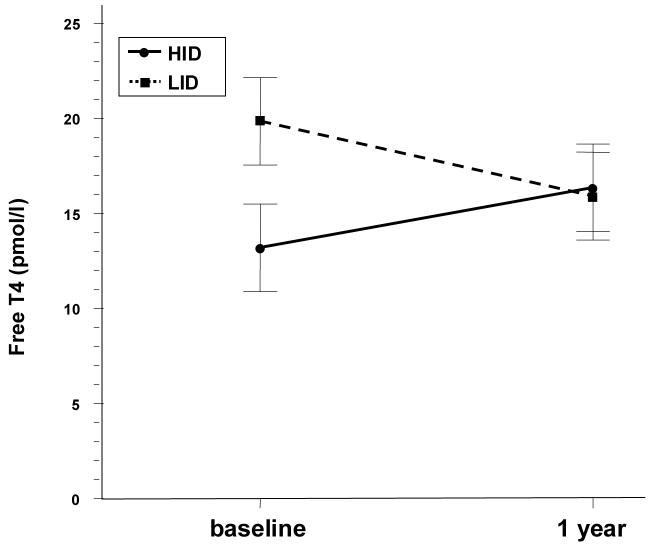
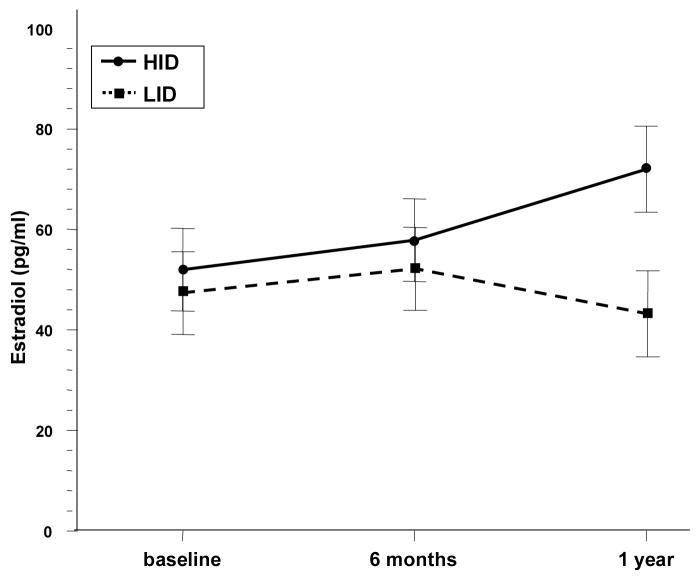
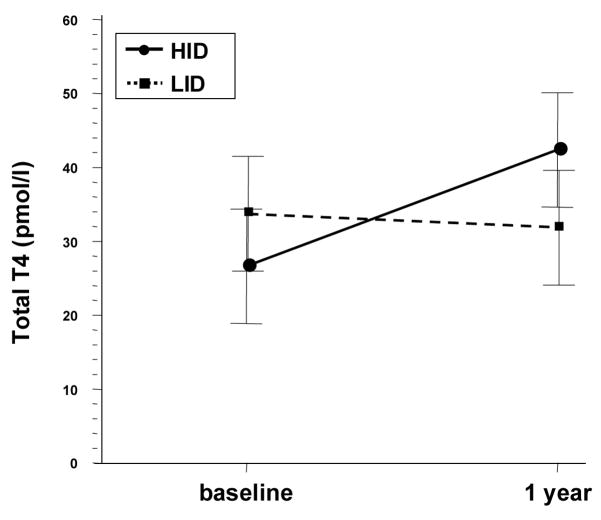
No differences were detected between the 2 groups with respect to body condition and results of hematologic, serum biochemical, and urine analyses. Most serum concentrations of hormones did not change significantly after treatment, nor were they affected by diet. However, the mean change in serum concentration of total thyroxine was higher in the HID group (15.7 pmol/L) than that in the LID group (-1.9 pmol/L). The mean change in estradiol concentration after ACTH stimulation at 1 year after diets began was also higher in the HID group (19.0 pg/mL) than that in the LID group (-5.6 pg/mL).
Phytoestrogens may influence endocrine function in dogs. Feeding soy to dogs on a long-term basis may influence results of studies in which endocrine function is evaluated, although larger studies are needed to confirm this supposition.
评估以大豆为基础的饮食对犬类总体健康以及肾上腺和甲状腺功能的影响。动物——20只健康的私人饲养成年犬。
在一项随机对照临床试验中,给犬喂食异黄酮含量高(高异黄酮饮食组;n = 10)或低(低异黄酮饮食组;10)的大豆基饮食。在开始治疗前及治疗后长达1年的时间里,评估犬的总体健康状况、临床病理变量以及肾上腺和甲状腺激素的血清浓度。通过学生t检验(2个时间点)和重复测量方差分析(3个时间点)评估治疗后两组变量值变化的差异。
两组在身体状况以及血液学、血清生化和尿液分析结果方面未检测到差异。大多数激素的血清浓度在治疗后没有显著变化,也不受饮食影响。然而,高异黄酮饮食组总甲状腺素血清浓度的平均变化(15.7 pmol/L)高于低异黄酮饮食组(-1.9 pmol/L)。饮食开始1年后促肾上腺皮质激素刺激后雌二醇浓度的平均变化在高异黄酮饮食组(19.0 pg/mL)也高于低异黄酮饮食组(-5.6 pg/mL)。
植物雌激素可能影响犬的内分泌功能。长期给犬喂食大豆可能会影响评估内分泌功能的研究结果,尽管需要更大规模的研究来证实这一推测。