Fiskus Warren, Buckley Kate, Rao Rekha, Mandawat Aditya, Yang Yonghua, Joshi Rajeshree, Wang Yongchao, Balusu Ramesh, Chen Jianguang, Koul Sanjay, Joshi Atul, Upadhyay Sunil, Atadja Peter, Bhalla Kapil N
MCG Cancer Center, Medical College of Georgia, Augusta, GA 30912, USA.
Cancer Biol Ther. 2009 May;8(10):939-50. doi: 10.4161/cbt.8.10.8213. Epub 2009 May 18.
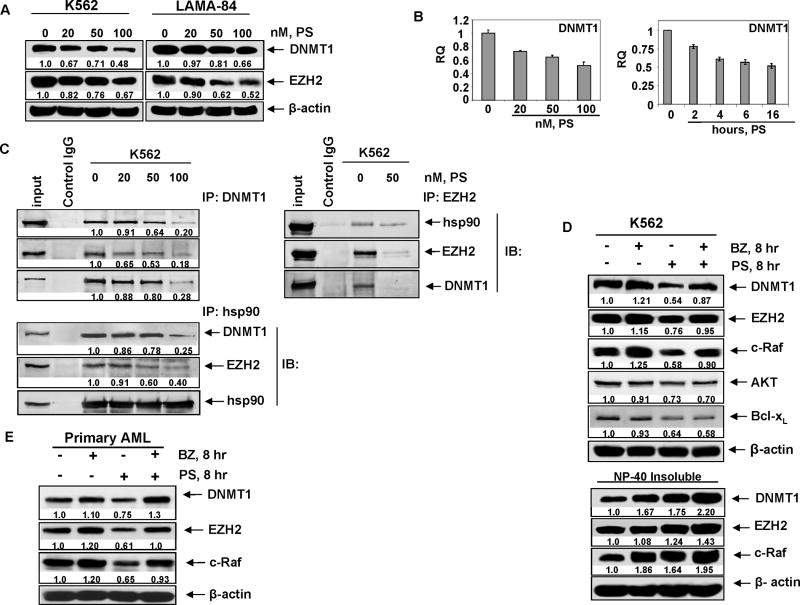
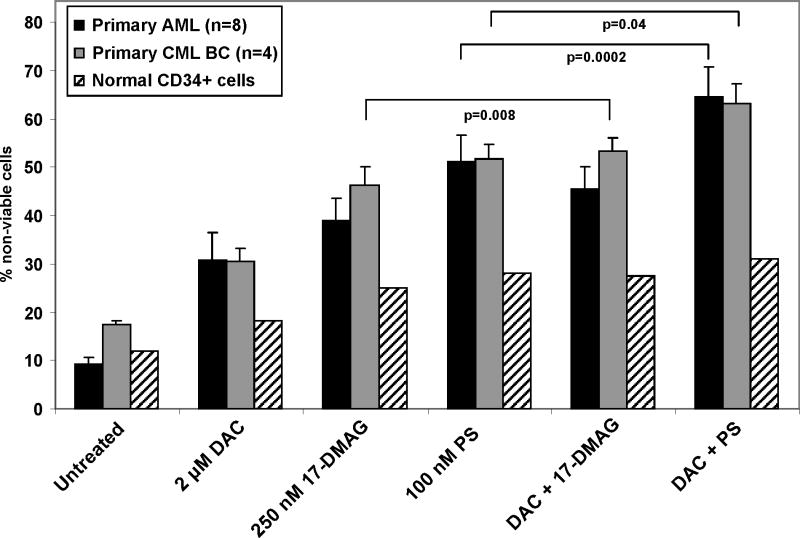
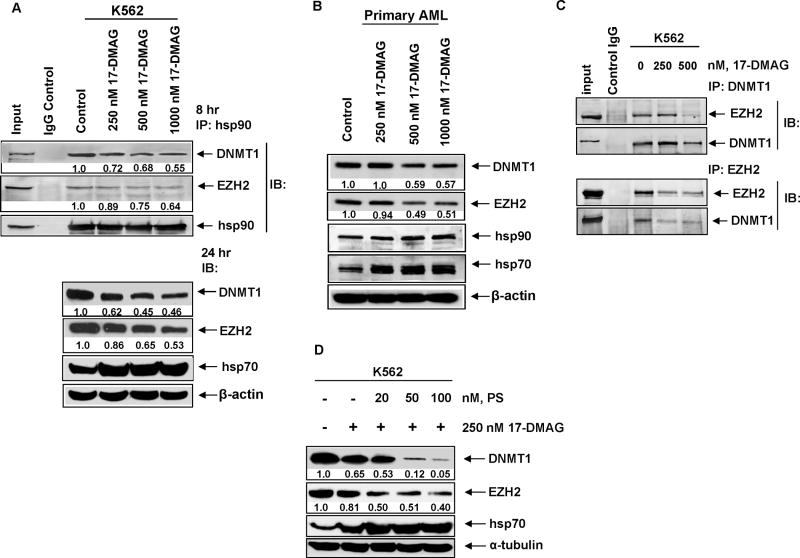
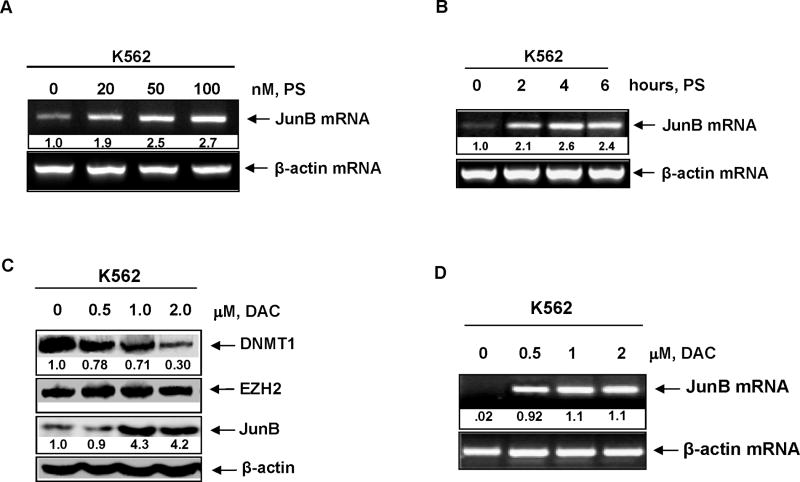
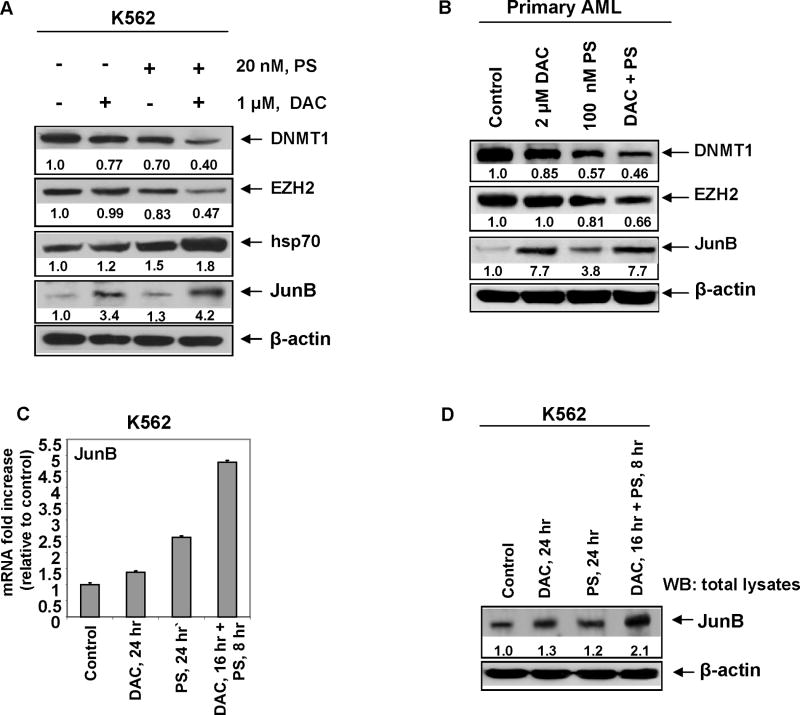
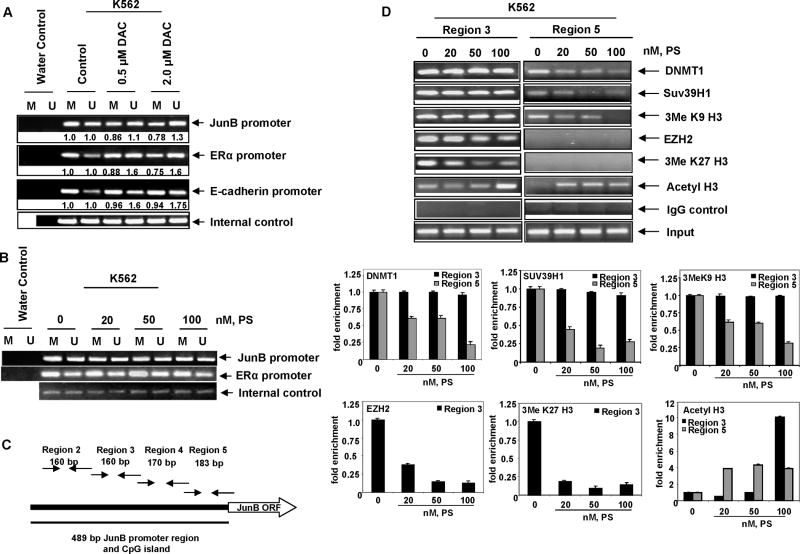
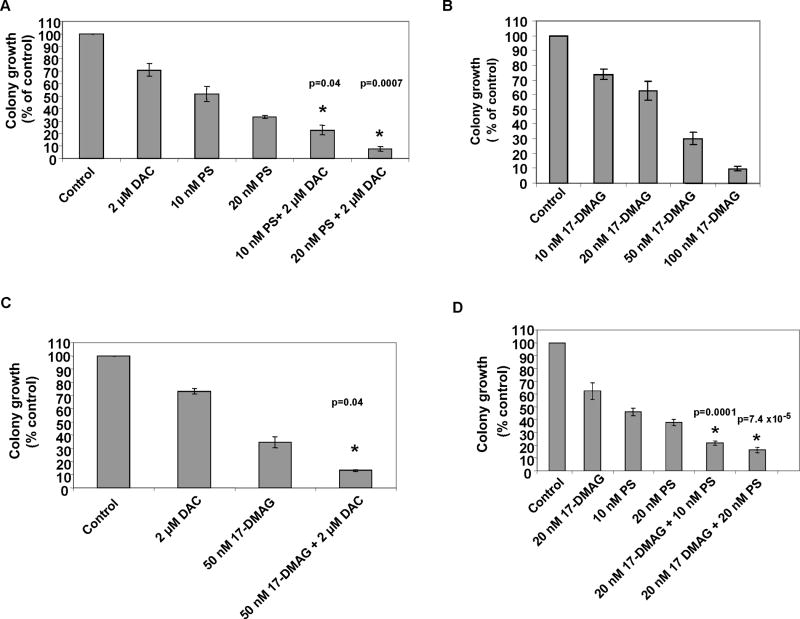
The PRC2 complex protein EZH2 is a histone methyltransferase that is known to bind and recruit DNMT1 to the DNA to modulate DNA methylation. Here, we determined that the pan-HDAC inhibitor panobinostat (LBH589) treatment depletes DNMT1 and EZH2 protein levels, disrupts the interaction of DNMT1 with EZH2, as well as de-represses JunB in human acute leukemia cells. Similar to treatment with the hsp90 inhibitor 17-DMAG, treatment with panobinostat also inhibited the chaperone association of heat shock protein 90 with DNMT1 and EZH2, which promoted the proteasomal degradation of DNMT1 and EZH2. Unlike treatment with the DNA methyltransferase inhibitor decitabine, which demethylates JunB promoter DNA, panobinostat treatment mediated chromatin alterations in the JunB promoter. Combined treatment with panobinostat and decitabine caused greater attenuation of DNMT1 and EZH2 levels than either agent alone, which was accompanied by more JunB de-repression and loss of clonogenic survival of K562 cells. Co-treatment with panobinostat and decitabine also caused more loss of viability of primary AML but not normal CD34(+) bone marrow progenitor cells. Collectively, these findings indicate that co-treatment with panobinostat and decitabine targets multiple epigenetic mechanisms to de-repress JunB and exerts antileukemia activity against human acute myeloid leukemia cells.
PRC2复合物蛋白EZH2是一种组蛋白甲基转移酶,已知其可与DNA结合并募集DNMT1以调节DNA甲基化。在此,我们确定,泛HDAC抑制剂帕比司他(LBH589)处理可降低DNMT1和EZH2蛋白水平,破坏DNMT1与EZH2的相互作用,并在人急性白血病细胞中解除对JunB的抑制。与hsp90抑制剂17-DMAG处理相似,帕比司他处理也抑制了热休克蛋白90与DNMT1和EZH2的伴侣蛋白结合,从而促进了DNMT1和EZH2的蛋白酶体降解。与DNA甲基转移酶抑制剂地西他滨处理不同,地西他滨可使JunB启动子DNA去甲基化,而帕比司他处理介导了JunB启动子中的染色质改变。帕比司他与地西他滨联合处理导致DNMT1和EZH2水平的降低幅度大于单独使用任何一种药物,这伴随着更多的JunB去抑制以及K562细胞克隆形成存活能力的丧失。帕比司他与地西他滨联合处理还导致原发性AML细胞活力的更多丧失,但对正常CD34(+)骨髓祖细胞无影响。总体而言,这些发现表明,帕比司他与地西他滨联合处理靶向多种表观遗传机制以解除对JunB的抑制,并对人急性髓性白血病细胞发挥抗白血病活性。