Institute of Microbial Technology, Sector 39A, Chandigarh, 160036, India.
Microb Cell Fact. 2009 Mar 11;8:16. doi: 10.1186/1475-2859-8-16.
Microorganisms have devised ways by which they increase the bioavailability of many water immiscible substrates whose degradation rates are limited by their low water solubility. Hexadecane is one such water immiscible hydrocarbon substrate which forms an important constituent of oil. One major mechanism employed by hydrocarbon degrading organisms to utilize such substrates is the production of biosurfactants. However, much of the overall mechanism by which such organisms utilize hydrocarbon substrate still remains a mystery.
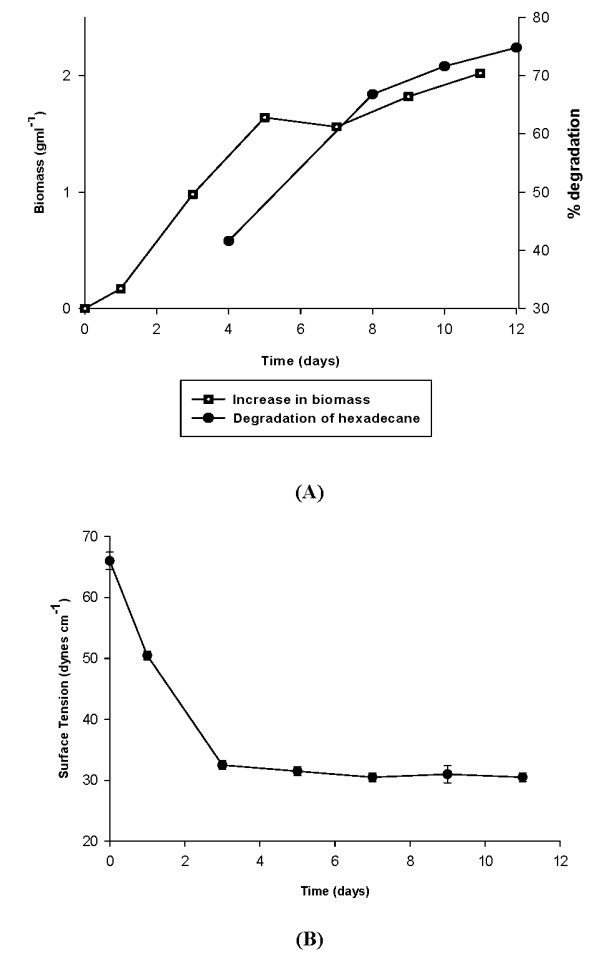
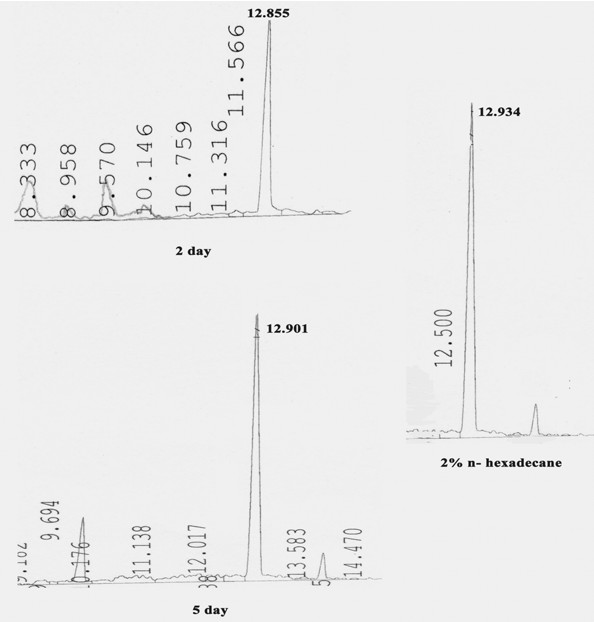
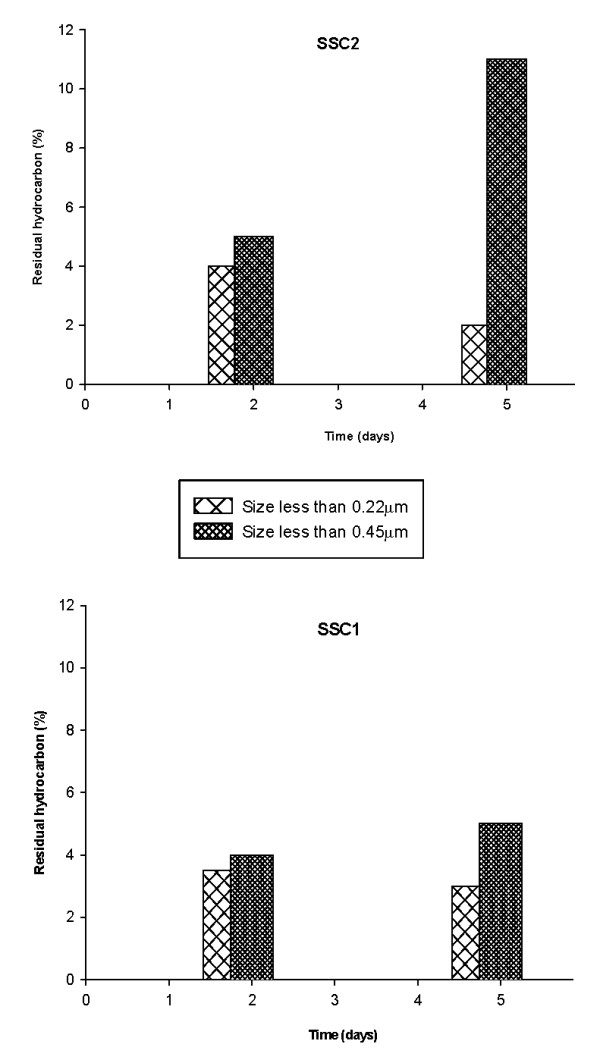
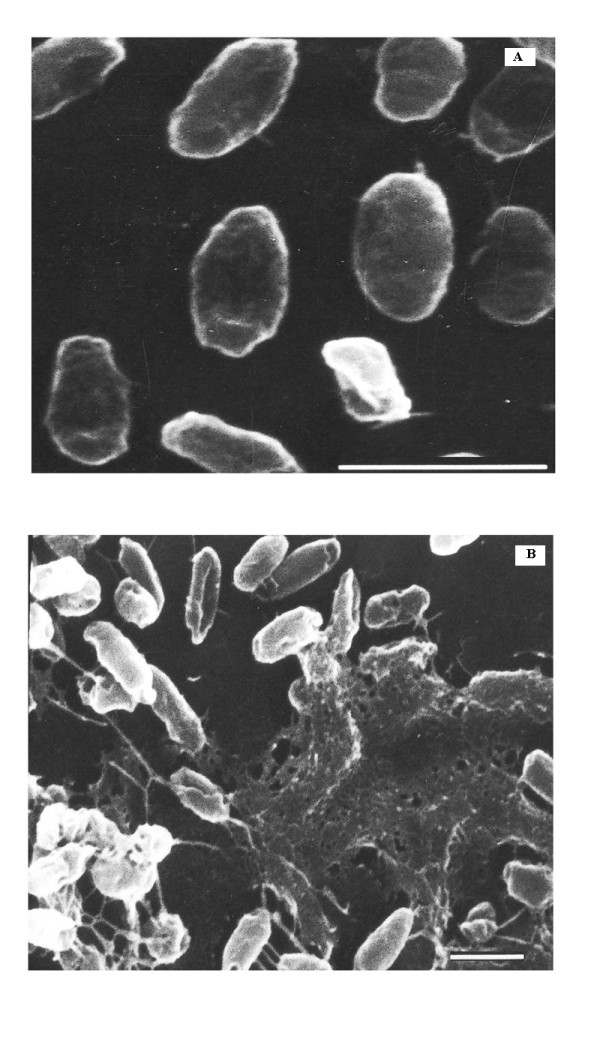
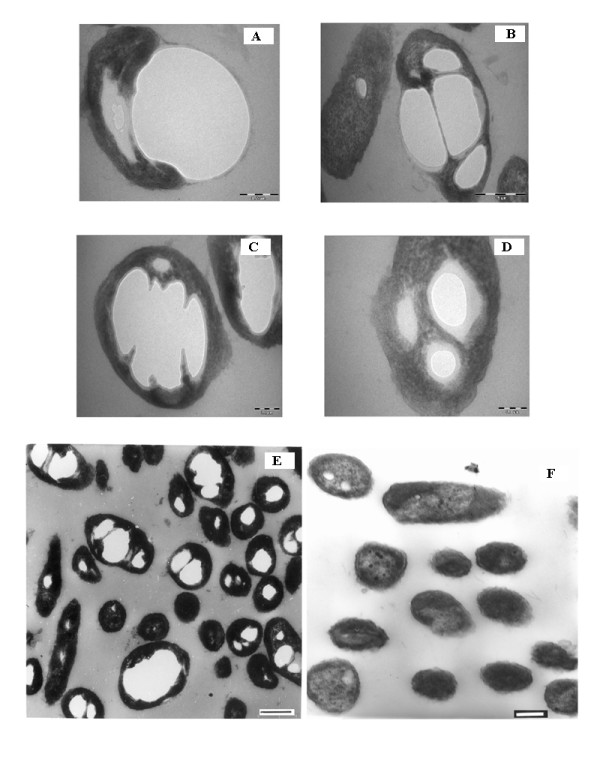
With an aim to gain more insight into hydrocarbon uptake mechanism, an efficient biosurfactant producing and n-hexadecane utilizing Pseudomonas sp was isolated from oil contaminated soil which was found to produce rhamnolipid type of biosurfactant containing a total of 13 congeners. Biosurfactant action brought about the dispersion of hexadecane to droplets smaller than 0.22 mum increasing the availability of the hydrocarbon to the degrading organism. Involvement of biosurfactant was further confirmed by electron microscopic studies. Biosurfactant formed an emulsion with hexadecane thereby facilitating increased contact between hydrocarbon and the degrading bacteria. Interestingly, it was observed that "internalization" of "biosurfactant layered hydrocarbon droplet" was taking place suggesting a mechanism similar in appearance to active pinocytosis, a fact not earlier visually reported in bacterial systems for hydrocarbon uptake.
This study throws more light on the uptake mechanism of hydrocarbon by Pseudomonas aeruginosa. We report here a new and exciting line of research for hydrocarbon uptake involving internalization of biosurfactant covered hydrocarbon inside cell for subsequent breakdown.
微生物已经设计出了多种方法来提高许多水不混溶基质的生物利用度,这些基质的降解速率受到其低水溶性的限制。十六烷烃就是这样一种水不混溶的碳氢化合物基质,它是石油的重要组成部分。碳氢化合物降解生物利用此类基质的主要机制之一是产生生物表面活性剂。然而,此类生物利用碳氢化合物基质的整体机制在很大程度上仍然是一个谜。
为了更深入地了解碳氢化合物吸收机制,从受石油污染的土壤中分离出了一种能够高效产生生物表面活性剂并利用正十六烷的假单胞菌,该菌产生的生物表面活性剂为鼠李糖脂型,共包含 13 种同系物。生物表面活性剂的作用使十六烷烃分散成直径小于 0.22 微米的液滴,从而增加了碳氢化合物对降解生物的可利用性。电子显微镜研究进一步证实了生物表面活性剂的参与。生物表面活性剂与十六烷烃形成乳状液,从而增加了碳氢化合物与降解细菌之间的接触。有趣的是,观察到“生物表面活性剂层状碳氢化合物液滴”的“内化”现象,这表明一种类似于主动胞饮作用的机制,这一事实在以前的细菌系统中尚未观察到,也没有用于碳氢化合物的摄取。
本研究进一步阐明了铜绿假单胞菌对碳氢化合物的吸收机制。我们在这里报告了一个新的、令人兴奋的碳氢化合物吸收研究方向,涉及将生物表面活性剂覆盖的碳氢化合物内化到细胞内,以便随后进行分解。