Kong Qiongman, Peterson Troy S, Baker Olga, Stanley Emily, Camden Jean, Seye Cheikh I, Erb Laurie, Simonyi Agnes, Wood W Gibson, Sun Grace Y, Weisman Gary A
Interdisciplinary Neuroscience Program, University of Missouri, Columbia, Missouri, USA.
J Neurochem. 2009 Jun;109(5):1300-10. doi: 10.1111/j.1471-4159.2009.06048.x. Epub 2009 Mar 20.
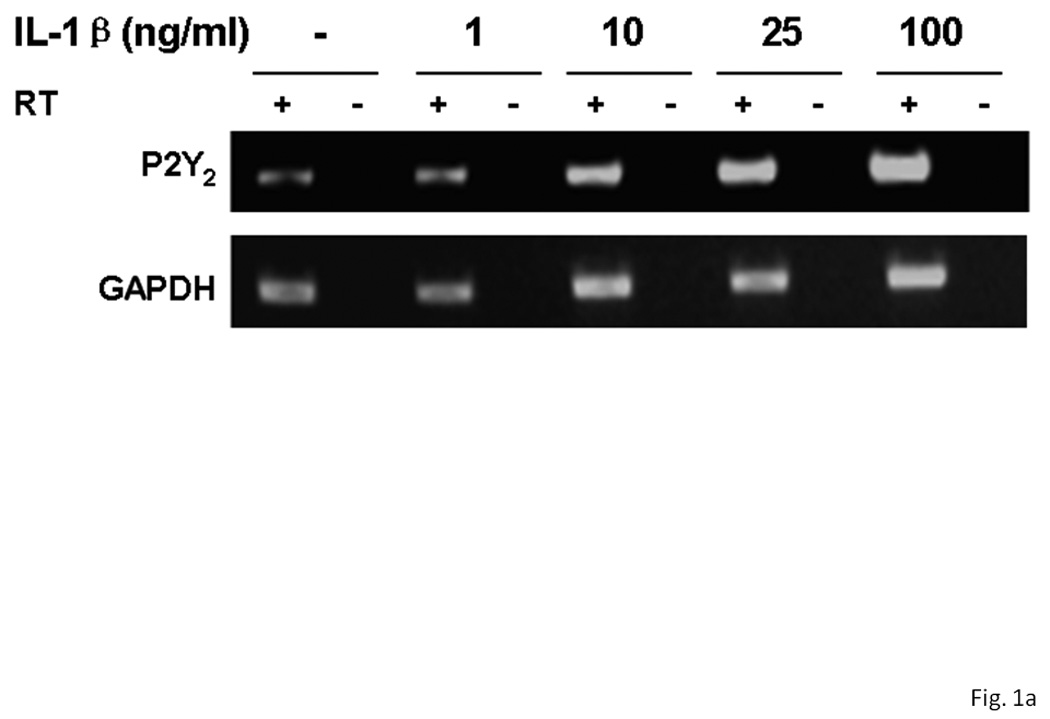
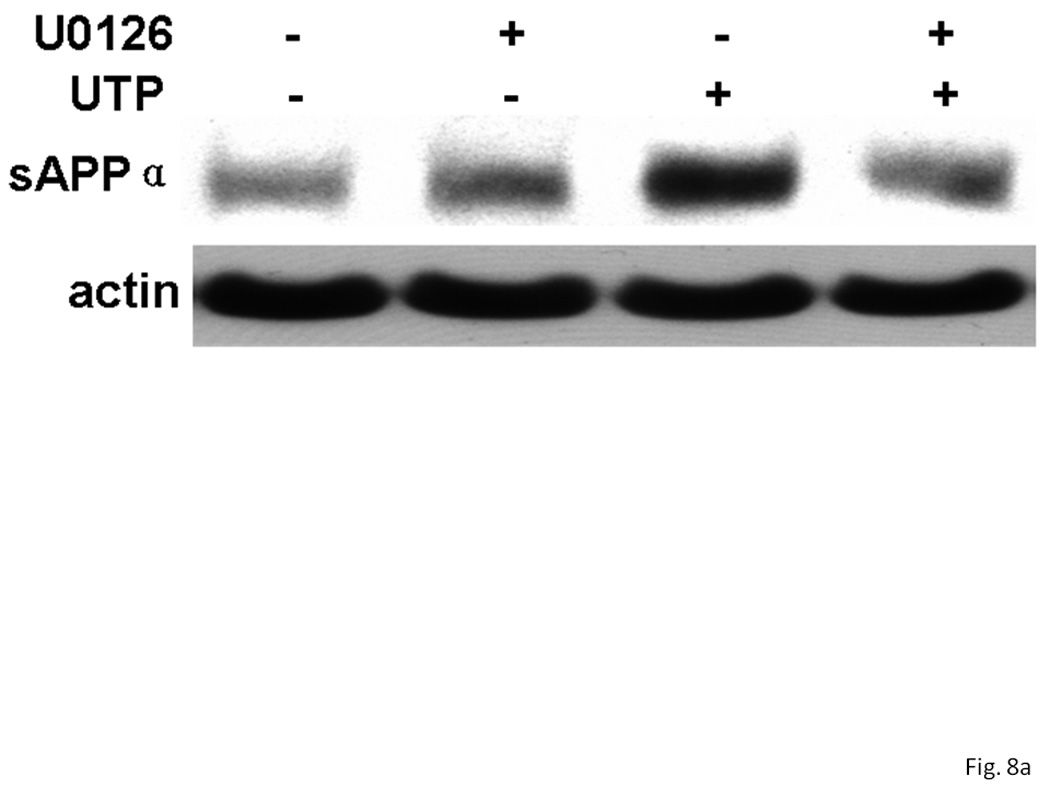
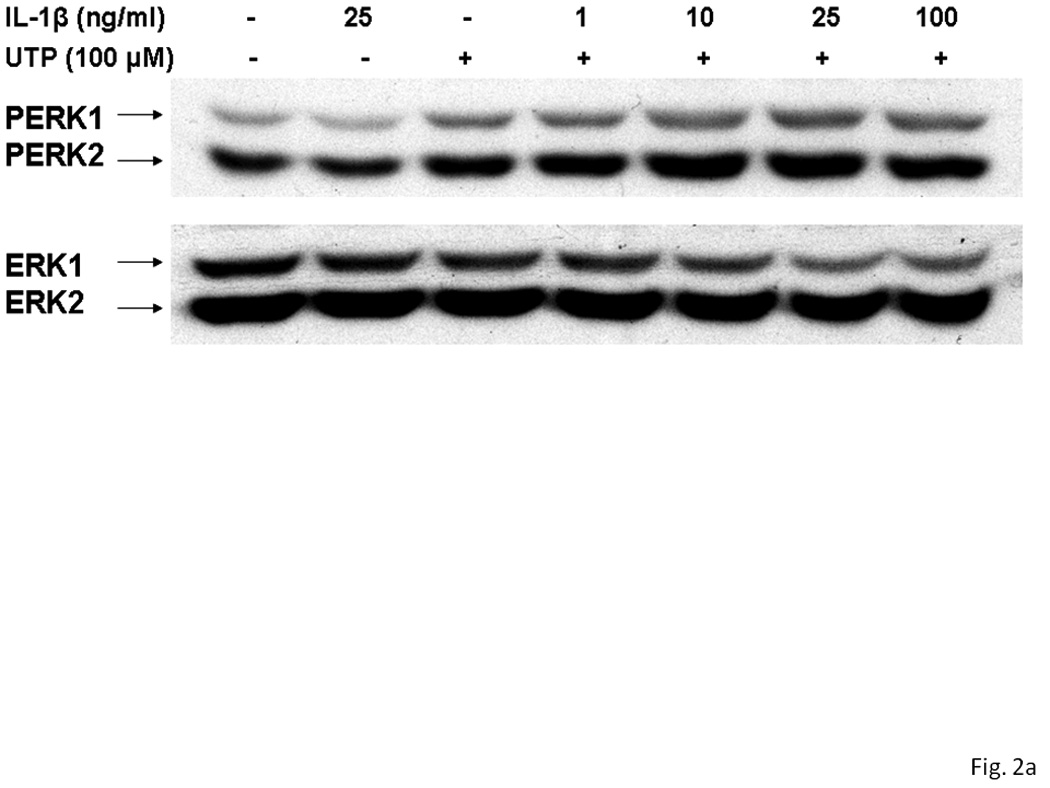
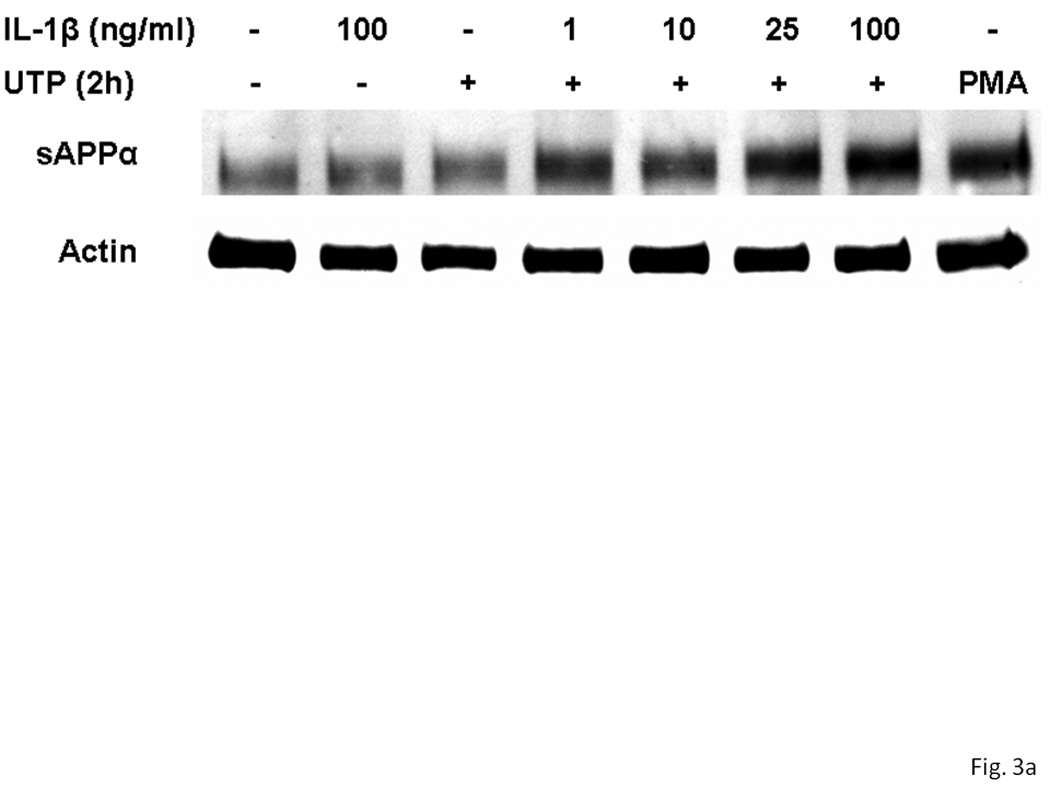
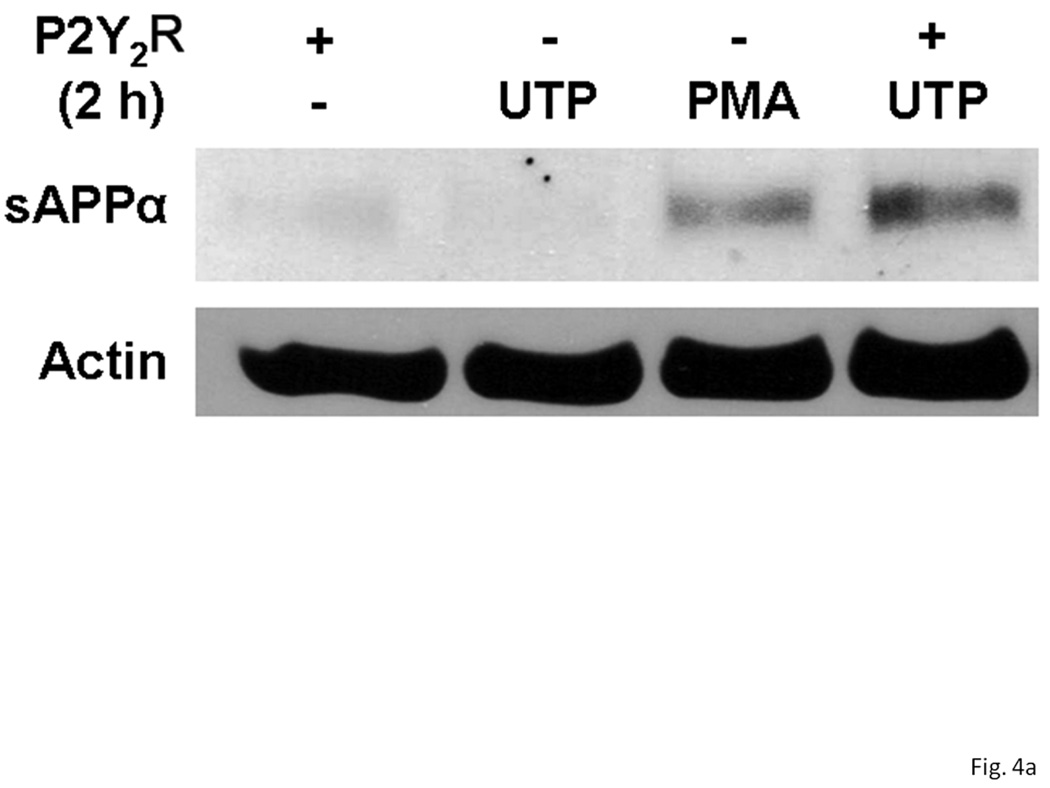
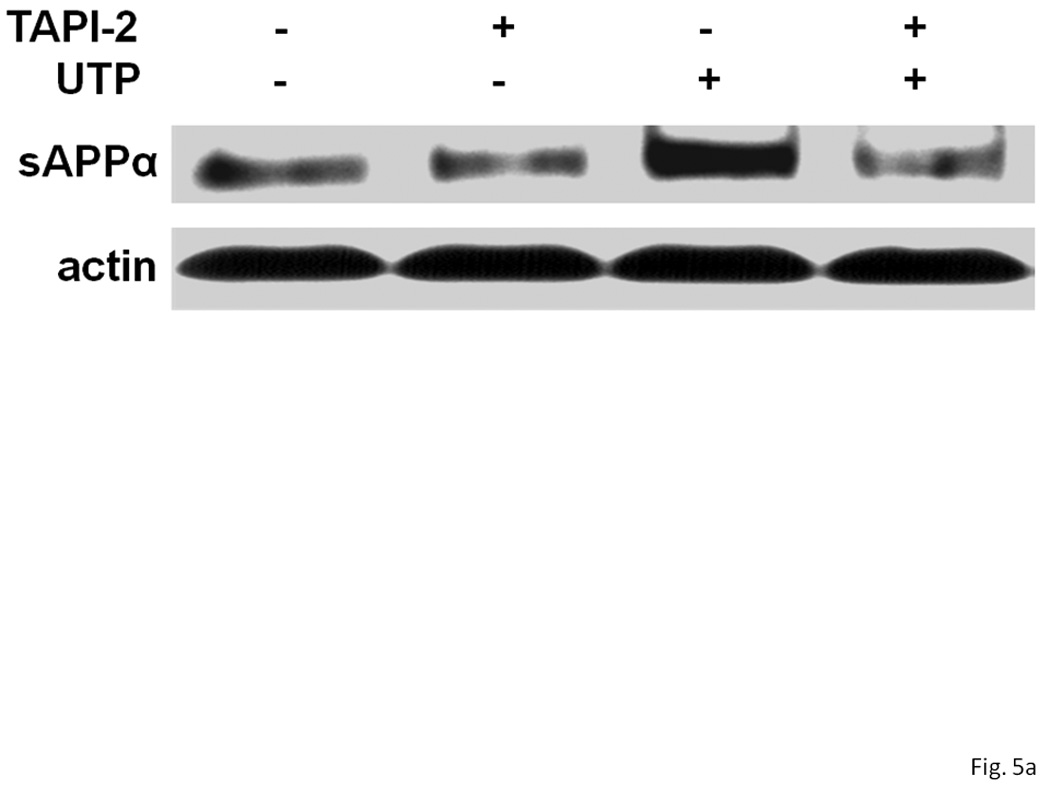
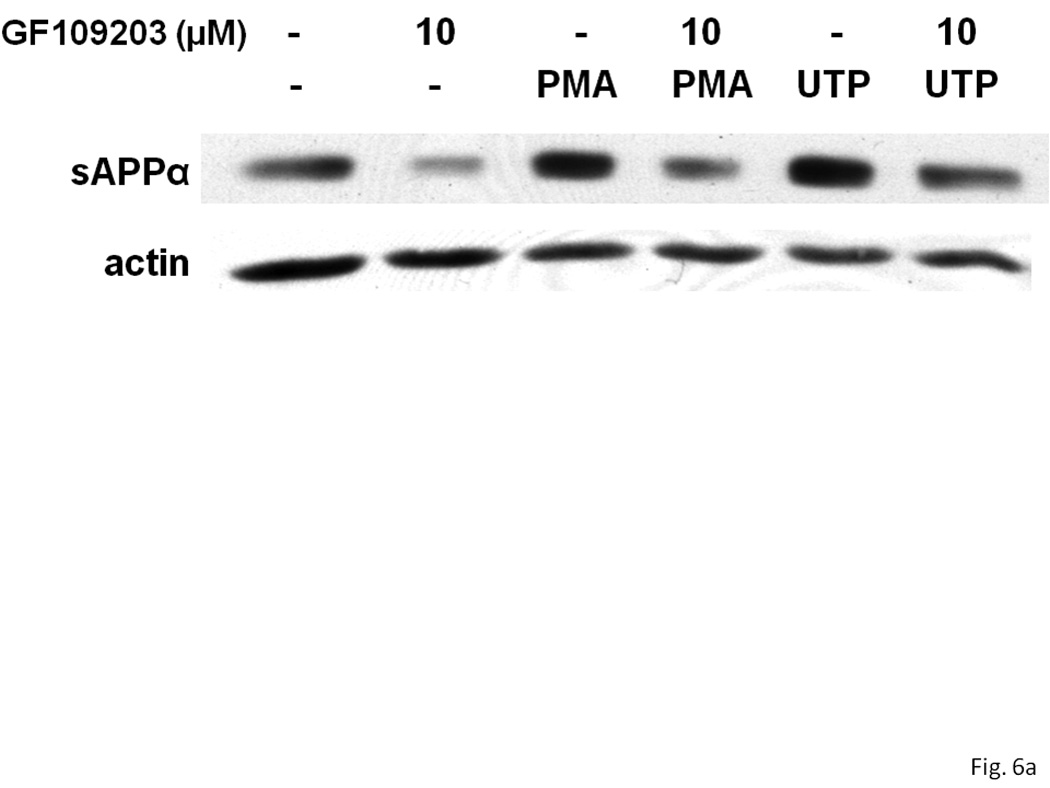
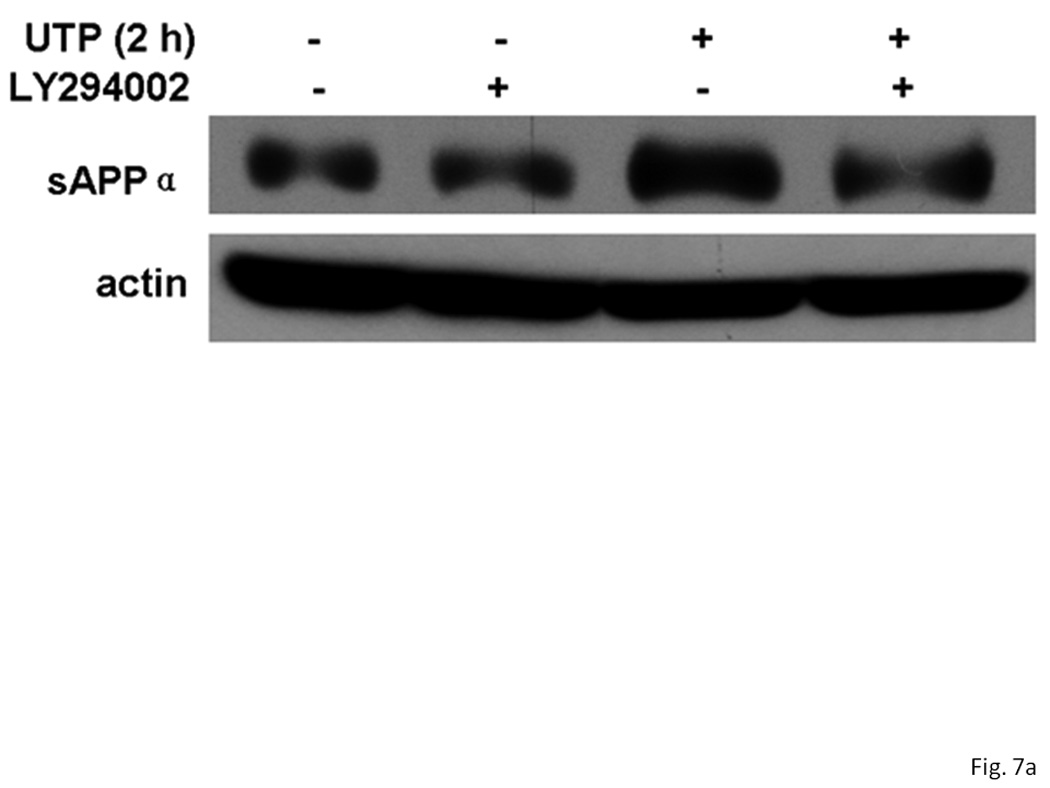
The heterologous expression and activation of the human P2Y(2) nucleotide receptor (P2Y(2)R) in human 1321N1 astrocytoma cells stimulates alpha-secretase-dependent cleavage of the amyloid precursor protein (APP), causing extracellular release of the non-amyloidogenic protein secreted amyloid precursor protein (sAPPalpha). To determine whether a similar response occurs in a neuronal cell, we analyzed whether P2Y(2)R-mediated production of sAPPalpha occurs in rat primary cortical neurons (rPCNs). In rPCNs, P2Y(2)R mRNA and receptor activity were virtually absent in quiescent cells, whereas overnight treatment with the pro-inflammatory cytokine interleukin-1beta (IL-1beta) up-regulated both P2Y(2)R mRNA expression and receptor activity by four-fold. The up-regulation of the P2Y(2)R was abrogated by pre-incubation with Bay 11-7085, an IkappaB-alpha phosphorylation inhibitor, which suggests that P2Y(2)R mRNA transcript levels are regulated through nuclear factor-kappa-B (NFkappaB) signaling. Furthermore, the P2Y(2)R agonist Uridine-5'-triphosphate (UTP) enhanced the release of sAPPalpha in rPCNs treated with IL-1beta or transfected with P2Y(2)R cDNA. UTP-induced release of sAPPalpha from rPCNs was completely inhibited by pre-treatment of the cells with the metalloproteinase inhibitor TACE inhibitor (TAPI-2) or the phosphatidylinositol 3-kinase (PI3K) inhibitor LY294002, and was partially inhibited by the MAPK/extracellular signal-regulated kinase inhibitor U0126 and the protein kinase C inhibitor GF109203. These data suggest that P2Y(2)R-mediated release of sAPPalpha from cortical neurons is directly dependent on a disintegrin and metalloproteinase (ADAM) 10/17 and PI3K activity, whereas extracellular signal-regulated kinase 1/2 and PI3K activity may indirectly regulate APP processing. These results demonstrate that elevated levels of pro-inflammatory cytokines associated with neurodegenerative diseases, such as IL-1beta, can enhance non-amyloidogenic APP processing through up-regulation of the P2Y(2)R in neurons.
人P2Y(2)核苷酸受体(P2Y(2)R)在人1321N1星形细胞瘤细胞中的异源表达和激活可刺激淀粉样前体蛋白(APP)的α-分泌酶依赖性切割,导致非淀粉样生成性蛋白分泌型淀粉样前体蛋白(sAPPα)的细胞外释放。为了确定在神经元细胞中是否会发生类似反应,我们分析了大鼠原代皮质神经元(rPCN)中是否存在P2Y(2)R介导的sAPPα产生。在rPCN中,静止细胞中几乎不存在P2Y(2)R mRNA和受体活性,而用促炎细胞因子白细胞介素-1β(IL-1β)过夜处理可使P2Y(2)R mRNA表达和受体活性上调四倍。用IkappaB-α磷酸化抑制剂Bay 11-7085预孵育可消除P2Y(2)R的上调,这表明P2Y(2)R mRNA转录水平是通过核因子-κB(NFκB)信号传导调节的。此外,P2Y(2)R激动剂尿苷-5'-三磷酸(UTP)可增强用IL-1β处理或转染P2Y(2)R cDNA的rPCN中sAPPα的释放。UTP诱导的rPCN中sAPPα的释放可通过用金属蛋白酶抑制剂TACE抑制剂(TAPI-2)或磷脂酰肌醇3-激酶(PI3K)抑制剂LY294002预处理细胞而完全被抑制,并且可被MAPK/细胞外信号调节激酶抑制剂U0126和蛋白激酶C抑制剂GF109203部分抑制。这些数据表明,P2Y(2)R介导的皮质神经元中sAPPα的释放直接依赖于解整合素和金属蛋白酶(ADAM)10/17以及PI3K活性,而细胞外信号调节激酶1/2和PI3K活性可能间接调节APP加工。这些结果表明,与神经退行性疾病相关的促炎细胞因子水平升高,如IL-1β,可通过上调神经元中的P2Y(2)R来增强非淀粉样生成性APP加工。