Jarosch Robert
Formerly Institute of Plant Physiology, University of Salzburg, Hellbrunnerstrasse 34, A-5020 Salzburg, Austria.
Int J Mol Sci. 2008 Dec;9(12):2658-2723. doi: 10.3390/ijms9122658. Epub 2008 Dec 18.
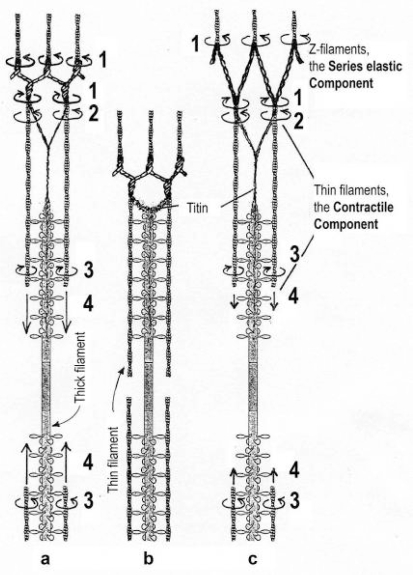
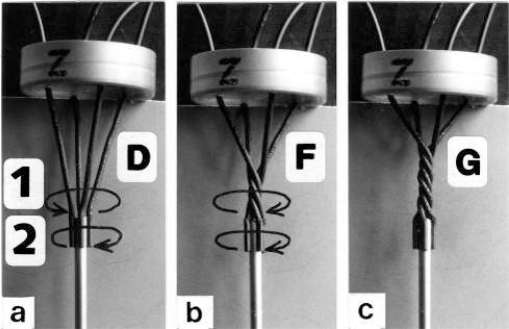
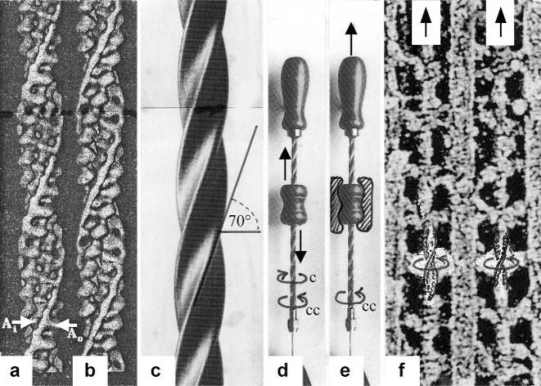
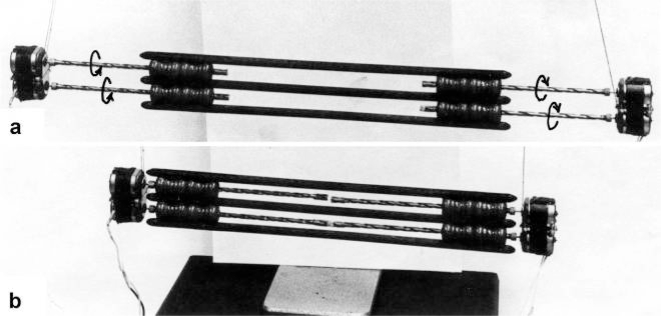
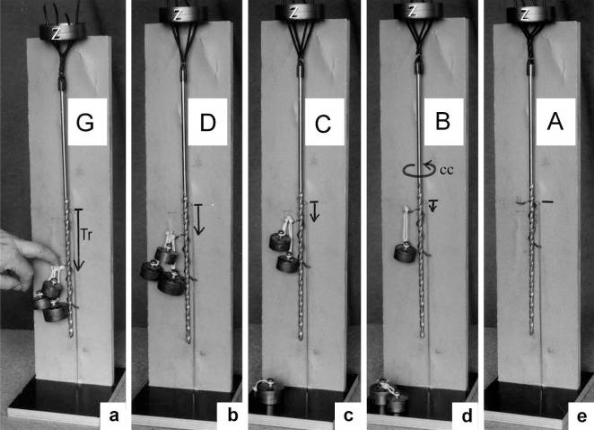
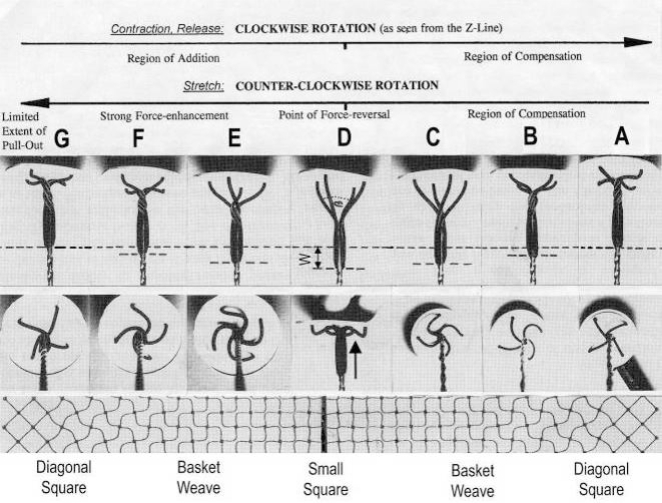
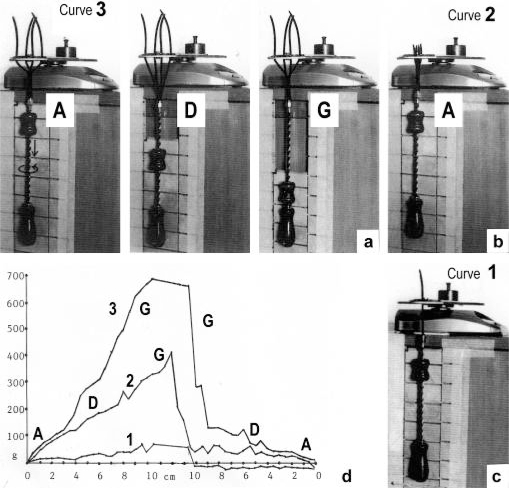
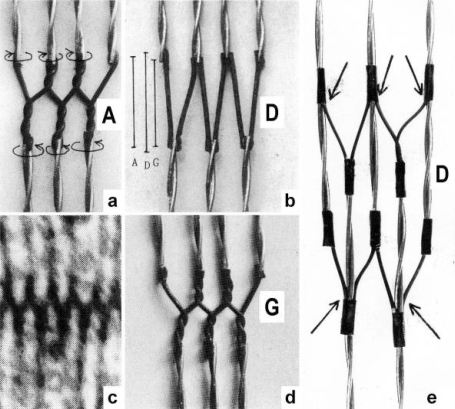
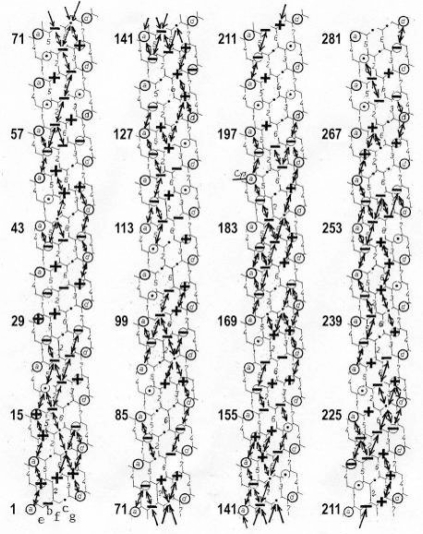
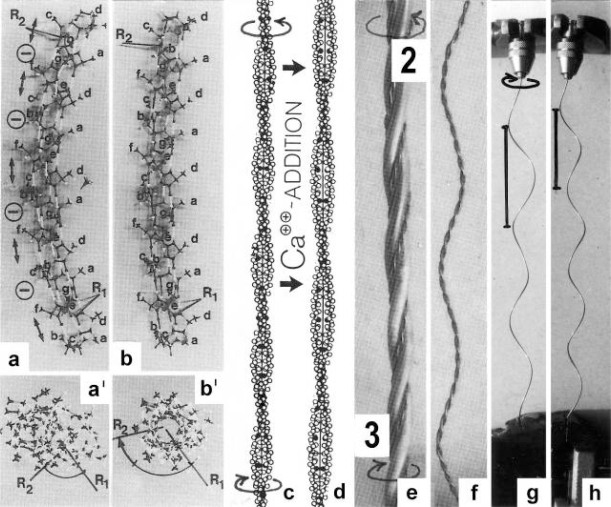
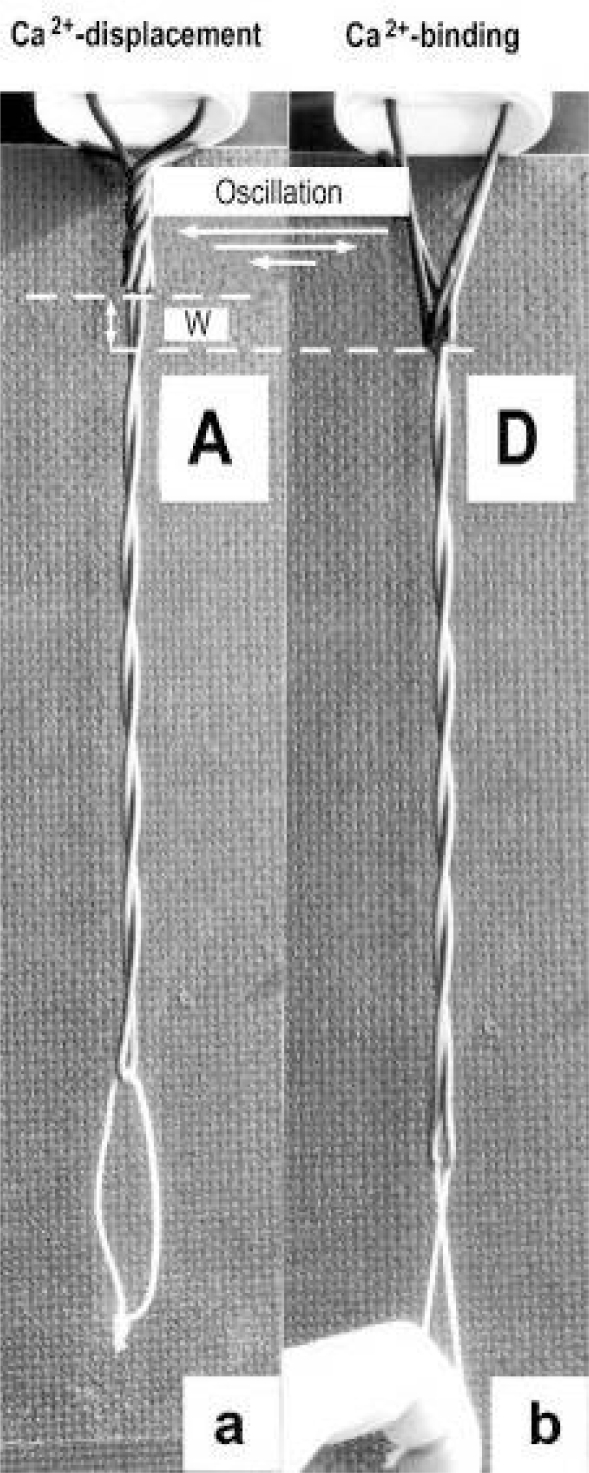
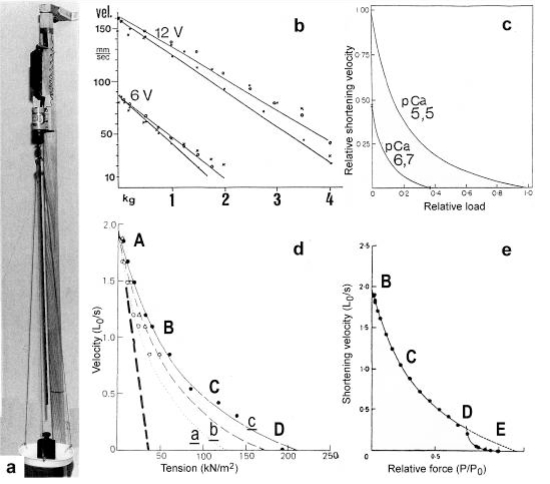
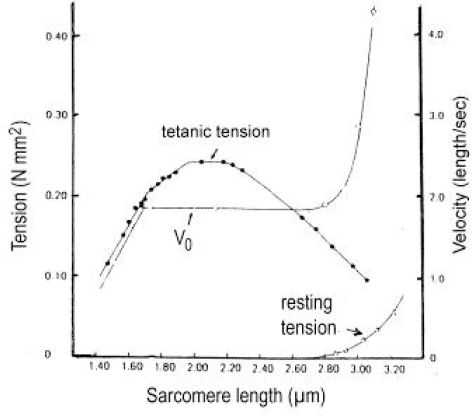
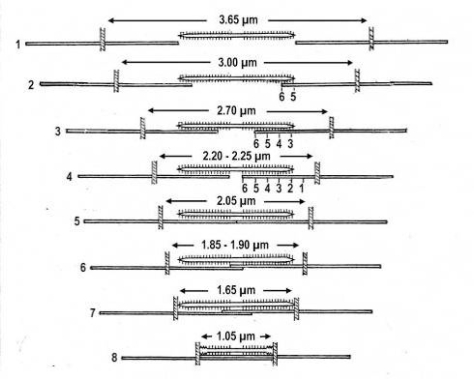
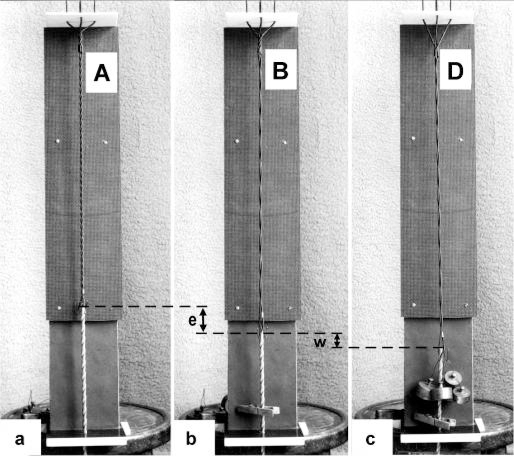
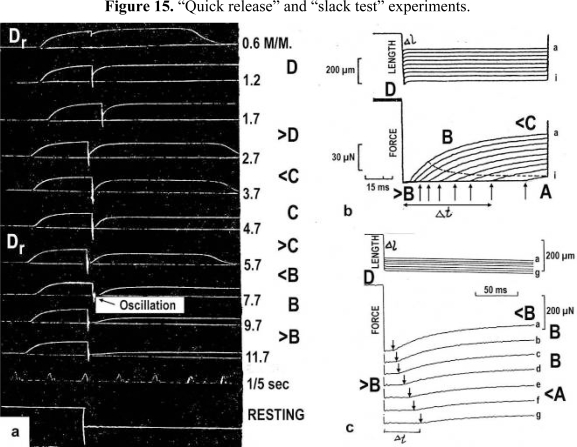
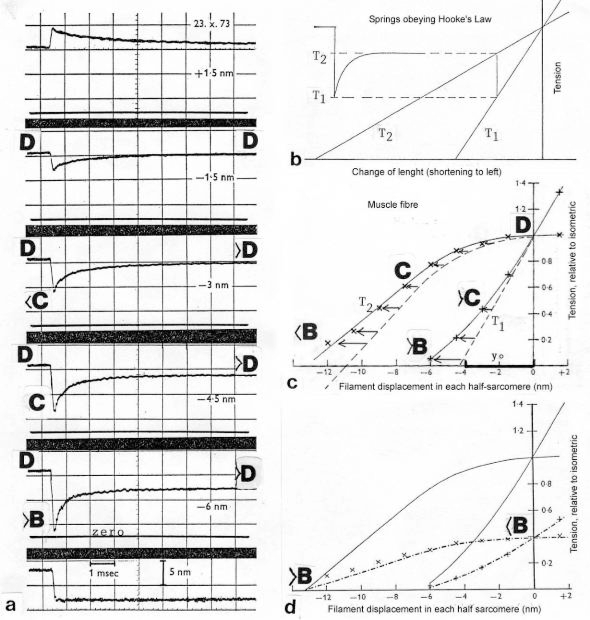
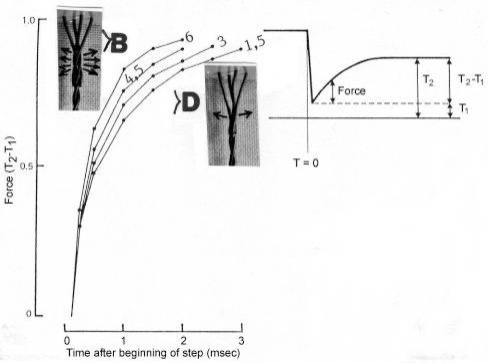
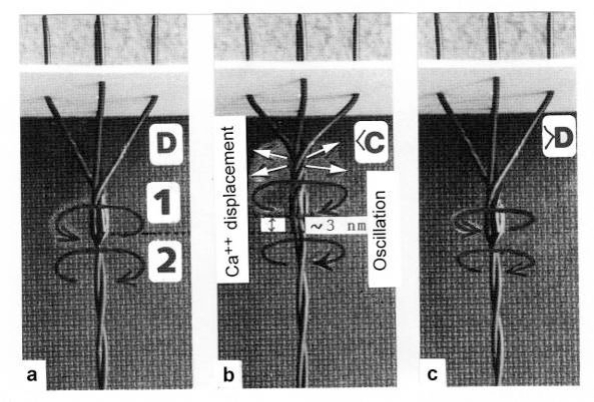
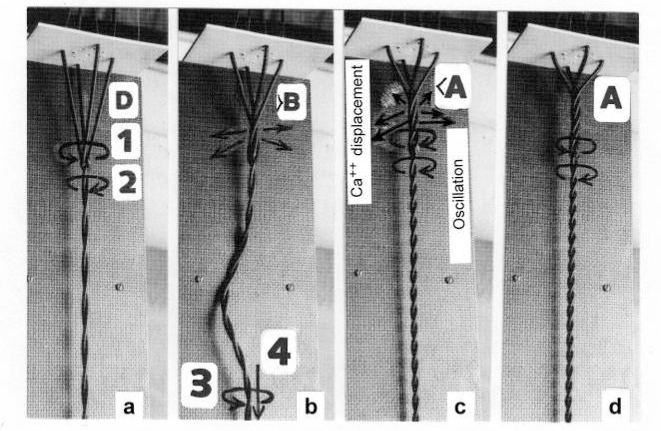
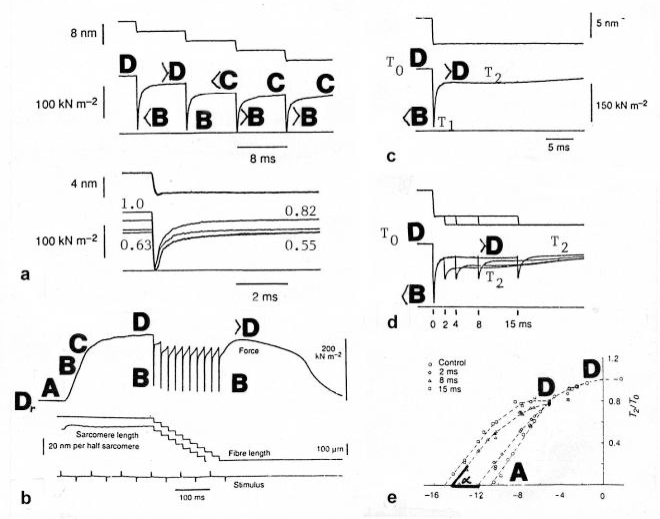
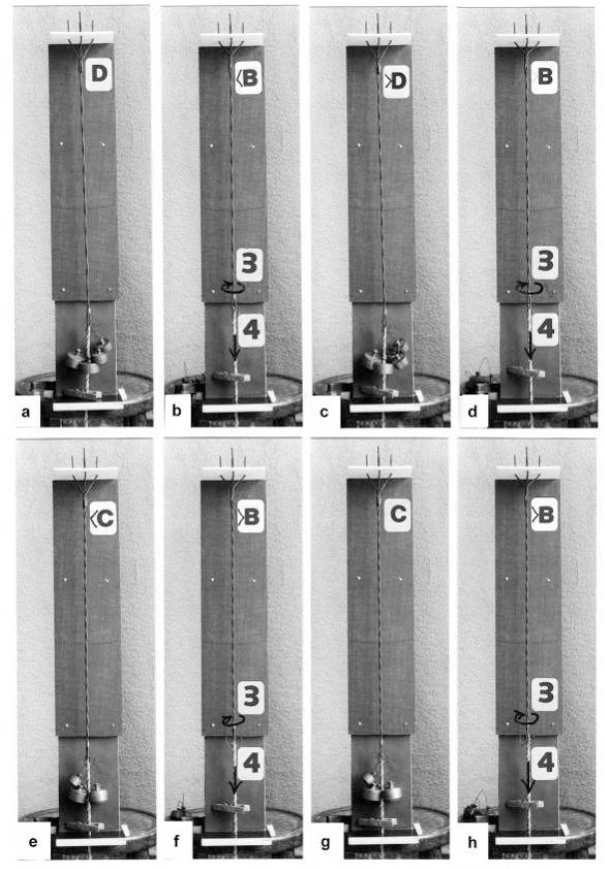
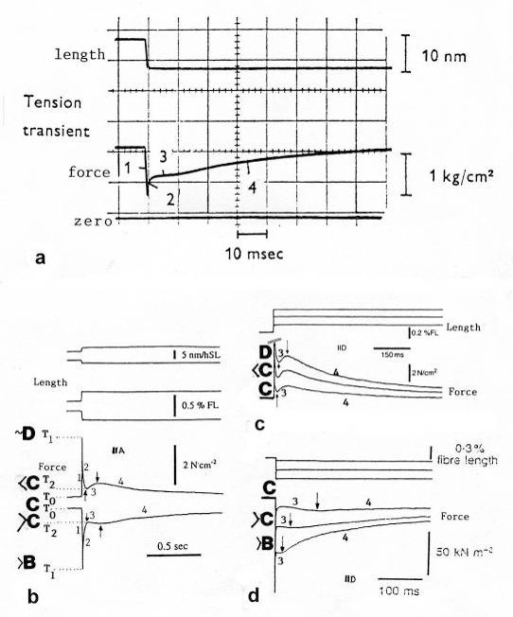
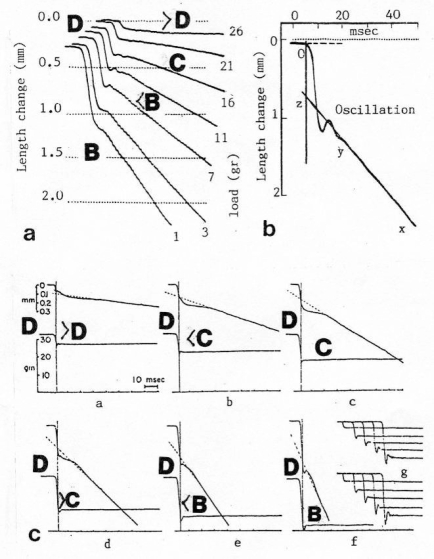
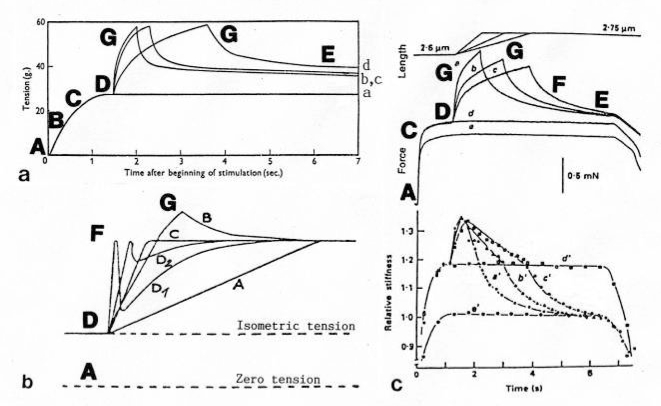
This paper provides a comprehensive explanation of striated muscle mechanics and contraction on the basis of filament rotations. Helical proteins, particularly the coiled-coils of tropomyosin, myosin and alpha-actinin, shorten their H-bonds cooperatively and produce torque and filament rotations when the Coulombic net-charge repulsion of their highly charged side-chains is diminished by interaction with ions. The classical "two-component model" of active muscle differentiated a "contractile component" which stretches the "series elastic component" during force production. The contractile components are the helically shaped thin filaments of muscle that shorten the sarcomeres by clockwise drilling into the myosin cross-bridges with torque decrease (= force-deficit). Muscle stretch means drawing out the thin filament helices off the cross-bridges under passive counterclockwise rotation with torque increase (= stretch activation). Since each thin filament is anchored by four elastic alpha-actinin Z-filaments (provided with force-regulating sites for Ca(2+) binding), the thin filament rotations change the torsional twist of the four Z-filaments as the "series elastic components". Large scale models simulate the changes of structure and force in the Z-band by the different Z-filament twisting stages A, B, C, D, E, F and G. Stage D corresponds to the isometric state. The basic phenomena of muscle physiology, i. e. latency relaxation, Fenn-effect, the force-velocity relation, the length-tension relation, unexplained energy, shortening heat, the Huxley-Simmons phases, etc. are explained and interpreted with the help of the model experiments.
本文基于细丝旋转对横纹肌力学和收缩进行了全面解释。螺旋蛋白,特别是原肌球蛋白、肌球蛋白和α-辅肌动蛋白的卷曲螺旋,当其高电荷侧链的库仑净电荷排斥因与离子相互作用而减弱时,会协同缩短其氢键,并产生扭矩和细丝旋转。活跃肌肉的经典“双组分模型”区分了一个“收缩组分”,该组分在产生力的过程中拉伸“串联弹性组分”。收缩组分是肌肉中呈螺旋状的细肌丝,它们通过顺时针钻入肌球蛋白横桥并降低扭矩(=力亏缺)来缩短肌节。肌肉伸展意味着在被动逆时针旋转且扭矩增加(=伸展激活)的情况下,将细肌丝螺旋从横桥上拉出。由于每条细肌丝都由四条弹性α-辅肌动蛋白Z线固定(Z线设有钙结合力调节位点),细肌丝旋转会改变作为“串联弹性组分”的四条Z线的扭转。大规模模型通过不同的Z线扭转阶段A、B、C、D、E、F和G模拟Z带中的结构和力的变化。阶段D对应于等长状态。借助模型实验对肌肉生理学的基本现象,即潜伏期松弛、芬恩效应、力-速度关系、长度-张力关系、未解释的能量、缩短热、赫胥黎-西蒙斯阶段等进行了解释和阐释。