Loma Linda University, Loma Linda, CA, USA.
Med Sci Monit. 2013 Aug 12;19:661-7. doi: 10.12659/MSM.889145.
It is commonly believed in medicine that using heat will increase the distensability and flexibility of soft tissue. If true, increased flexibility would be a positive factor to reduce injuries in sports. However, cold should have the opposite effect and is often used to treat sports injuries. This study was accomplished to quantify the effect of heat and cold on the force needed to flex the knee and laxness of the anterior and posterior cruciate ligaments.
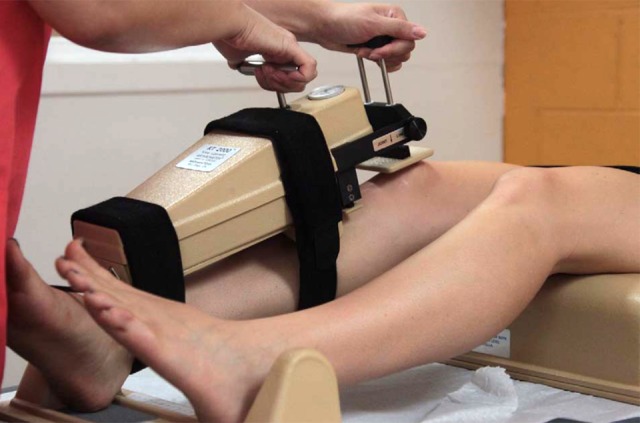
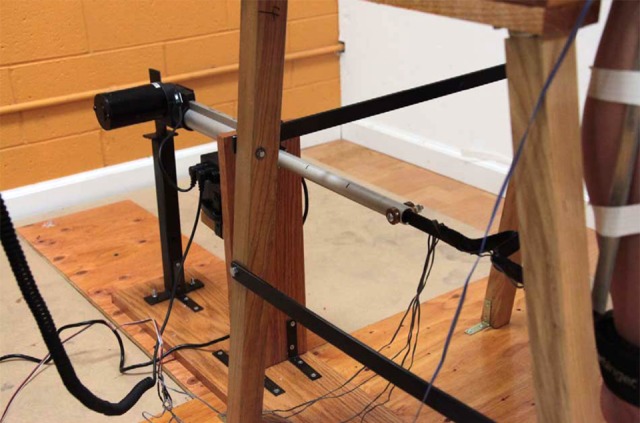
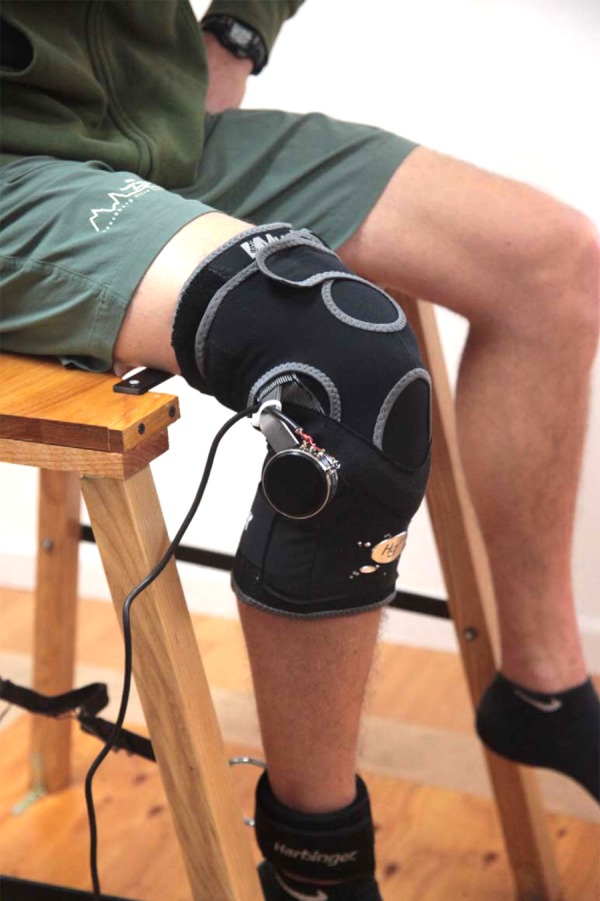
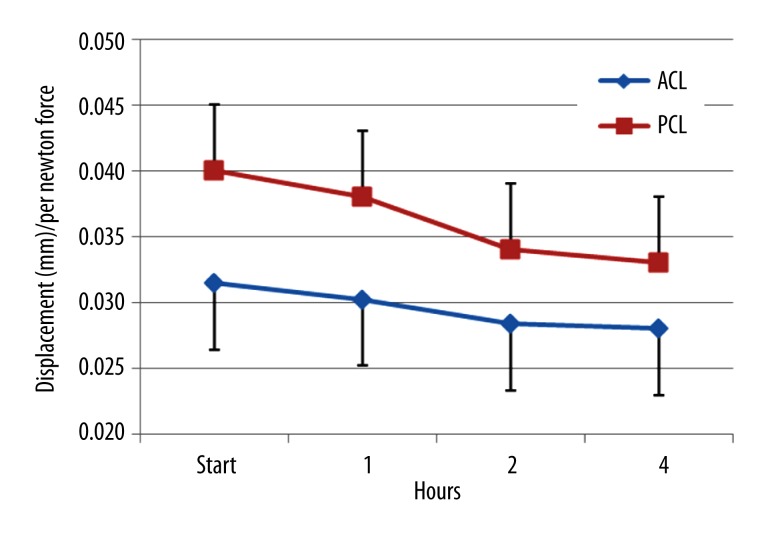
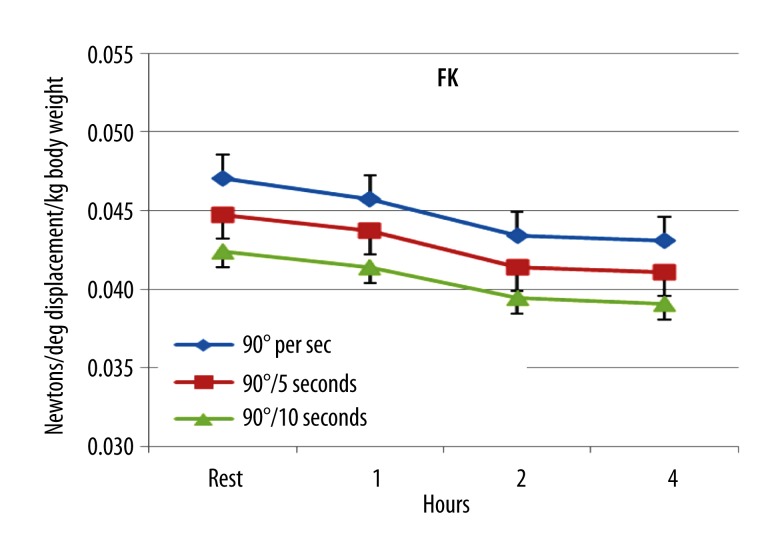
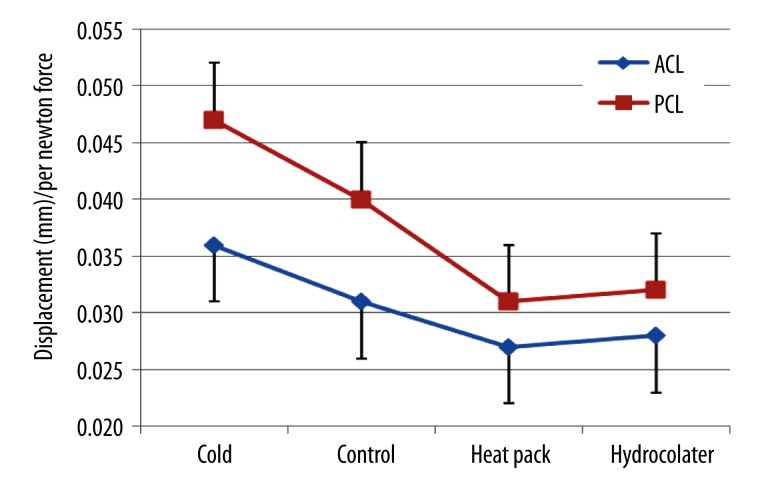
The present study examined 20 male and female subjects to determine if heat would increase extensibility of the anterior and posterior cruciate ligaments of the knee and reduce the force needed to flex the knee. Cold exposure was examined to see if it would have the opposite effect. There were 4 experiments in the series: The first was a room temperature series; the second was a series where cold was applied with an ice pack for 20 minutes; in the third, hydrocollator heat packs were applied for 20 minutes; and in the fourth, ThermaCare heat wraps were applied for 4 hours on the quadriceps and knee. Tendon extensibility was measured with a KT2000. The force for flexing the knee was measured by passive movement being applied (CPM) to the knee through 30° and the force required to move the leg was measured.
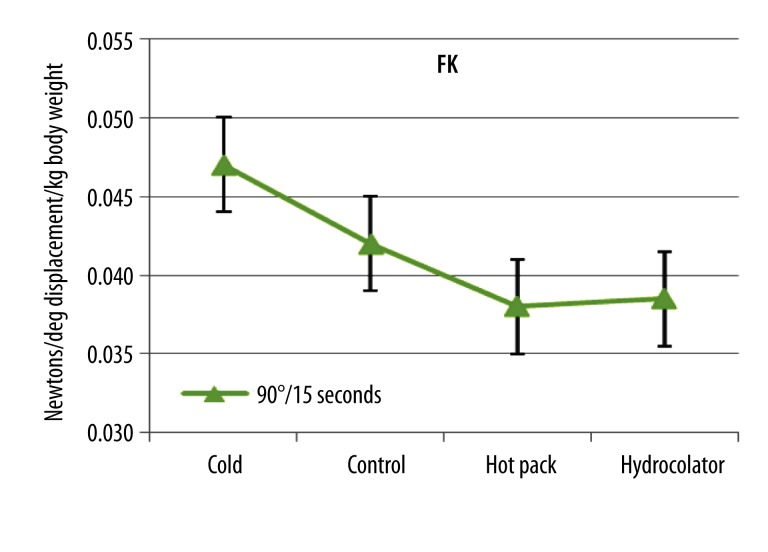
The results show that the anterior and posterior cruciate ligament flexibility increased and the force needed to move the knee decreased with heat by about 25% compared to cold application.
Heat is beneficial in increasing muscle and ligament flexibility and may help reduce athletic injuries, but cold treatment may have the opposite effect.
医学界普遍认为,热疗会增加软组织的可扩展性和柔韧性。如果这是真的,那么柔韧性的提高将是减少运动损伤的一个积极因素。然而,冷疗应该有相反的效果,并且经常被用于治疗运动损伤。本研究旨在量化热疗和冷疗对膝关节弯曲所需的力和前、后交叉韧带松弛度的影响。
本研究检查了 20 名男性和女性受试者,以确定热疗是否会增加膝关节前、后交叉韧带的伸展性,并减少膝关节弯曲所需的力。检查了冷疗是否会产生相反的效果。该系列有 4 个实验:第一个是室温系列;第二个是用冰袋冷敷 20 分钟的系列;第三个是用热疗垫热敷 20 分钟的系列;第四个是在股四头肌和膝盖上用 ThermaCare 热绷带热敷 4 小时的系列。用 KT2000 测量肌腱的伸展性。通过 CPM(被动运动)对膝关节施加 30°的力来测量膝关节弯曲的力,测量移动腿部所需的力。
结果表明,与冷疗相比,热疗使前、后交叉韧带的柔韧性增加,膝关节弯曲所需的力降低了约 25%。
热疗有助于增加肌肉和韧带的柔韧性,可能有助于减少运动损伤,但冷疗可能会产生相反的效果。