Department of Endocrinology, Beijing Tongren Hospital, Capital Medical University, China.
Acta Diabetol. 2010 Sep;47(3):193-9. doi: 10.1007/s00592-009-0109-4. Epub 2009 Mar 31.
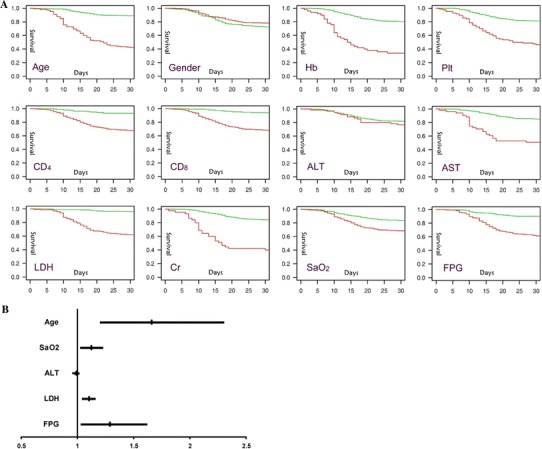
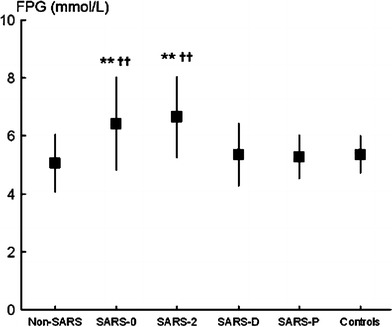
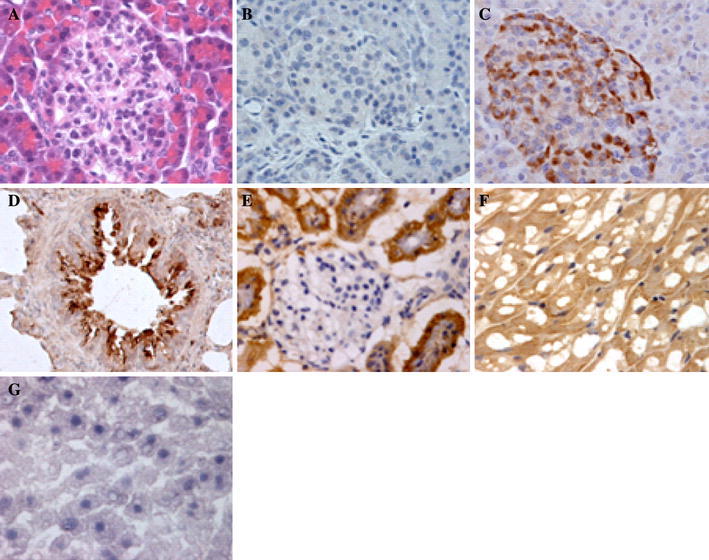
Multiple organ damage in severe acute respiratory syndrome (SARS) patients is common; however, the pathogenesis remains controversial. This study was to determine whether the damage was correlated with expression of the SARS coronavirus receptor, angiotensin converting enzyme 2 (ACE2), in different organs, especially in the endocrine tissues of the pancreas, and to elucidate the pathogenesis of glucose intolerance in SARS patients. The effect of clinical variables on survival was estimated in 135 SARS patients who died, 385 hospitalized SARS patients who survived, and 19 patients with non-SARS pneumonia. A total of 39 SARS patients who had no previous diabetes and received no steroid treatment were compared to 39 matched healthy siblings during a 3-year follow-up period. The pattern of SARS coronavirus receptor-ACE2 proteins in different human organs was also studied. Significant elevations in oxygen saturation, serum creatinine, lactate dehydrogenase, creatine kinase MB isoenzyme, and fasting plasma glucose (FPG), but not in alanine transaminase were predictors for death. Abundant ACE2 immunostaining was found in lung, kidney, heart, and islets of pancreas, but not in hepatocytes. Twenty of the 39 followed-up patients were diabetic during hospitalization. After 3 years, only two of these patients had diabetes. Compared with their non-SARS siblings, these patients exhibited no significant differences in FPG, postprandial glucose (PPG), and insulin levels. The organ involvements of SARS correlated with organ expression of ACE2. The localization of ACE2 expression in the endocrine part of the pancreas suggests that SARS coronavirus enters islets using ACE2 as its receptor and damages islets causing acute diabetes.
严重急性呼吸综合征(SARS)患者的多器官损伤很常见,但发病机制仍存在争议。本研究旨在确定损伤是否与 SARS 冠状病毒受体血管紧张素转换酶 2(ACE2)在不同器官中的表达相关,尤其是在胰腺内分泌组织中,并阐明 SARS 患者葡萄糖耐量受损的发病机制。对 135 名死亡的 SARS 患者、385 名住院 SARS 患者和 19 名非 SARS 肺炎患者的临床变量对生存的影响进行了估计。对 39 名无既往糖尿病且未接受类固醇治疗的 SARS 患者进行了 3 年随访,并与 39 名匹配的健康兄弟姐妹进行了比较。还研究了不同人体器官中 SARS 冠状病毒受体 ACE2 蛋白的分布模式。氧饱和度、血清肌酐、乳酸脱氢酶、肌酸激酶同工酶 MB 和空腹血糖(FPG)的显著升高,但丙氨酸氨基转移酶没有升高,是死亡的预测因素。肺、肾、心和胰岛中均发现大量 ACE2 免疫染色,但在肝细胞中未发现。在 39 名随访患者中,有 20 名在住院期间患有糖尿病。3 年后,这些患者中只有 2 人患有糖尿病。与非 SARS 兄弟姐妹相比,这些患者的 FPG、餐后血糖(PPG)和胰岛素水平没有差异。SARS 的器官受累与 ACE2 的器官表达相关。ACE2 表达在胰腺内分泌部分的定位表明,SARS 冠状病毒可能使用 ACE2 作为其受体进入胰岛并损害胰岛,导致急性糖尿病。