Booij Judith C, van Soest Simone, Swagemakers Sigrid M A, Essing Anke H W, Verkerk Annemieke J M H, van der Spek Peter J, Gorgels Theo G M F, Bergen Arthur A B
Department of Molecular Ophthalmogenetics, Netherlands Institute for Neuroscience (NIN), Amsterdam, the Netherlands.
BMC Genomics. 2009 Apr 20;10:164. doi: 10.1186/1471-2164-10-164.
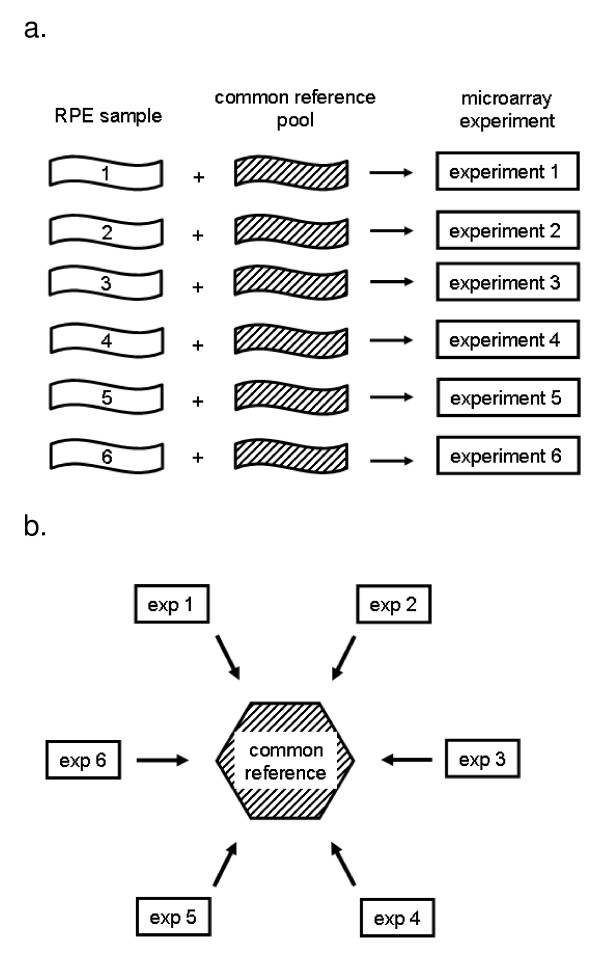
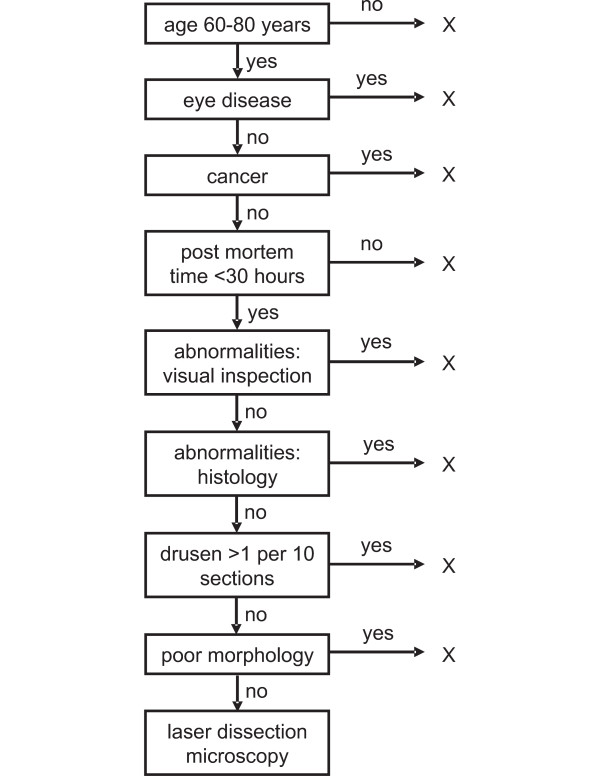
To determine level, variability and functional annotation of gene expression of the human retinal pigment epithelium (RPE), the key tissue involved in retinal diseases like age-related macular degeneration and retinitis pigmentosa. Macular RPE cells from six selected healthy human donor eyes (aged 63-78 years) were laser dissected and used for 22k microarray studies (Agilent technologies). Data were analyzed with Rosetta Resolver, the web tool DAVID and Ingenuity software.
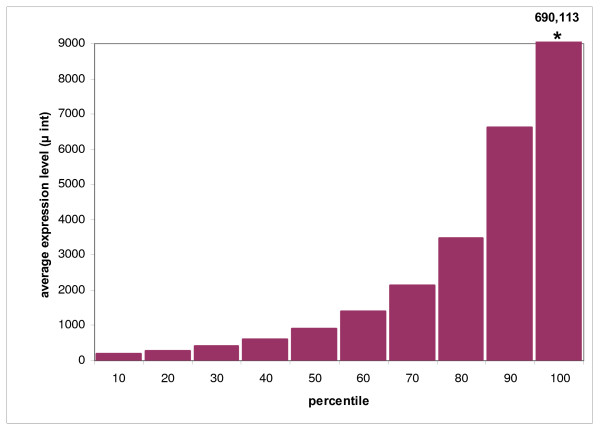
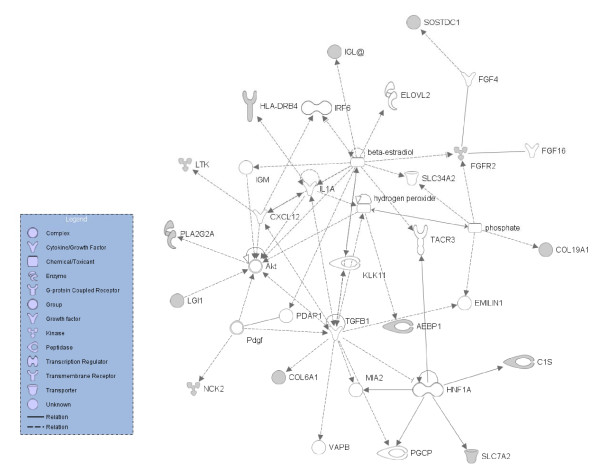
In total, we identified 19,746 array entries with significant expression in the RPE. Gene expression was analyzed according to expression levels, interindividual variability and functionality. A group of highly (n = 2,194) expressed RPE genes showed an overrepresentation of genes of the oxidative phosphorylation, ATP synthesis and ribosome pathways. In the group of moderately expressed genes (n = 8,776) genes of the phosphatidylinositol signaling system and aminosugars metabolism were overrepresented. As expected, the top 10 percent (n = 2,194) of genes with the highest interindividual differences in expression showed functional overrepresentation of the complement cascade, essential in inflammation in age-related macular degeneration, and other signaling pathways. Surprisingly, this same category also includes the genes involved in Bruch's membrane (BM) composition. Among the top 10 percent of genes with low interindividual differences, there was an overrepresentation of genes involved in local glycosaminoglycan turnover.
Our study expands current knowledge of the RPE transcriptome by assigning new genes, and adding data about expression level and interindividual variation. Functional annotation suggests that the RPE has high levels of protein synthesis, strong energy demands, and is exposed to high levels of oxidative stress and a variable degree of inflammation. Our data sheds new light on the molecular composition of BM, adjacent to the RPE, and is useful for candidate retinal disease gene identification or gene dose-dependent therapeutic studies.
为了确定人类视网膜色素上皮(RPE)的基因表达水平、变异性和功能注释,RPE是年龄相关性黄斑变性和色素性视网膜炎等视网膜疾病中的关键组织。从六只选定的健康人类供体眼睛(年龄63 - 78岁)中激光切割黄斑RPE细胞,并用于22k微阵列研究(安捷伦科技公司)。数据用Rosetta Resolver、网络工具DAVID和Ingenuity软件进行分析。
我们总共鉴定出19,746个在RPE中有显著表达的阵列条目。根据表达水平、个体间变异性和功能对基因表达进行了分析。一组高表达(n = 2,194)的RPE基因显示氧化磷酸化、ATP合成和核糖体途径的基因过度富集。在中度表达基因组(n = 8,776)中,磷脂酰肌醇信号系统和氨基糖代谢的基因过度富集。正如预期的那样,表达个体差异最大的前10%(n = 2,194)的基因显示补体级联的功能过度富集,补体级联在年龄相关性黄斑变性的炎症及其他信号通路中至关重要。令人惊讶的是,这同一类别还包括参与布鲁赫膜(BM)组成的基因。在个体间差异小的前10%的基因中,参与局部糖胺聚糖周转的基因过度富集。
我们的研究通过鉴定新基因、增加关于表达水平和个体间变异的数据,扩展了当前对RPE转录组的认识。功能注释表明RPE具有高水平的蛋白质合成、强烈的能量需求,并且暴露于高水平的氧化应激和不同程度的炎症中。我们的数据为紧邻RPE的BM的分子组成提供了新的线索,并且对于候选视网膜疾病基因鉴定或基因剂量依赖性治疗研究有用。