Weinberg A, Holt S C
Department of Periodontics, University of Texas Health Science Center, San Antonio 78284-7894.
J Bacteriol. 1991 Nov;173(21):6935-47. doi: 10.1128/jb.173.21.6935-6947.1991.
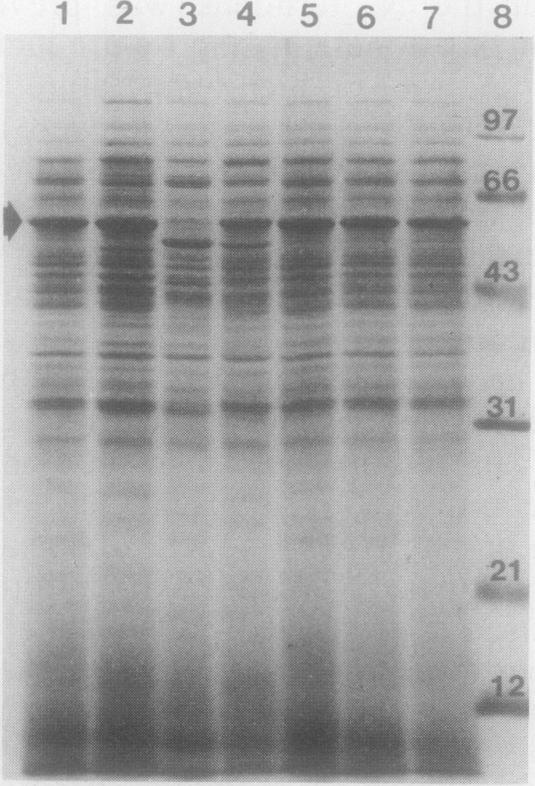
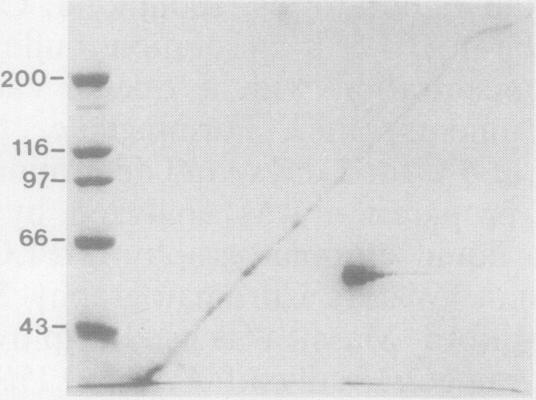
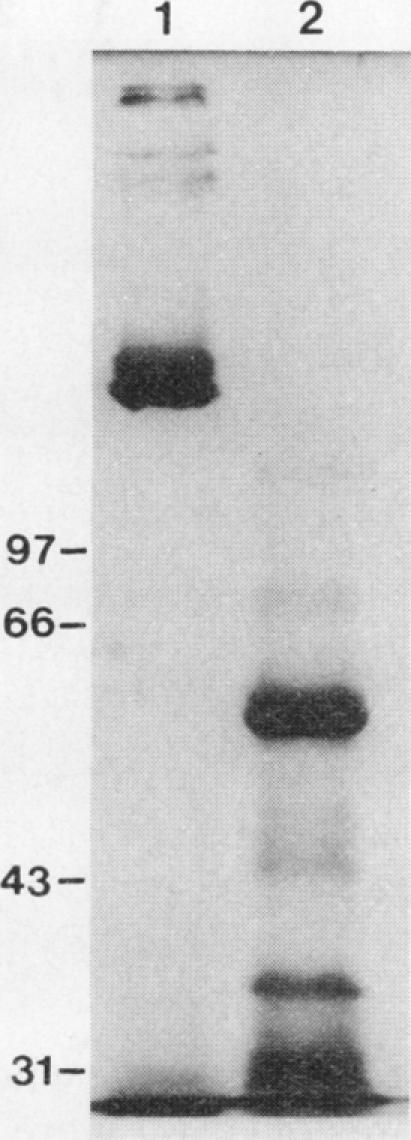
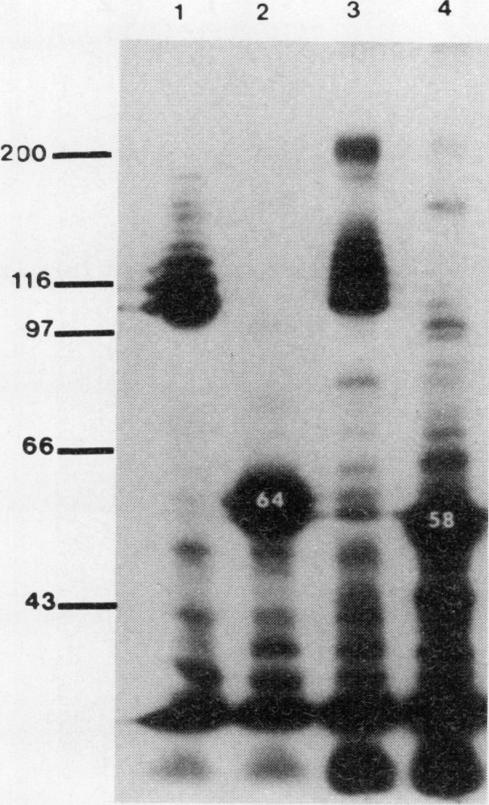
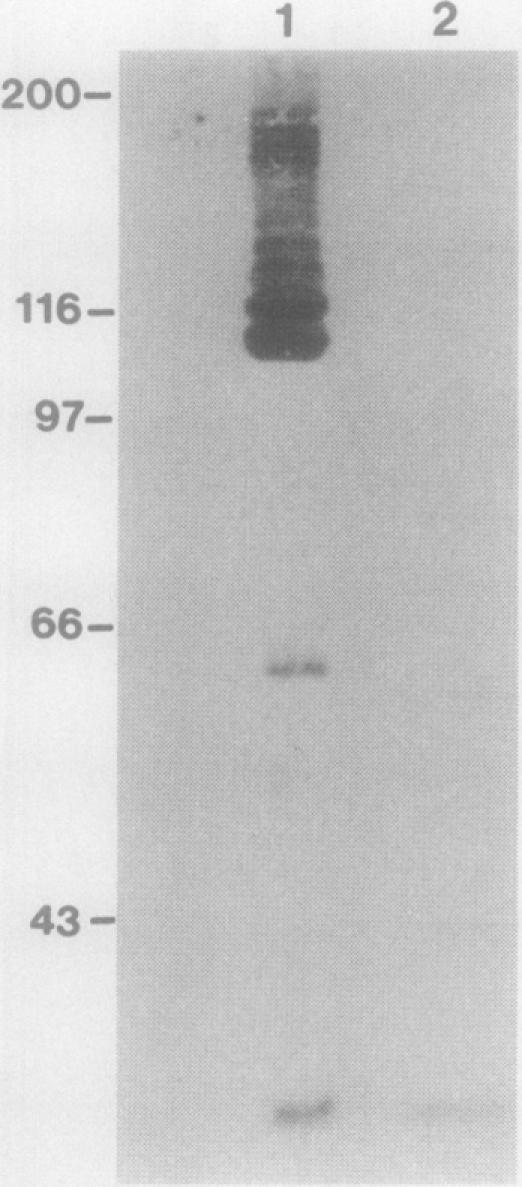
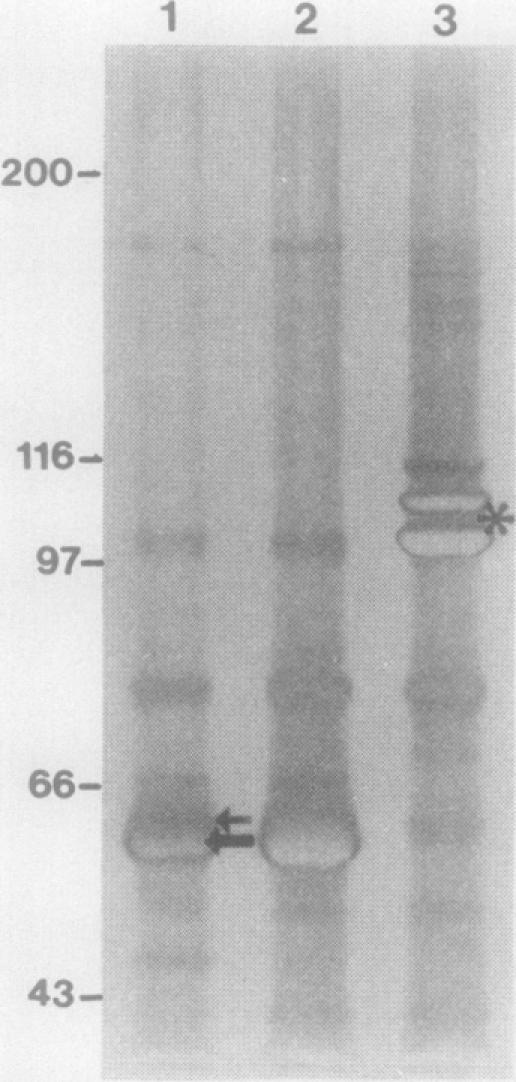
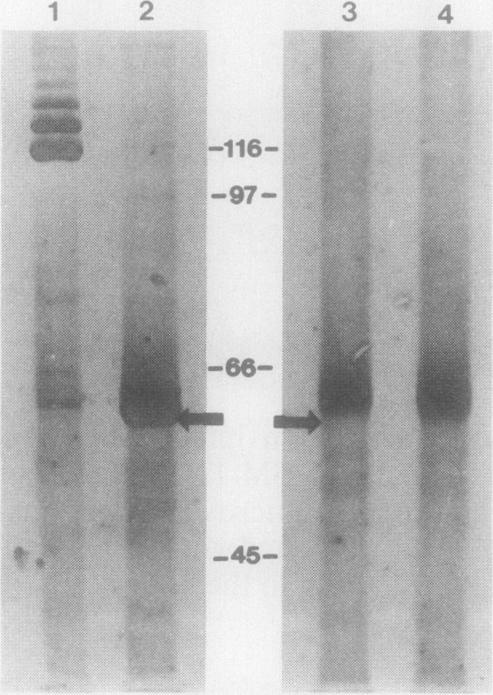
This study examined the distribution of the major outer sheath proteins (MOSP) in several Treponema denticola strains and reports the isolation of a 64-kDa protein from the outer sheath of human clinical isolate T. denticola GM-1. The outer sheath was isolated by freeze-thaw procedures, and the distribution of outer sheath proteins was examined by sodium dodecyl sulfate-polyacrylamide gel electrophoresis (SDS-PAGE). T. denticola GM-1, MS25, SR-5, and three low-passage clinical isolates possessed an MOSP with a relative molecular mass of 60 to 64 kDa. This MOSP was absent in T. denticola ATCC 35404 (TD-4) and clinical isolate SR-4. The latter possessed an MOSP of 58 kDa. 125I labeling revealed both MOSP to be dissociated forms of higher-molecular-mass oligomeric units between 116 and 162 kDa. Two-dimensional SDS-PAGE confirmed the modifiability of these MOSP. Isoelectric focusing of the 64-kDa MOSP indicated a pI of 6.7. Immunoblots with antiserum to GM-1 whole cells revealed the 64-kDa protein to be immunogenic and not cross-reactive with the MOSP of TD-4 or SR-4, and monospecific antibody to the 64-kDa protein recognized common epitopes on the high-molecular-weight oligomeric protein. These antibodies did not react with any component of TD-4 whole cells in immunoblots or in immunogold electron microscopy. Fab fragments inhibited the adherence of T. denticola GM-1 to human gingival fibroblasts by 78% (1:1,600; 0.72 micrograms of protein per ml), while TD-4 adherence was not inhibited. Amino acid analysis revealed a slightly acidic protein, devoid of cysteine, with 36% hydrophobic residues. Cyanogen bromide fragmentation of the 64-kDa protein revealed that a 42-kDa fragment contained a T-L-D-L-A-L-D segment which was 100% homologous with an integrin alpha subunit of a human leukocyte adhesion glycoprotein p 150,95.
本研究检测了几种齿垢密螺旋体菌株中主要外鞘蛋白(MOSP)的分布情况,并报告了从人类临床分离株齿垢密螺旋体GM-1的外鞘中分离出一种64 kDa的蛋白质。通过冻融程序分离出外鞘,并用十二烷基硫酸钠-聚丙烯酰胺凝胶电泳(SDS-PAGE)检测外鞘蛋白的分布。齿垢密螺旋体GM-1、MS25、SR-5以及三株低传代临床分离株均拥有一种相对分子质量为60至64 kDa的MOSP。齿垢密螺旋体ATCC 35404(TD-4)和临床分离株SR-4中不存在这种MOSP。后者拥有一种58 kDa的MOSP。125I标记显示这两种MOSP均为116至162 kDa之间较高分子质量寡聚体单元的解离形式。二维SDS-PAGE证实了这些MOSP的可修饰性。对64 kDa MOSP进行等电聚焦显示其pI为6.7。用抗GM-1全细胞抗血清进行免疫印迹分析表明,64 kDa的蛋白质具有免疫原性,且与TD-4或SR-4的MOSP无交叉反应,针对64 kDa蛋白质的单特异性抗体识别高分子量寡聚蛋白上的共同表位。在免疫印迹分析或免疫金电子显微镜检查中,这些抗体与TD-4全细胞的任何成分均无反应。Fab片段可使齿垢密螺旋体GM-1对人牙龈成纤维细胞的黏附减少78%(1:1600;每毫升0.72微克蛋白质),而对TD-4的黏附无抑制作用。氨基酸分析显示该蛋白呈弱酸性,不含半胱氨酸,疏水残基占36%。对64 kDa蛋白质进行溴化氰裂解分析表明,一个42 kDa的片段含有一个T-L-D-L-A-L-D片段,该片段与人类白细胞黏附糖蛋白p 150,95的整合素α亚基100%同源。