Andersen Mikael R, Lehmann Linda, Nielsen Jens
Department of Systems Biology, Center for Microbial Biotechnology, Technical University of Denmark, DK-2800 Kgs Lyngby, Denmark.
Genome Biol. 2009;10(5):R47. doi: 10.1186/gb-2009-10-5-r47. Epub 2009 May 1.
The filamentous fungus Aspergillus niger is an exceptionally efficient producer of organic acids, which is one of the reasons for its relevance to industrial processes and commercial importance. While it is known that the mechanisms regulating this production are tied to the levels of ambient pH, the reasons and mechanisms for this are poorly understood.
To cast light on the connection between extracellular pH and acid production, we integrate results from two genome-based strategies: A novel method of genome-scale modeling of the response, and transcriptome analysis across three levels of pH.
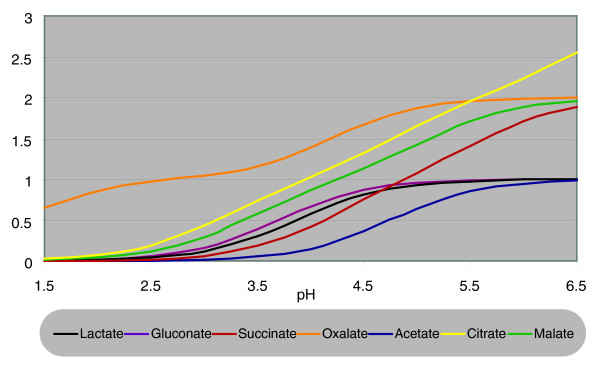
With genome scale modeling with an optimization for extracellular proton-production, it was possible to reproduce the preferred pH levels for citrate and oxalate. Transcriptome analysis and clustering expanded upon these results and allowed the identification of 162 clusters with distinct transcription patterns across the different pH-levels examined. New and previously described pH-dependent cis-acting promoter elements were identified. Combining transcriptome data with genomic coordinates identified four pH-regulated secondary metabolite gene clusters. Integration of regulatory profiles with functional genomics led to the identification of candidate genes for all steps of the pal/pacC pH signalling pathway.
The combination of genome-scale modeling with comparative genomics and transcriptome analysis has provided systems-wide insights into the evolution of highly efficient acidification as well as production process applicable knowledge on the transcriptional regulation of pH response in the industrially important A. niger. It has also made clear that filamentous fungi have evolved to employ several offensive strategies for out-competing rival organisms.
丝状真菌黑曲霉是一种极其高效的有机酸生产者,这是其与工业过程相关且具有商业重要性的原因之一。虽然已知调节这种生产的机制与环境pH值水平有关,但其原因和机制尚不清楚。
为了阐明细胞外pH值与酸产生之间的联系,我们整合了两种基于基因组的策略的结果:一种新的基因组规模的反应建模方法,以及跨三个pH水平的转录组分析。
通过对细胞外质子产生进行优化的基因组规模建模,可以重现柠檬酸盐和草酸盐的优选pH值水平。转录组分析和聚类扩展了这些结果,并允许识别在不同检查的pH水平上具有不同转录模式的162个簇。鉴定出了新的和先前描述的pH依赖性顺式作用启动子元件。将转录组数据与基因组坐标相结合,鉴定出四个pH调节的次生代谢物基因簇。将调控谱与功能基因组学整合,导致鉴定出pal/pacC pH信号通路所有步骤的候选基因。
基因组规模建模与比较基因组学和转录组分析的结合,为高效酸化的进化以及在工业上重要的黑曲霉中pH反应转录调控的生产过程适用知识提供了全系统的见解。它还清楚地表明,丝状真菌已经进化出几种进攻性策略来战胜竞争对手。