Blanco Jorge C G, Pletneva Lioubov M, Wieczorek Lindsay, Khetawat Dimple, Stantchev Tzanko S, Broder Christopher C, Polonis Victoria R, Prince Gregory A
Virion Systems Inc,, 9610 Medical Center Drive, Suite 100, Rockville, Maryland 20850, USA.
Virol J. 2009 May 14;6:57. doi: 10.1186/1743-422X-6-57.
Current small animal models for studying HIV-1 infection are very limited, and this continues to be a major obstacle for studying HIV-1 infection and pathogenesis, as well as for the urgent development and evaluation of effective anti-HIV-1 therapies and vaccines. Previously, it was shown that HIV-1 can infect cotton rats as indicated by development of antibodies against all major proteins of the virus, the detection of viral cDNA in spleen and brain of challenged animals, the transmission of infectious virus, albeit with low efficiency, from animal to animal by blood, and an additional increase in the mortality in the infected groups.
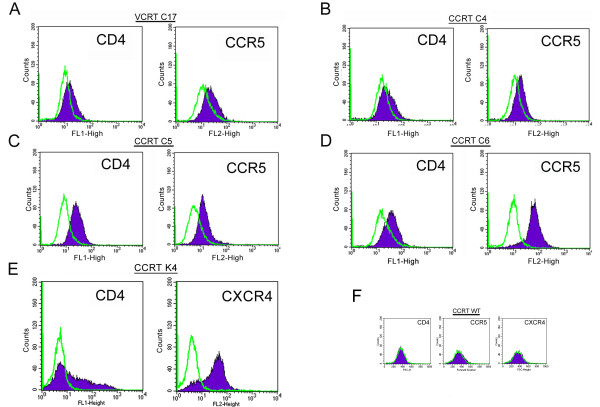
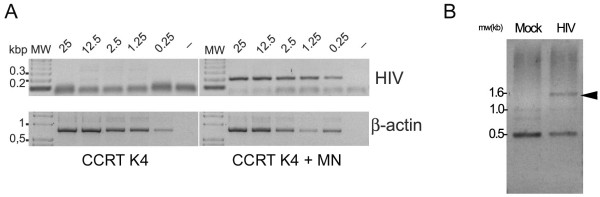
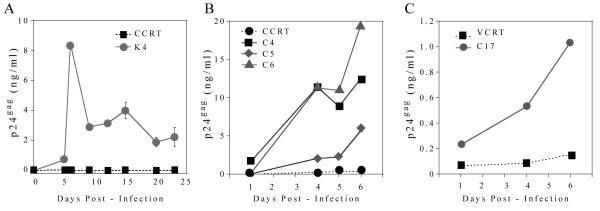
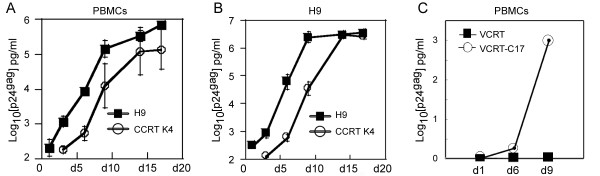
Using in vitro experiments, we now show that cotton rat cell lines engineered to express human receptor complexes for HIV-1 (hCD4 along with hCXCR4 or hCCR5) support virus entry, viral cDNA integration, and the production of infectious virus.
These results further suggest that the development of transgenic cotton rats expressing human HIV-1 receptors may prove to be useful small animal model for HIV infection.
目前用于研究HIV-1感染的小动物模型非常有限,这仍然是研究HIV-1感染和发病机制以及迫切开发和评估有效的抗HIV-1疗法和疫苗的主要障碍。此前研究表明,HIV-1能够感染棉鼠,证据包括针对该病毒所有主要蛋白产生抗体、在受攻击动物的脾脏和大脑中检测到病毒cDNA、传染性病毒虽效率较低但可通过血液在动物之间传播,以及感染组死亡率进一步增加。
通过体外实验,我们现在表明,经过基因工程改造以表达HIV-1人类受体复合物(hCD4以及hCXCR4或hCCR5)的棉鼠细胞系支持病毒进入、病毒cDNA整合以及传染性病毒的产生。
这些结果进一步表明,开发表达人类HIV-1受体的转基因棉鼠可能会成为用于HIV感染研究的有用小动物模型。