Johnson Philip R, Schnepp Bruce C, Zhang Jianchao, Connell Mary J, Greene Sean M, Yuste Eloisa, Desrosiers Ronald C, Clark K Reed
The Children's Hospital of Philadelphia and the University of Pennsylvania School of Medicine, Philadelphia, Pennsylvania, USA.
Nat Med. 2009 Aug;15(8):901-6. doi: 10.1038/nm.1967. Epub 2009 May 17.
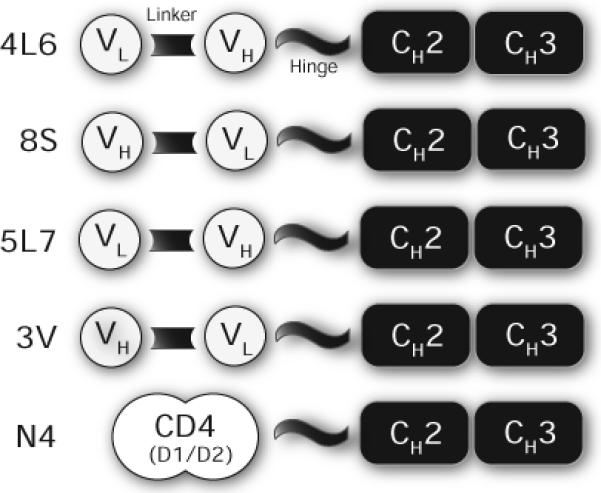
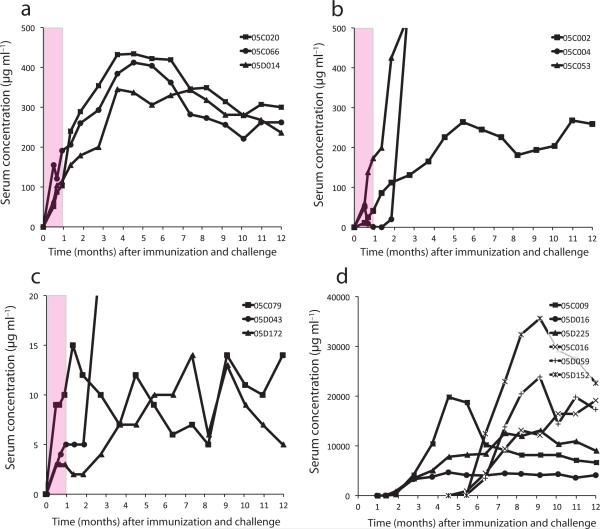
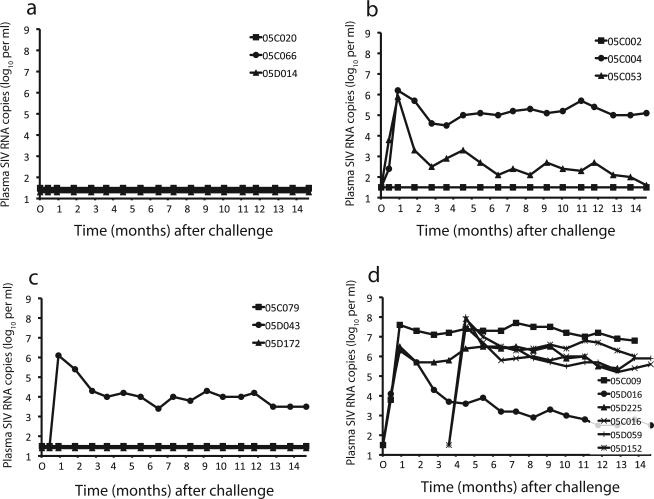
The key to an effective HIV vaccine is development of an immunogen that elicits persisting antibodies with broad neutralizing activity against field strains of the virus. Unfortunately, very little progress has been made in finding or designing such immunogens. Using the simian immunodeficiency virus (SIV) model, we have taken a markedly different approach: delivery to muscle of an adeno-associated virus gene transfer vector expressing antibodies or antibody-like immunoadhesins having predetermined SIV specificity. With this approach, SIV-specific molecules are endogenously synthesized in myofibers and passively distributed to the circulatory system. Using such an approach in monkeys, we have now generated long-lasting neutralizing activity in serum and have observed complete protection against intravenous challenge with virulent SIV. In essence, this strategy bypasses the adaptive immune system and holds considerable promise as a unique approach to an effective HIV vaccine.
有效HIV疫苗的关键在于开发一种免疫原,该免疫原能引发针对该病毒野外毒株具有广泛中和活性的持久抗体。不幸的是,在寻找或设计此类免疫原方面进展甚微。利用猴免疫缺陷病毒(SIV)模型,我们采取了一种截然不同的方法:将表达具有预定SIV特异性的抗体或抗体样免疫粘附素的腺相关病毒基因转移载体注射到肌肉中。通过这种方法,SIV特异性分子在肌纤维中内源性合成,并被动地分布到循环系统。在猴子身上采用这种方法,我们现已在血清中产生了持久的中和活性,并观察到对强毒SIV静脉内攻击具有完全保护作用。从本质上讲,该策略绕过了适应性免疫系统,作为一种独特的有效HIV疫苗方法具有相当大的前景。