Rooijakkers Suzan H M, Wu Jin, Ruyken Maartje, van Domselaar Robert, Planken Karel L, Tzekou Apostolia, Ricklin Daniel, Lambris John D, Janssen Bert J C, van Strijp Jos A G, Gros Piet
Medical Microbiology, University Medical Center Utrecht, Utrecht, The Netherlands.
Nat Immunol. 2009 Jul;10(7):721-7. doi: 10.1038/ni.1756. Epub 2009 Jun 7.
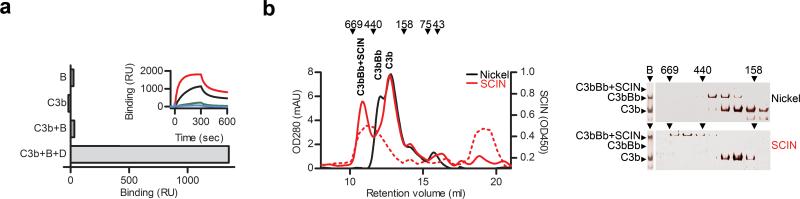
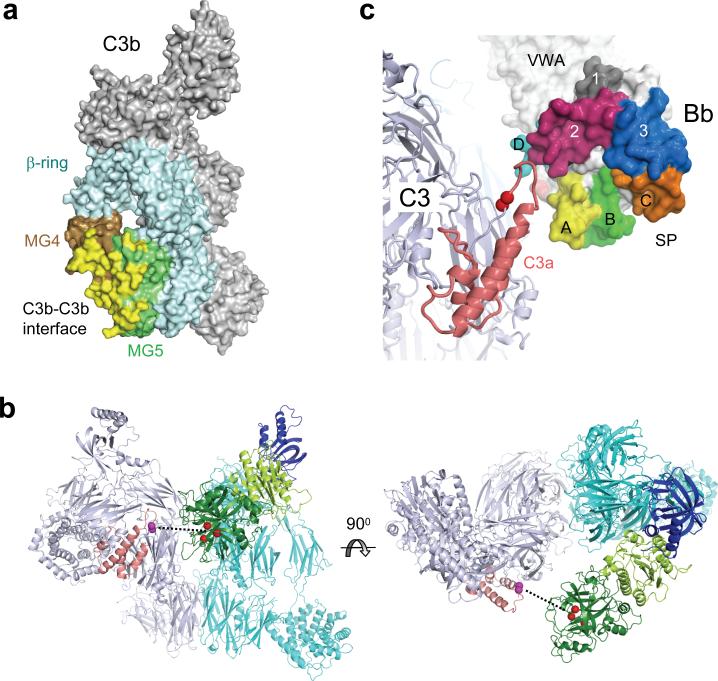
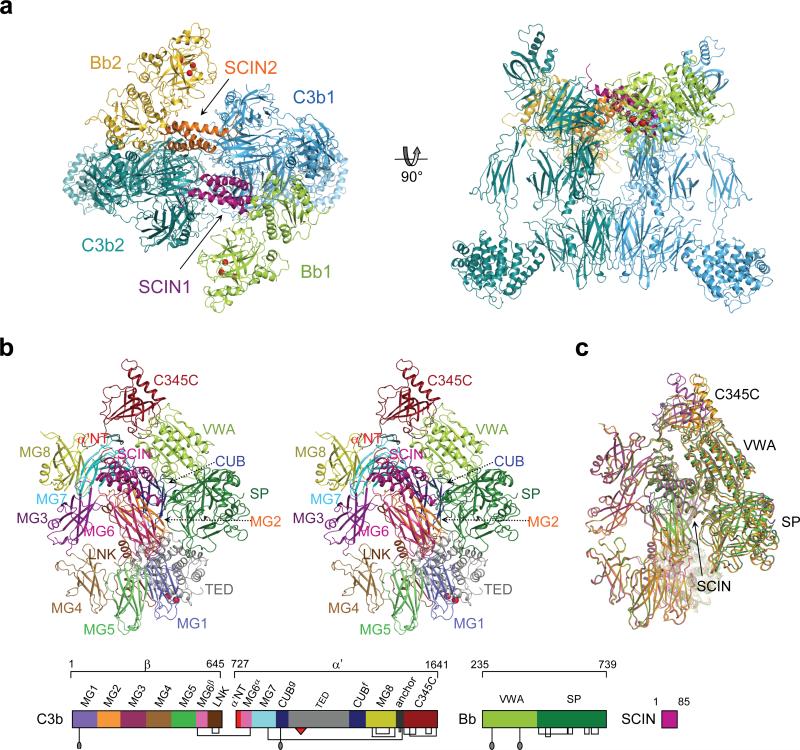
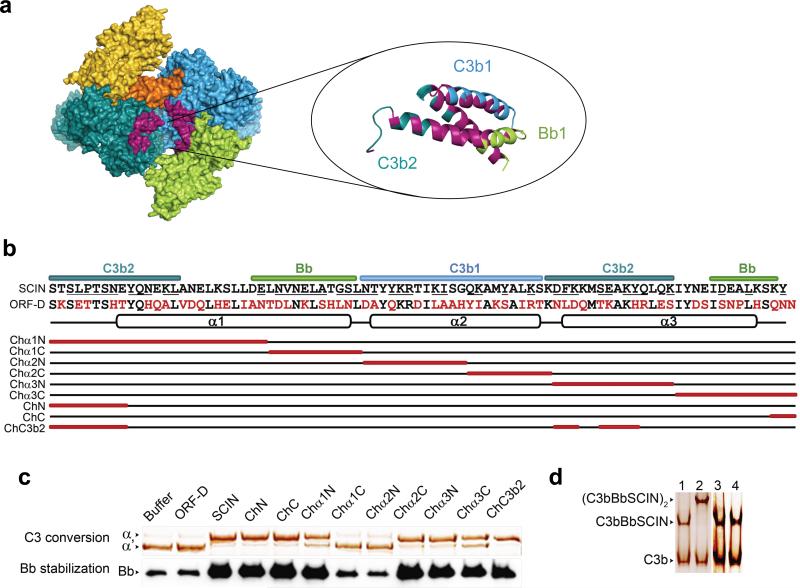
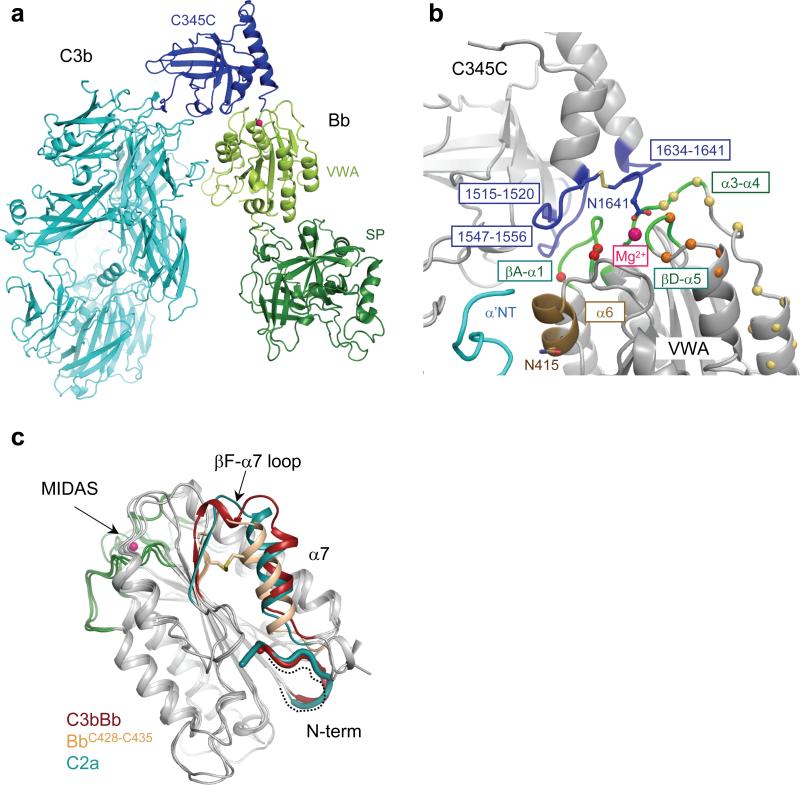
Activation of the complement system generates potent chemoattractants and leads to the opsonization of cells for immune clearance. Short-lived protease complexes cleave complement component C3 into anaphylatoxin C3a and opsonin C3b. Here we report the crystal structure of the C3 convertase formed by C3b and the protease fragment Bb, which was stabilized by the bacterial immune-evasion protein SCIN. The data suggest that the proteolytic specificity and activity depend on the formation of dimers of C3 with C3b of the convertase. SCIN blocked the formation of a productive enzyme-substrate complex. Irreversible dissociation of the complex of C3b and Bb is crucial to complement regulation and was determined by slow binding kinetics of the Mg(2+)-adhesion site in Bb. Understanding the mechanistic basis of the central complement-activation step and microbial immune evasion strategies targeting this step will aid in the development of complement therapeutics.
补体系统的激活会产生强效趋化因子,并导致细胞被调理以进行免疫清除。寿命短暂的蛋白酶复合物将补体成分C3裂解为过敏毒素C3a和调理素C3b。我们在此报告由C3b和蛋白酶片段Bb形成的C3转化酶的晶体结构,该结构由细菌免疫逃避蛋白SCIN稳定。数据表明,蛋白水解特异性和活性取决于C3与转化酶的C3b形成二聚体。SCIN阻断了有活性的酶-底物复合物的形成。C3b和Bb复合物的不可逆解离对补体调节至关重要,并且由Bb中Mg(2+)结合位点的缓慢结合动力学决定。了解补体激活核心步骤的机制基础以及针对该步骤的微生物免疫逃避策略将有助于补体疗法的开发。