Ricklin Daniel, Tzekou Apostolia, Garcia Brandon L, Hammel Michal, McWhorter William J, Sfyroera Georgia, Wu You-Qiang, Holers V Michael, Herbert Andrew P, Barlow Paul N, Geisbrecht Brian V, Lambris John D
Department of Pathology & Laboratory Medicine, University of Pennsylvania, Philadelphia, PA 19104, USA.
J Immunol. 2009 Aug 15;183(4):2565-74. doi: 10.4049/jimmunol.0901443. Epub 2009 Jul 22.
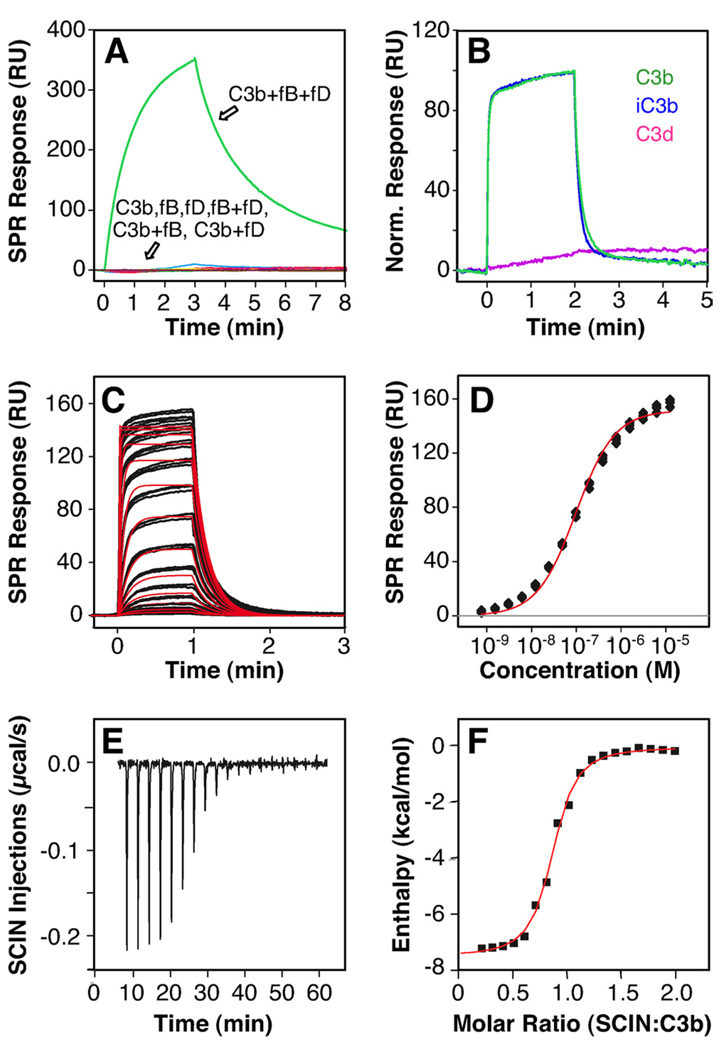
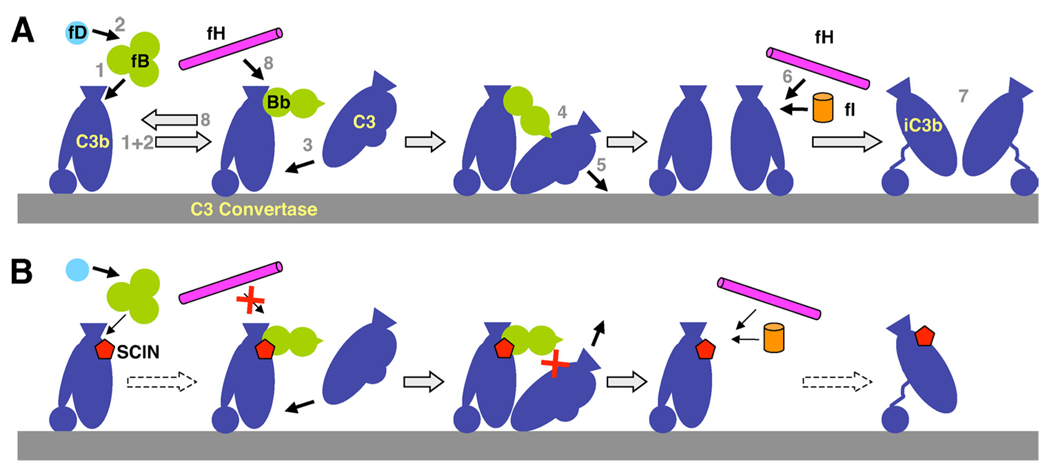
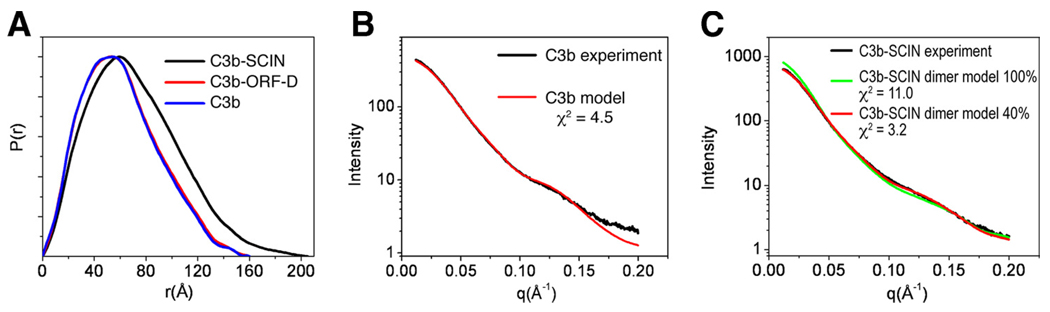
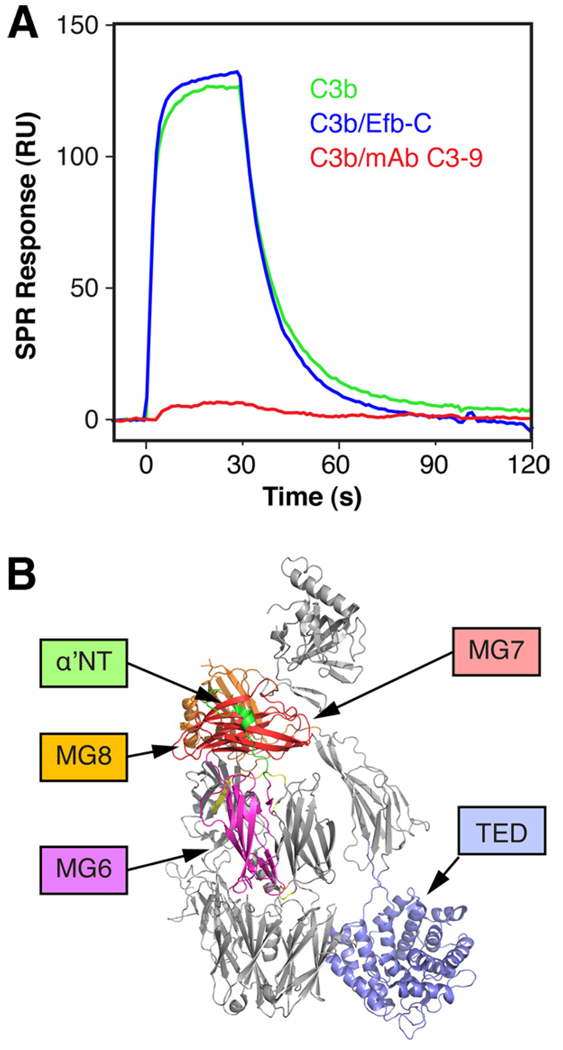
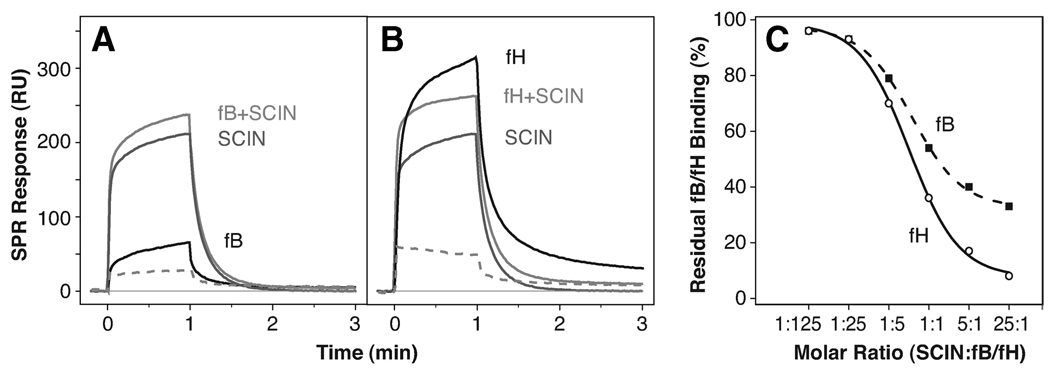
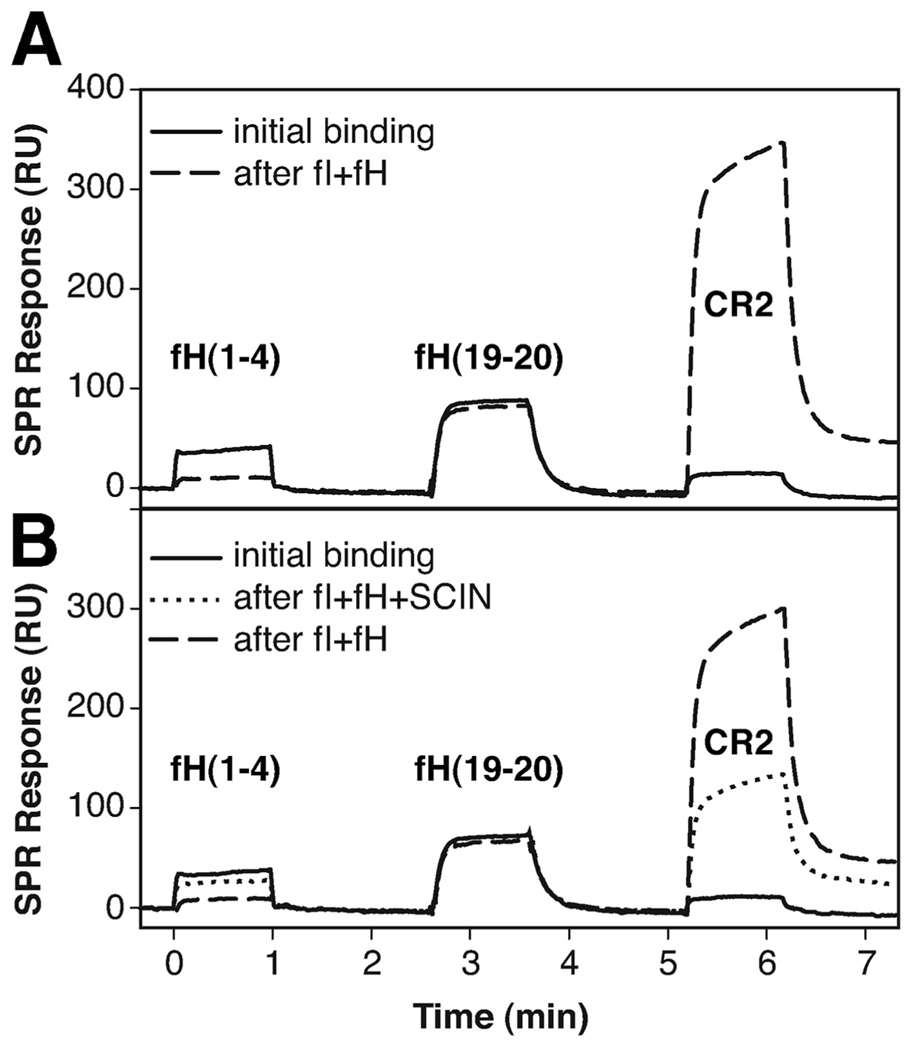
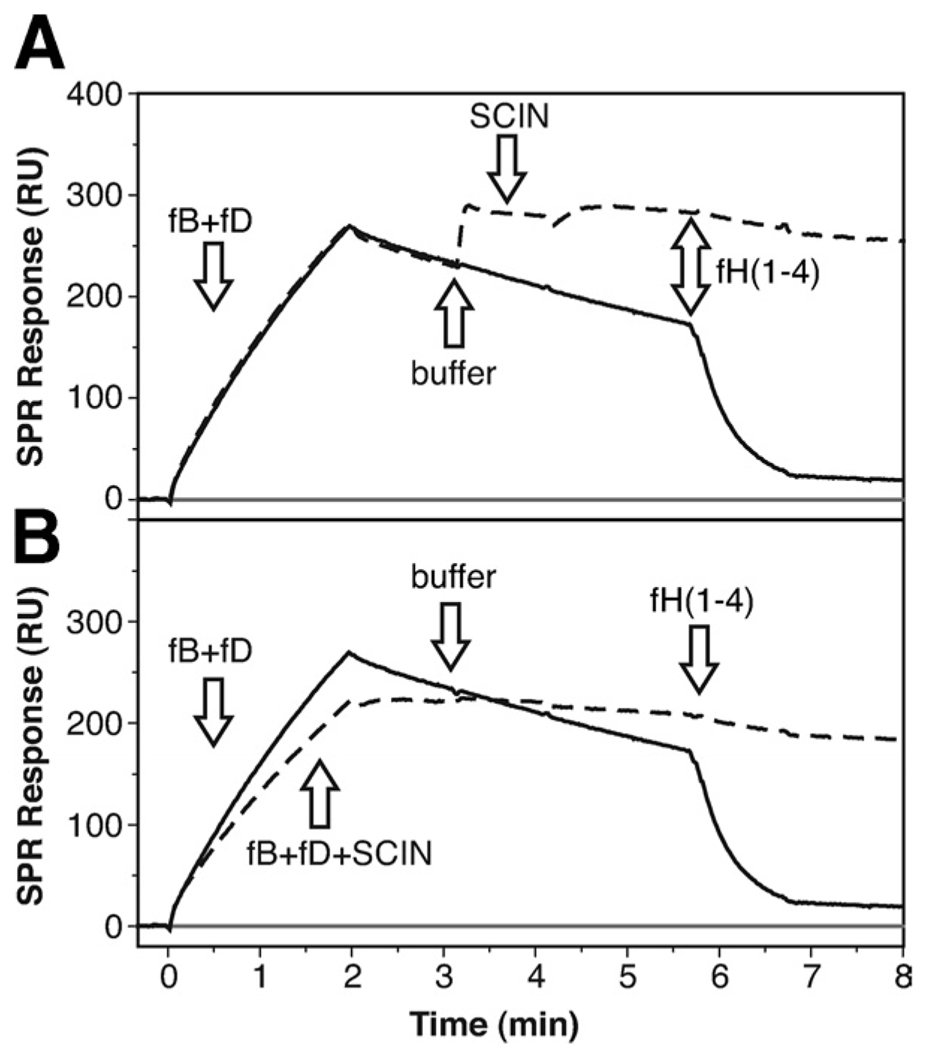
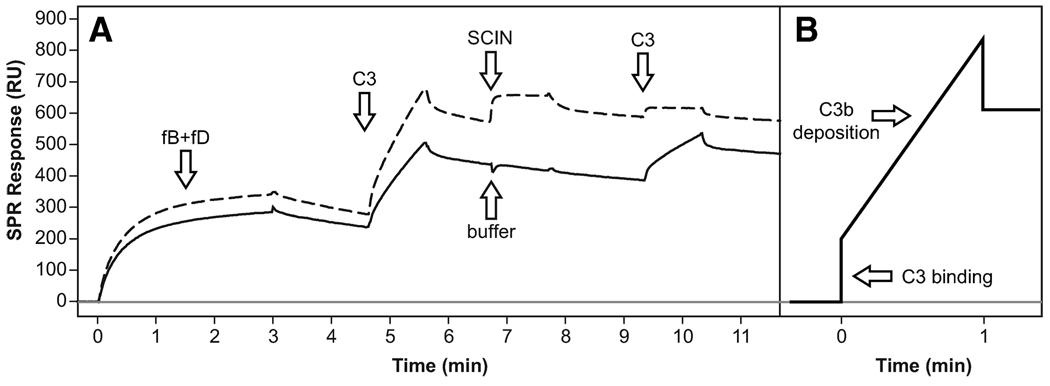
Staphylococcus aureus possesses an impressive arsenal of complement evasion proteins that help the bacterium escape attack of the immune system. The staphylococcal complement inhibitor (SCIN) protein exhibits a particularly high potency and was previously shown to block complement by acting at the level of the C3 convertases. However, many details about the exact binding and inhibitory mechanism remained unclear. In this study, we demonstrate that SCIN directly binds with nanomolar affinity to a functionally important area of C3b that lies near the C terminus of its beta-chain. Direct competition of SCIN with factor B for C3b slightly decreased the formation of surface-bound convertase. However, the main inhibitory effect can be attributed to an entrapment of the assembled convertase in an inactive state. Whereas native C3 is still able to bind to the blocked convertase, no generation and deposition of C3b could be detected in the presence of SCIN. Furthermore, SCIN strongly competes with the binding of factor H to C3b and influences its regulatory activities: the SCIN-stabilized convertase was essentially insensitive to decay acceleration by factor H and the factor I- and H-mediated conversion of surface-bound C3b to iC3b was significantly reduced. By targeting a key area on C3b, SCIN is able to block several essential functions within the alternative pathway, which explains the high potency of the inhibitor. Our findings provide an important insight into complement evasion strategies by S. aureus and may act as a base for further functional studies.
金黄色葡萄球菌拥有一系列令人印象深刻的补体逃避蛋白,这些蛋白有助于该细菌逃脱免疫系统的攻击。葡萄球菌补体抑制剂(SCIN)蛋白具有特别高的效力,先前已证明它通过作用于C3转化酶水平来阻断补体。然而,关于其确切结合和抑制机制的许多细节仍不清楚。在本研究中,我们证明SCIN以纳摩尔亲和力直接结合到C3bβ链C末端附近的一个功能重要区域。SCIN与B因子对C3b的直接竞争略微降低了表面结合转化酶的形成。然而,主要的抑制作用可归因于组装好的转化酶被困于非活性状态。虽然天然C3仍能结合到被阻断的转化酶上,但在存在SCIN的情况下未检测到C3b的生成和沉积。此外,SCIN强烈竞争H因子与C3b的结合并影响其调节活性:SCIN稳定的转化酶对H因子介导的衰变加速基本不敏感,并且H因子和I因子介导的表面结合C3b向iC3b的转化显著减少。通过靶向C3b上的一个关键区域,SCIN能够阻断替代途径中的几种基本功能,这解释了该抑制剂的高效力。我们的发现为金黄色葡萄球菌的补体逃避策略提供了重要见解,并可能作为进一步功能研究的基础。