Payne S J, Selb J, Boas D A
Institute of Biomedical Engineering, Department of Engineering Science, University of Oxford, Oxford, UK.
Ann Biomed Eng. 2009 Nov;37(11):2288-98. doi: 10.1007/s10439-009-9763-5. Epub 2009 Jul 24.
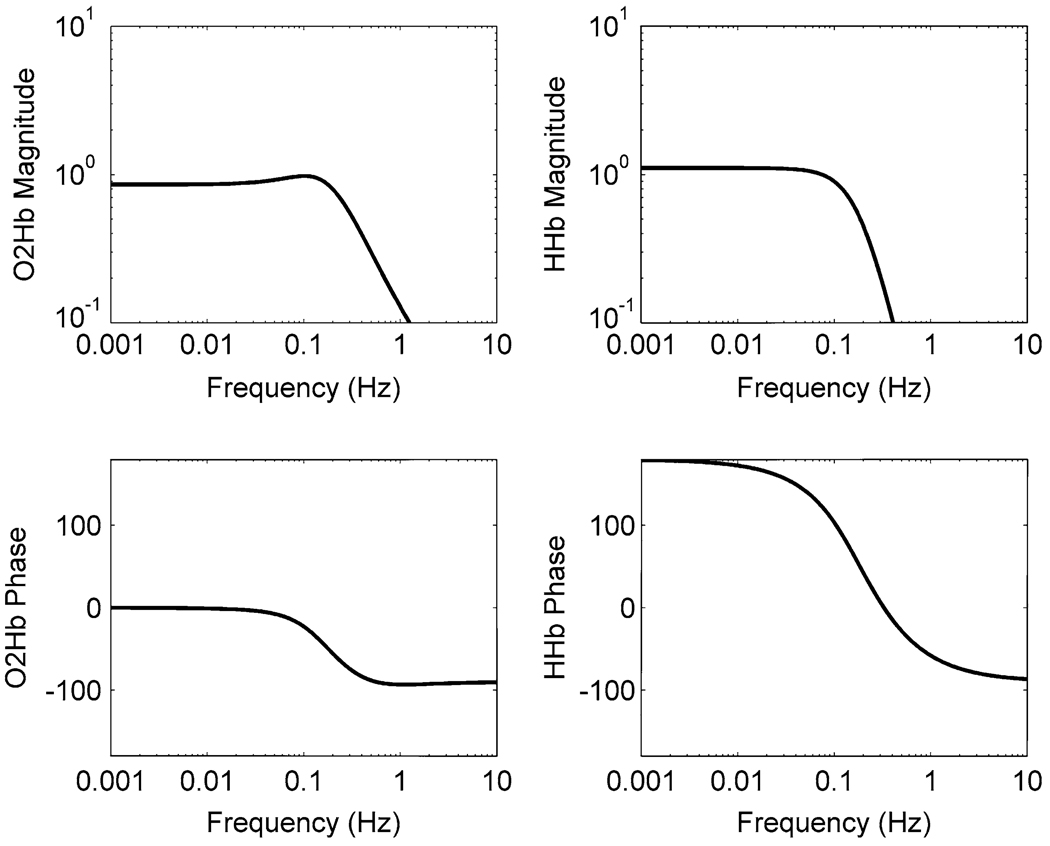
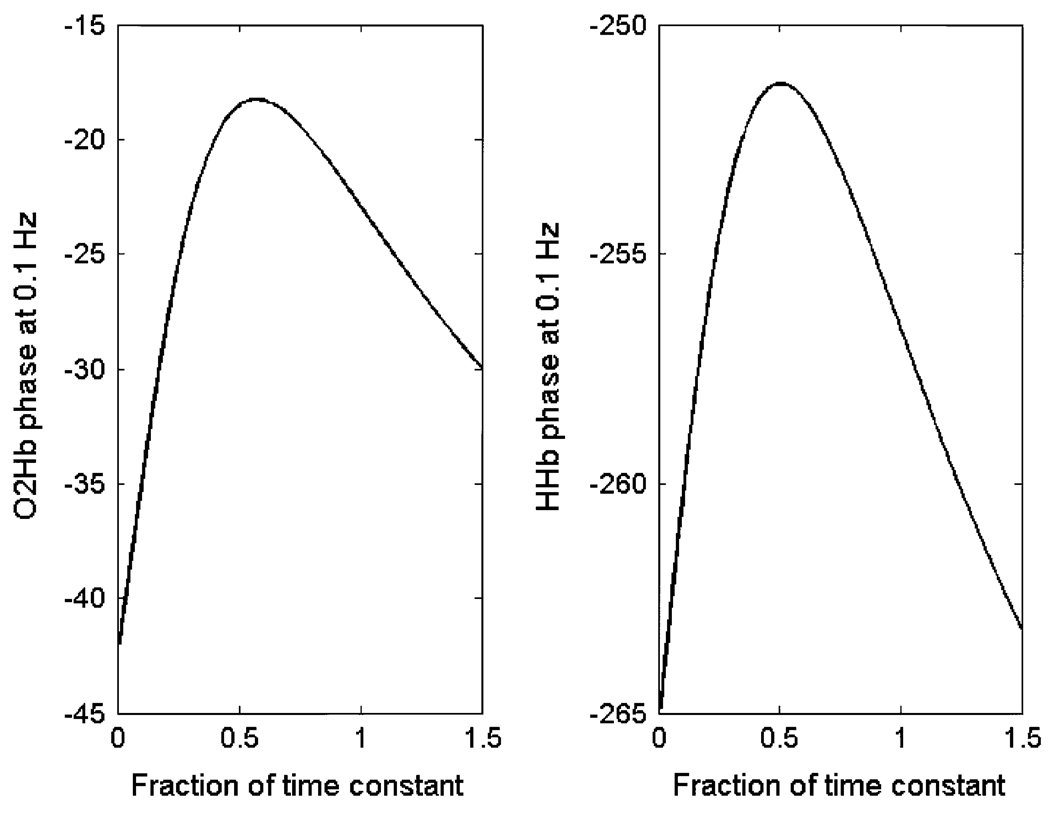
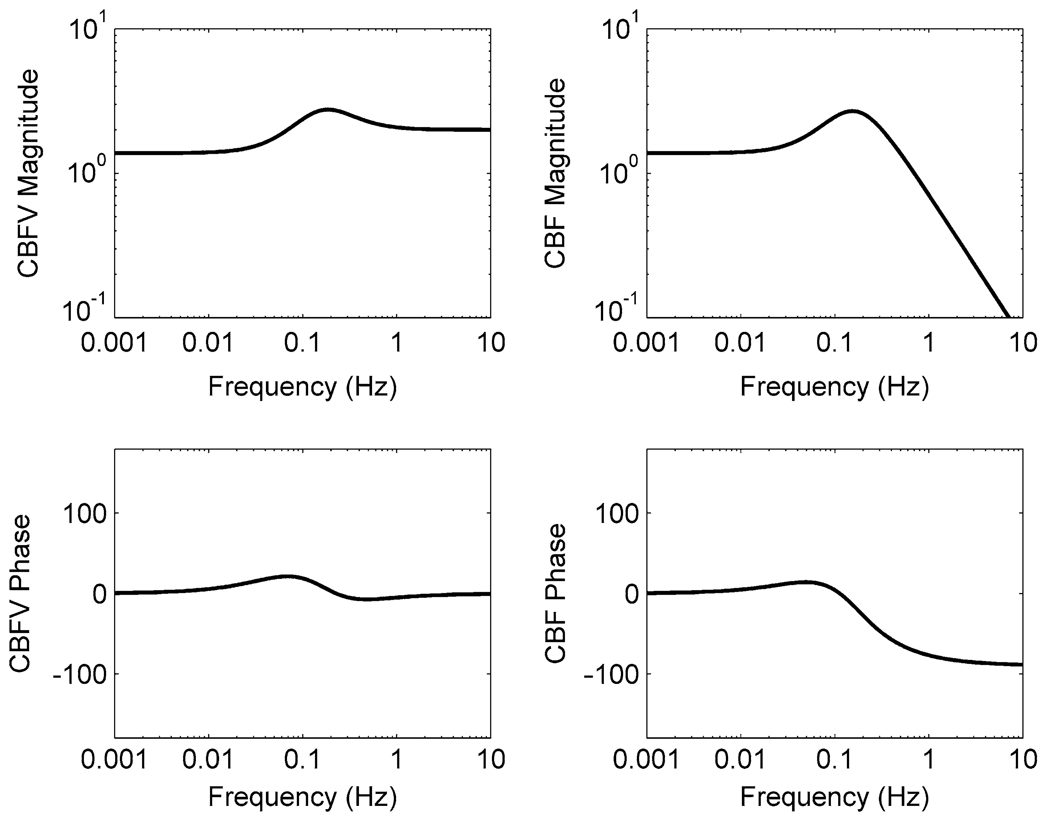
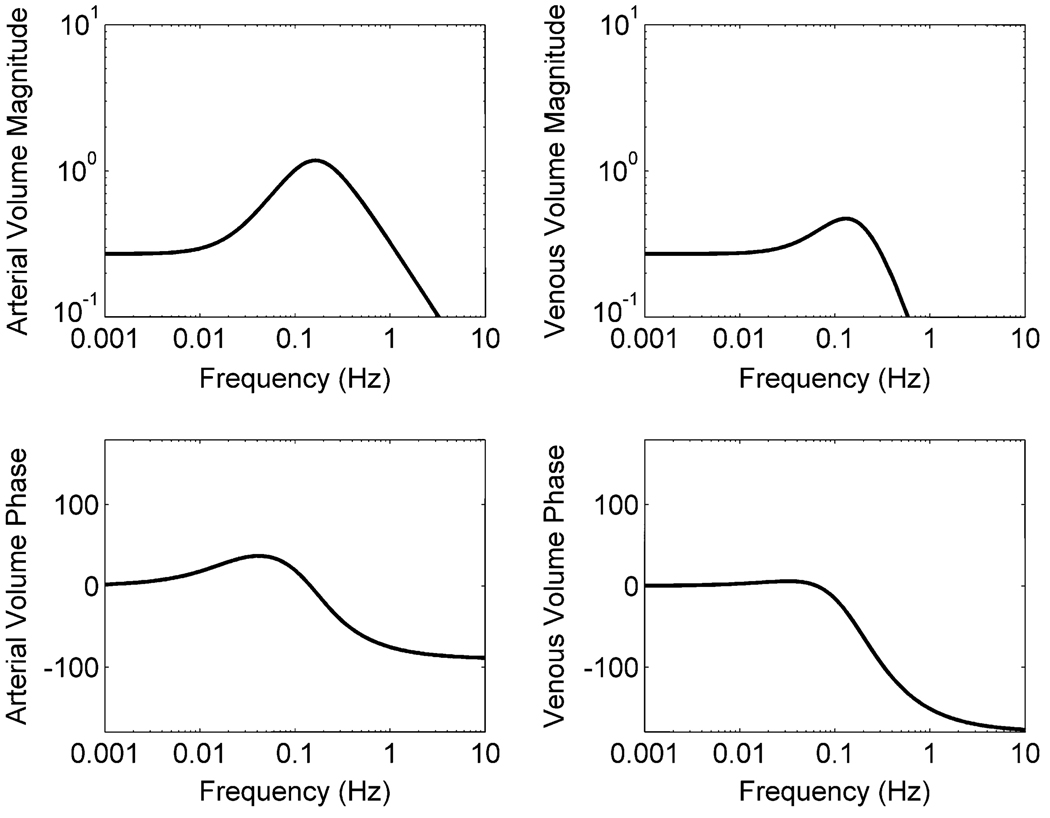
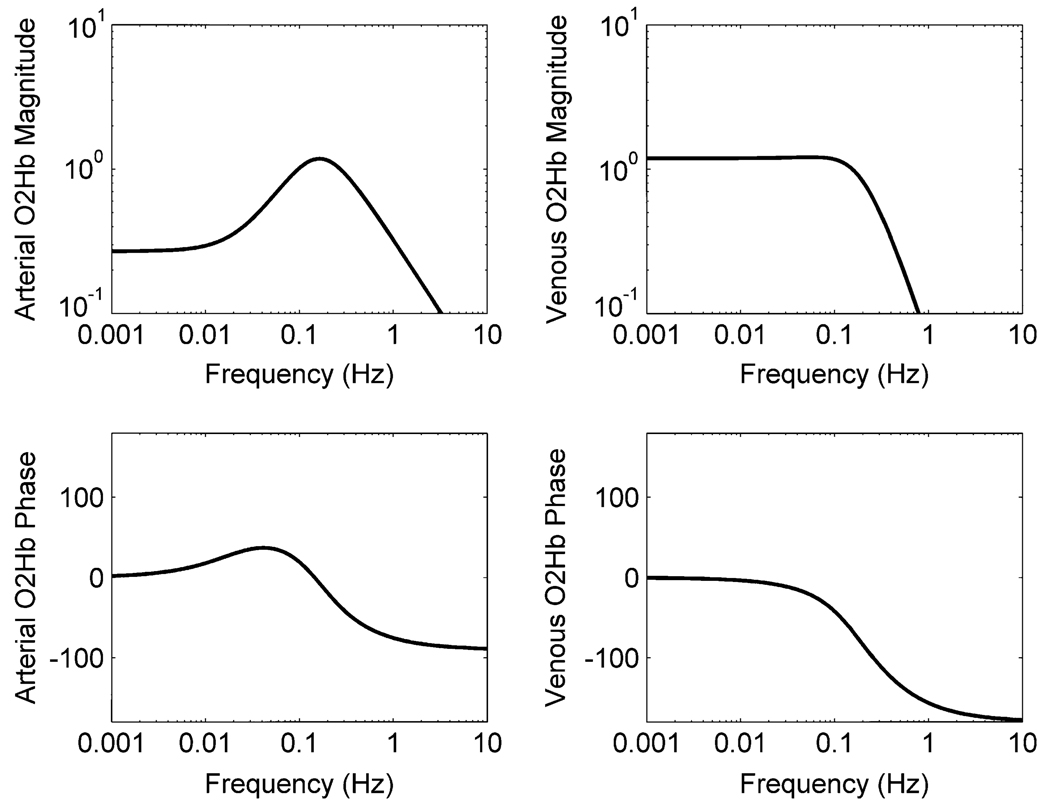
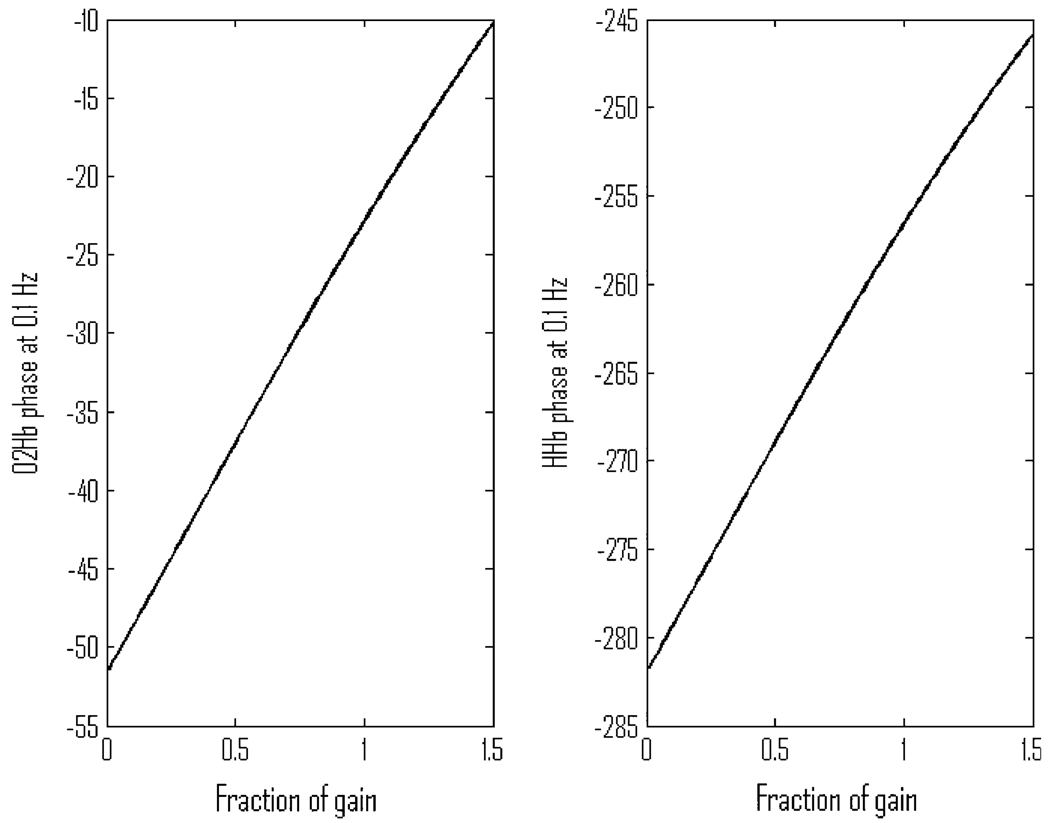
Both autoregulation and CO(2) reactivity are known to have significant effects on cerebral blood flow and thus on the transport of oxygen through the vasculature. In this paper, a previous model of the autoregulation of blood flow in the cerebral vasculature is expanded to include the dynamic behavior of oxygen transport through binding with hemoglobin. The model is used to predict the transfer functions for both oxyhemoglobin and deoxyhemoglobin in response to fluctuations in arterial blood pressure and arterial CO(2) concentration. It is shown that only six additional nondimensional groups are required in addition to the five that were previously found to characterize the cerebral blood flow response. A resonant frequency in the pressure-oxyhemoglobin transfer function is found to occur in the region of 0.1 Hz, which is a frequency of considerable physiological interest. The model predictions are compared with results from the published literature of phase angle at this frequency, showing that the effects of changes in breathing rate can significantly alter the inferred phase dynamics between blood pressure and hemoglobin. The question of whether dynamic cerebral autoregulation is affected under conditions of stenosis or stroke is then examined.
已知自动调节和二氧化碳反应性对脑血流量有显著影响,进而对通过血管系统的氧气运输产生影响。在本文中,先前关于脑血管系统血流自动调节的模型得到扩展,以纳入氧气通过与血红蛋白结合进行运输的动态行为。该模型用于预测氧合血红蛋白和脱氧血红蛋白响应动脉血压和动脉二氧化碳浓度波动的传递函数。结果表明,除了先前发现的用于表征脑血流反应的五个无量纲组外,仅需另外六个无量纲组。在压力 - 氧合血红蛋白传递函数中发现共振频率出现在0.1Hz区域,这是一个具有相当生理意义的频率。将模型预测结果与该频率下已发表文献中的相角结果进行比较,结果表明呼吸频率变化的影响可显著改变血压与血红蛋白之间推断的相位动态。随后研究了在狭窄或中风情况下动态脑自动调节是否受到影响的问题。