Department of Physical Therapy, Neag School of Education, University of Connecticut, Storrs, USA.
J Neuroeng Rehabil. 2009 Jul 30;6:30. doi: 10.1186/1743-0003-6-30.
Spasticity is a common impairment accompanying stroke. Spasticity of the quadriceps femoris muscle can be quantified using the pendulum test. The measurement properties of pendular kinematics captured using a magnetic tracking system has not been studied among patients who have experienced a stroke. Therefore, this study describes the test-retest reliability and known groups and convergent validity of the pendulum test measures obtained with the Polhemus tracking system.
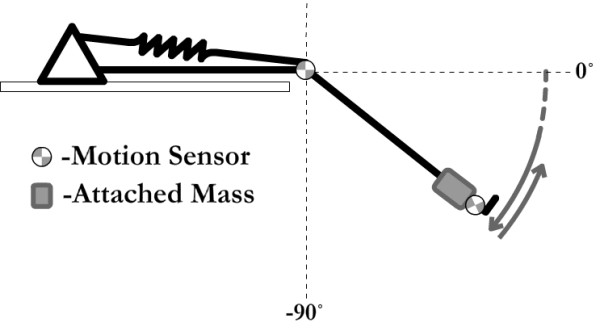
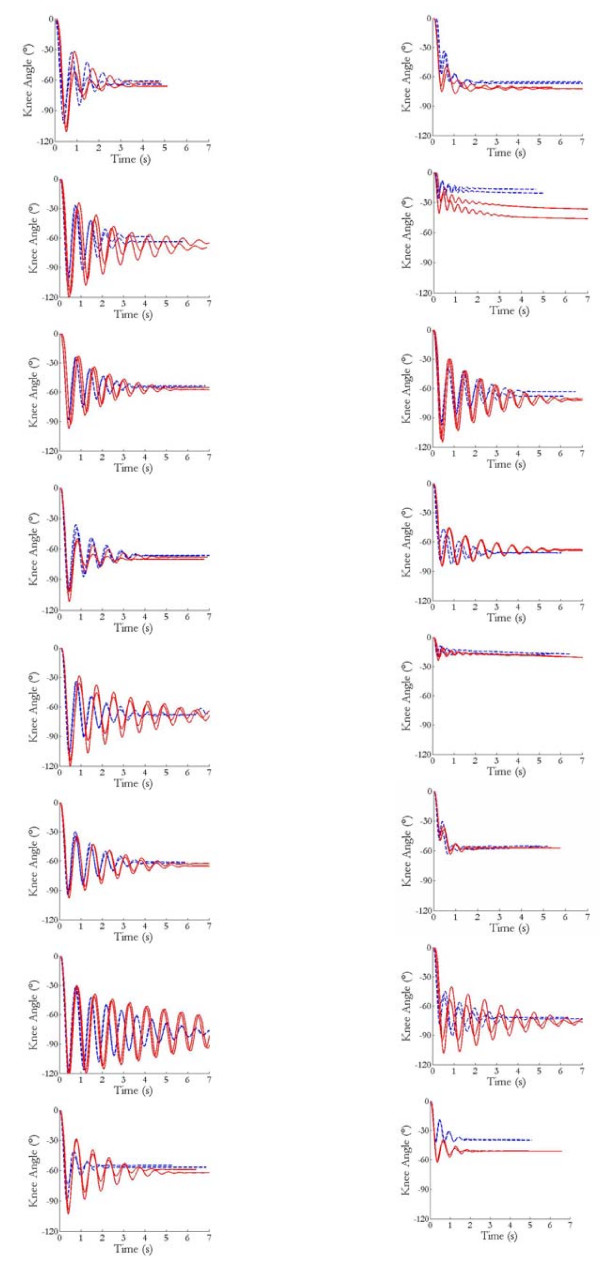
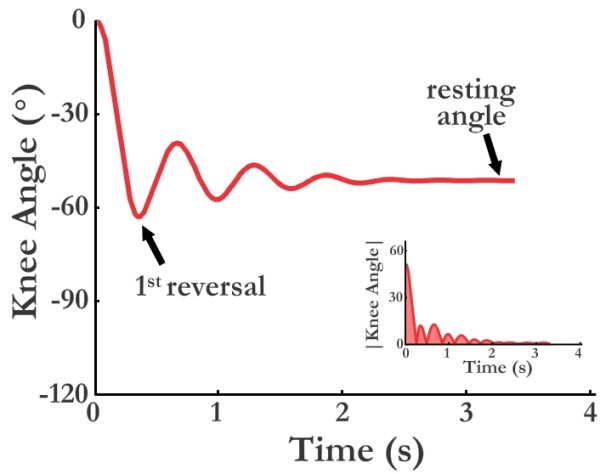
Eight patients with chronic stroke underwent pendulum tests with their affected and unaffected lower limbs, with and without the addition of a 2.2 kg cuff weight at the ankle, using the Polhemus magnetic tracking system. Also measured bilaterally were knee resting angles, Ashworth scores (grades 0-4) of quadriceps femoris muscles, patellar tendon (knee jerk) reflexes (grades 0-4), and isometric knee extension force.
Three measures obtained from pendular traces of the affected side were reliable (intraclass correlation coefficient > or = .844). Known groups validity was confirmed by demonstration of a significant difference in the measurements between sides. Convergent validity was supported by correlations > or = .57 between pendulum test measures and other measures reflective of spasticity.
Pendulum test measures obtained with the Polhemus tracking system from the affected side of patients with stroke have good test-retest reliability and both known groups and convergent validity.
痉挛是中风后常见的一种障碍。股四头肌的痉挛可以通过钟摆试验进行量化。使用磁跟踪系统捕捉的摆动力学的测量特性尚未在经历过中风的患者中进行研究。因此,本研究描述了使用 Polhemus 跟踪系统获得的钟摆试验测量值的重测信度、已知组和收敛效度。
8 名慢性中风患者接受了钟摆试验,分别对其患侧和健侧下肢进行了试验,在踝关节处附加或不附加 2.2 公斤的袖带重量,使用 Polhemus 磁跟踪系统。还对双侧膝关节静息角度、股四头肌的 Ashworth 评分(0-4 级)、髌腱反射(膝反射)(0-4 级)和等长膝关节伸展力进行了测量。
从患侧钟摆轨迹获得的 3 个测量值具有可靠性(组内相关系数>或=.844)。通过证明两侧测量值之间存在显著差异,证实了已知组有效性。钟摆试验测量值与反映痉挛的其他测量值之间的相关性>或=.57,支持了收敛效度。
使用 Polhemus 跟踪系统从中风患者患侧获得的钟摆试验测量值具有良好的重测信度以及已知组和收敛效度。