de Vries V C, Wasiuk A, Bennett K A, Benson M J, Elgueta R, Waldschmidt T J, Noelle R J
Department of Microbiology and Immunology, Dartmouth Medical School and Norris Cotton Cancer Center, Lebanon, NH, USA.
Am J Transplant. 2009 Oct;9(10):2270-80. doi: 10.1111/j.1600-6143.2009.02755.x. Epub 2009 Jul 22.
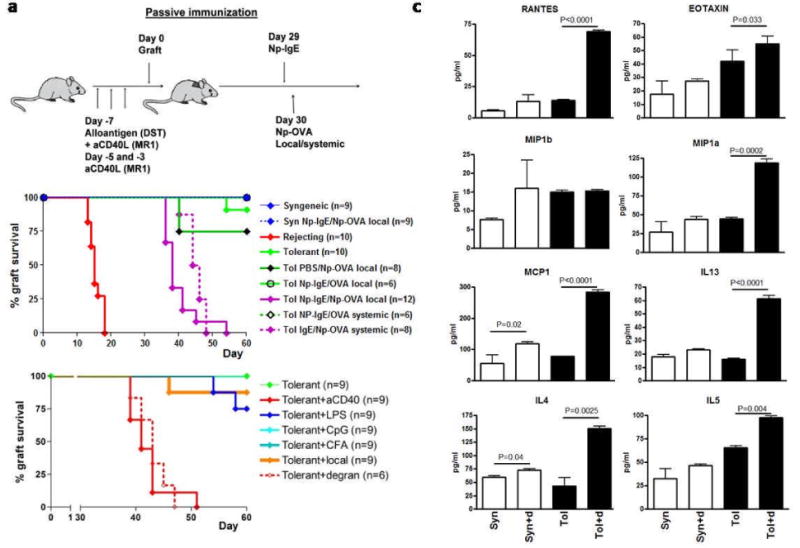
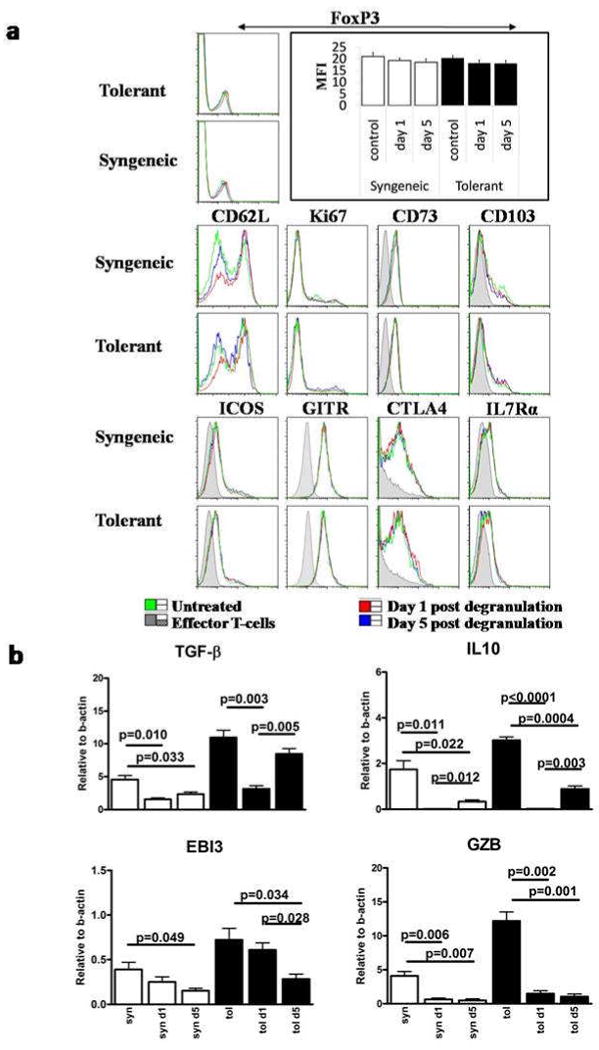
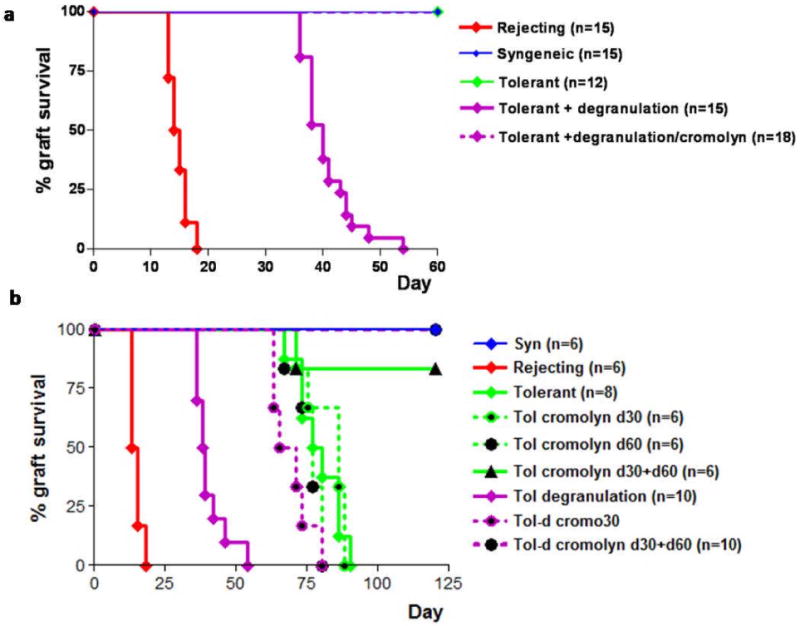
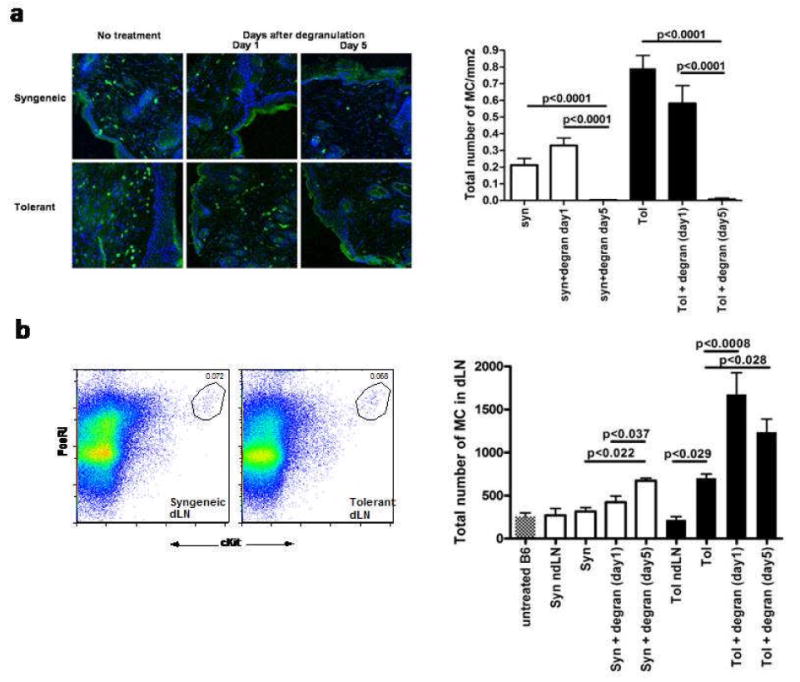
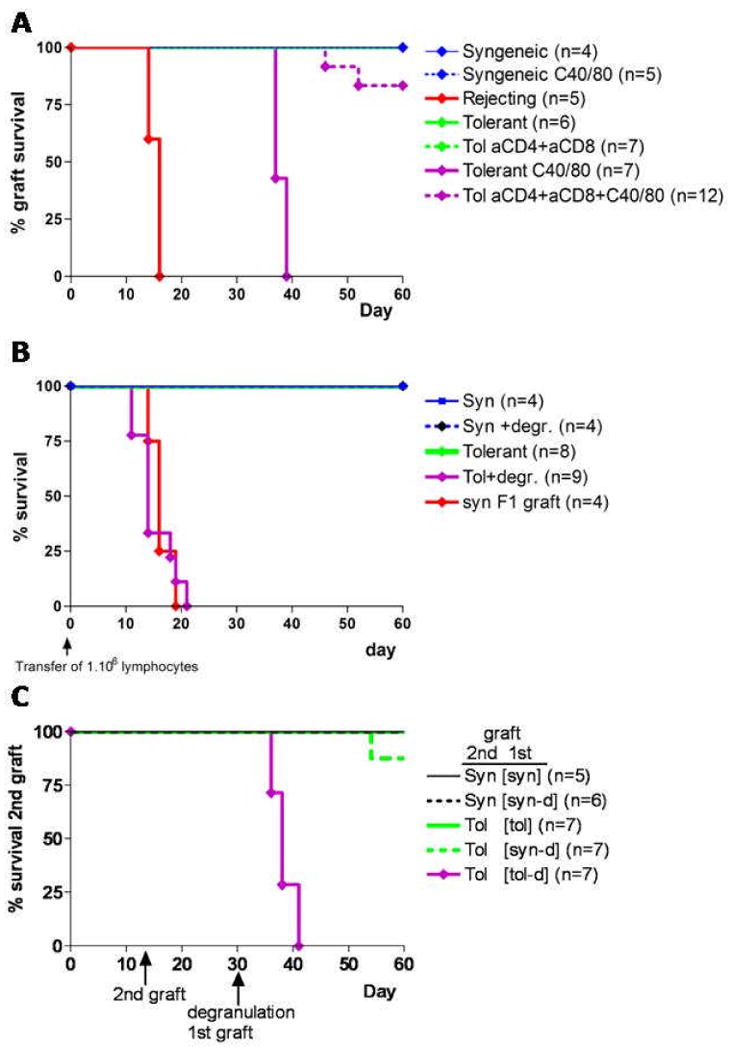
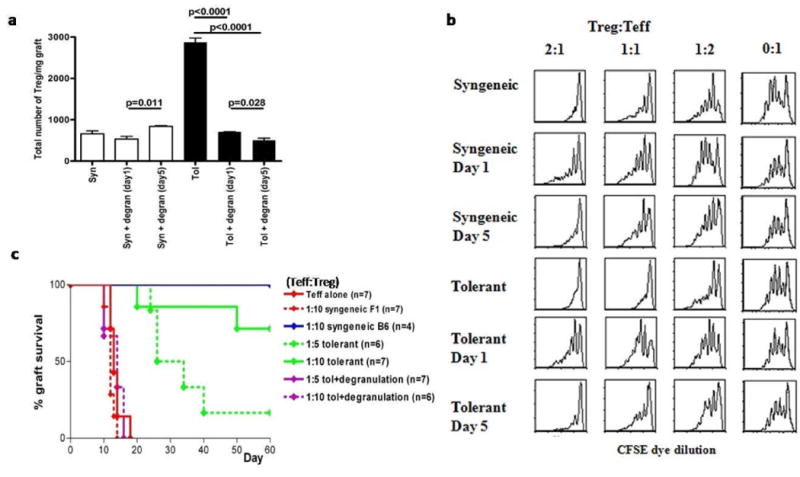
Mast cells (MC) have been shown to mediate regulatory T-cell (T(reg))-dependent, peripheral allograft tolerance in both skin and cardiac transplants. Furthermore, T(reg) have been implicated in mitigating IgE-mediated MC degranulation, establishing a dynamic, reciprocal relationship between MC and T(reg) in controlling inflammation. In an allograft tolerance model, it is now shown that intragraft or systemic MC degranulation results in the transient loss of T(reg) suppressor activities with the acute, T-cell dependent rejection of established, tolerant allografts. Upon degranulation, MC mediators can be found in the skin, T(reg) rapidly leave the graft, MC accumulate in the regional lymph node and the T(reg) are impaired in the expression of suppressor molecules. Such a dramatic reversal of T(reg) function and tissue distribution by MC degranulation underscores how allergy may causes the transient breakdown of peripheral tolerance and episodes of acute T-cell inflammation.
肥大细胞(MC)已被证明在皮肤和心脏移植中介导调节性T细胞(T(reg))依赖性的外周移植耐受。此外,T(reg)与减轻IgE介导的MC脱颗粒有关,在控制炎症方面在MC和T(reg)之间建立了动态的相互关系。在同种异体移植耐受模型中,现已表明,移植内或全身性MC脱颗粒会导致T(reg)抑制活性的短暂丧失,并伴有已建立耐受的同种异体移植的急性、T细胞依赖性排斥反应。脱颗粒时,可在皮肤中发现MC介质,T(reg)迅速离开移植物,MC在区域淋巴结中积聚,且T(reg)在抑制分子的表达方面受损。MC脱颗粒导致T(reg)功能和组织分布如此显著的逆转,突出了过敏如何可能导致外周耐受的短暂破坏和急性T细胞炎症发作。