Heyman Richard E, Hunt-Martorano Ashley N, Malik Jill, Slep Amy M Smith
Department of Psychology, Stony Brook University, State University of New York, Stony Brook, NY 11794, USA.
J Fam Psychol. 2009 Aug;23(4):474-84. doi: 10.1037/a0015980.
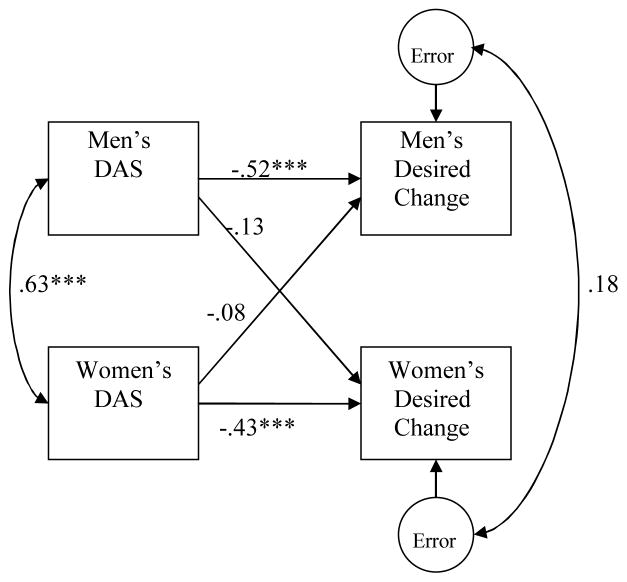
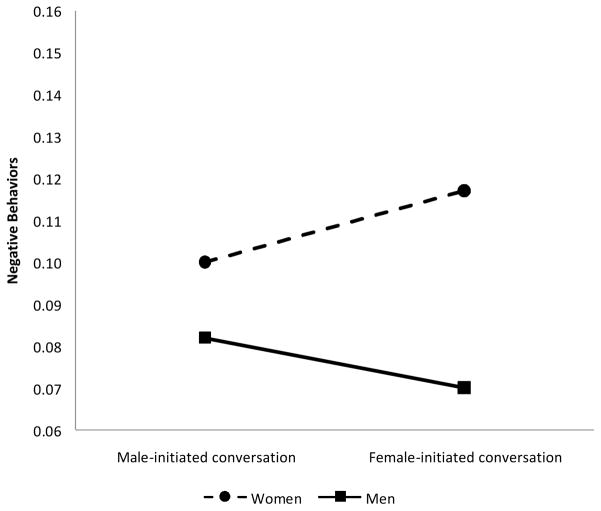
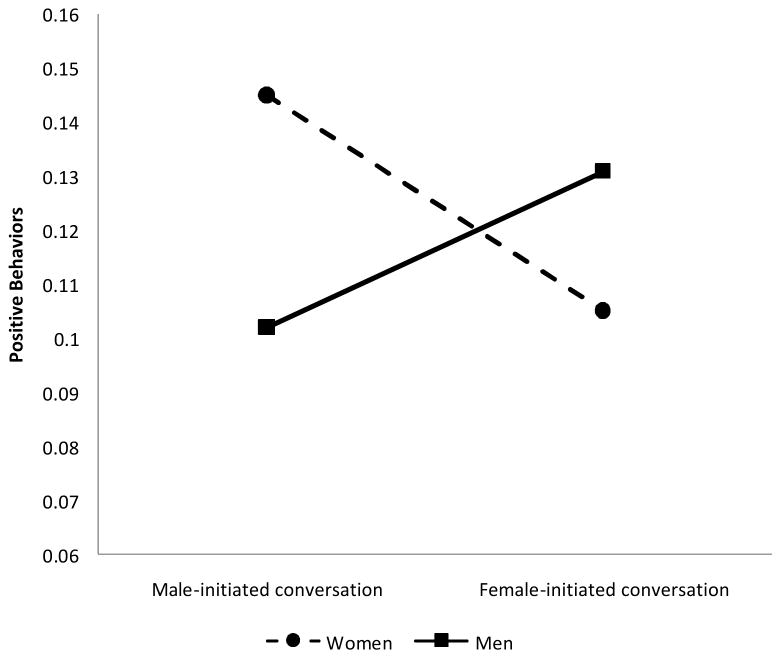
Using a sample (N = 453) drawn from a representative sampling frame of couples who are married or living together and have a 3 to 7 year-old child, this study investigates (a) the amount and specific areas of change desired by men and women, (b) the relation between relationship adjustment and desired change; and (c) the ways in which partners negotiate change. On the Areas of Change Questionnaire, women compared with men, wanted greater increases in their partners' emotional and companionate behaviors, instrumental support, and parenting involvement; men wanted greater increases in sex. Using the Actor-Partner Interdependence Model (Kenny, 1996), both men's and women's relationship adjustment predicted desired change (i.e., actor effects), over and above the effects of their partners' adjustment (i.e., partner effects); partner effects were not significant. Each couple was also observed discussing the man's and the woman's top desired change area. Both men and women behaved more positively during the partner-initiated conversations than during their own-initiated conversations. Women, compared with men, were more negative in their own and in their partners' conversations.
本研究使用一个样本(N = 453),该样本取自具有代表性的抽样框架,样本中的夫妻已婚或同居,且育有一名3至7岁的孩子。本研究调查了:(a)男性和女性期望改变的程度及具体领域;(b)关系调适与期望改变之间的关系;以及(c)伴侣协商改变的方式。在“改变领域问卷”中,与男性相比,女性希望伴侣在情感和陪伴行为、工具性支持以及育儿参与方面有更大程度的增加;男性则希望在性行为方面有更大程度的增加。使用“行动者-伙伴相互依赖模型”(肯尼,1996),男性和女性的关系调适都预测了期望的改变(即行动者效应),超出了其伴侣调适的影响(即伙伴效应);伙伴效应不显著。研究还观察了每对夫妻讨论男性和女性最期望改变的领域的情况。在由伴侣发起的对话中,男性和女性的表现都比在自己发起的对话中更积极。与男性相比,女性在自己发起的对话和伴侣发起的对话中都更消极。