Lafdil Fouad, Wang Hua, Park Ogyi, Zhang Weici, Moritoki Yuki, Yin Shi, Fu Xin Yuan, Gershwin M Eric, Lian Zhe-Xiong, Gao Bin
Section on Liver Biology, Laboratory of Physiologic Studies, National Institute on Alcohol Abuse and Alcoholism, National Institutes of Health, Bethesda, Maryland.
Gastroenterology. 2009 Dec;137(6):2125-35.e1-2. doi: 10.1053/j.gastro.2009.08.004. Epub 2009 Aug 15.
BACKGROUND & AIMS: T cell-mediated hepatitis is a leading cause of acute liver failure; there is no effective treatment, and the mechanisms underlying its pathogenesis are obscure. The aim of this study was to investigate the immune cell-signaling pathways involved-specifically the role of signal transducer and activator of transcription 3 (STAT3)-in T cell-mediated hepatitis in mice.
T cell-mediated hepatitis was induced in mice by injection of concanavalin A (Con A). Mice with myeloid cell-specific and T-cell-specific deletion of STAT3 were generated.
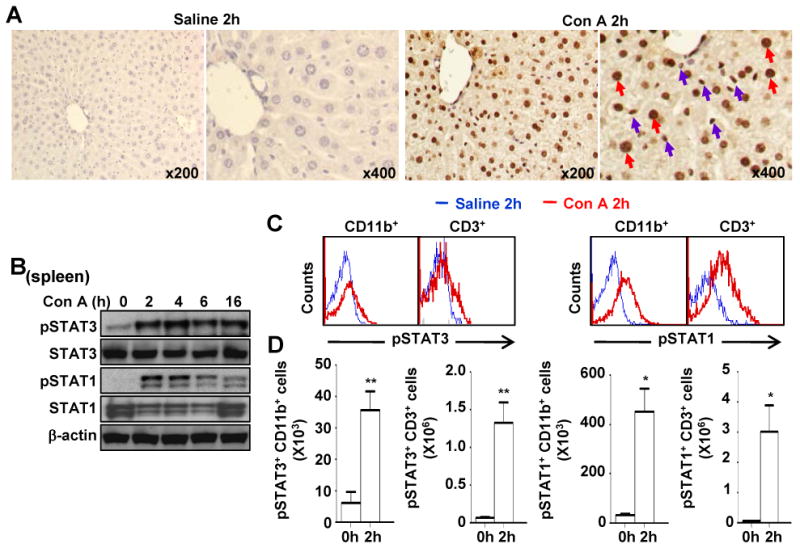
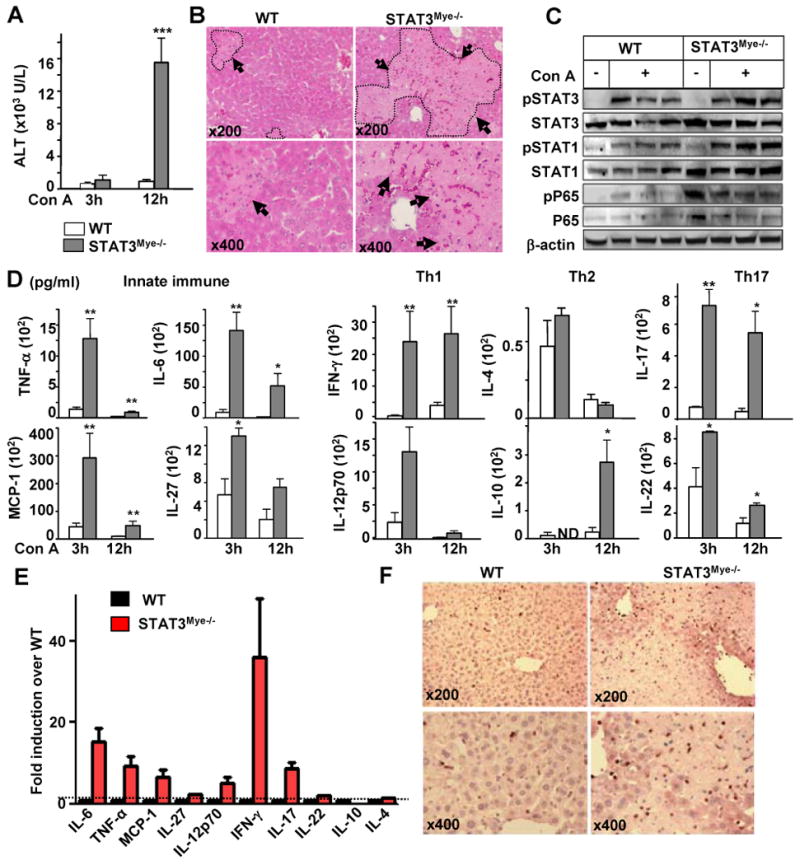
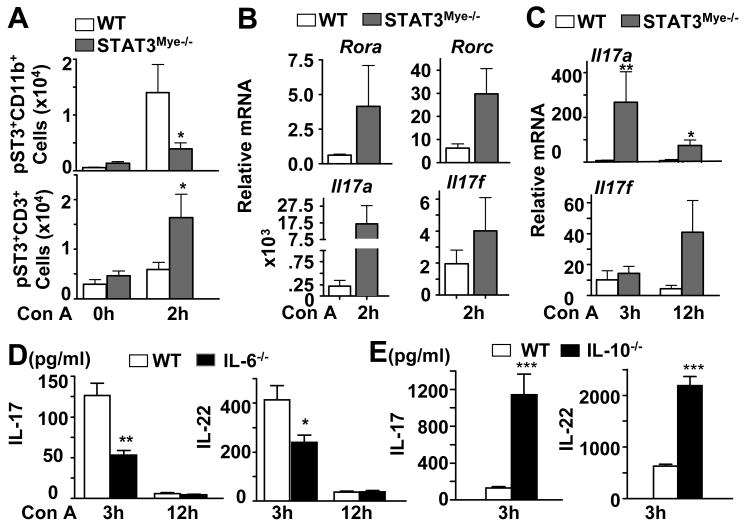
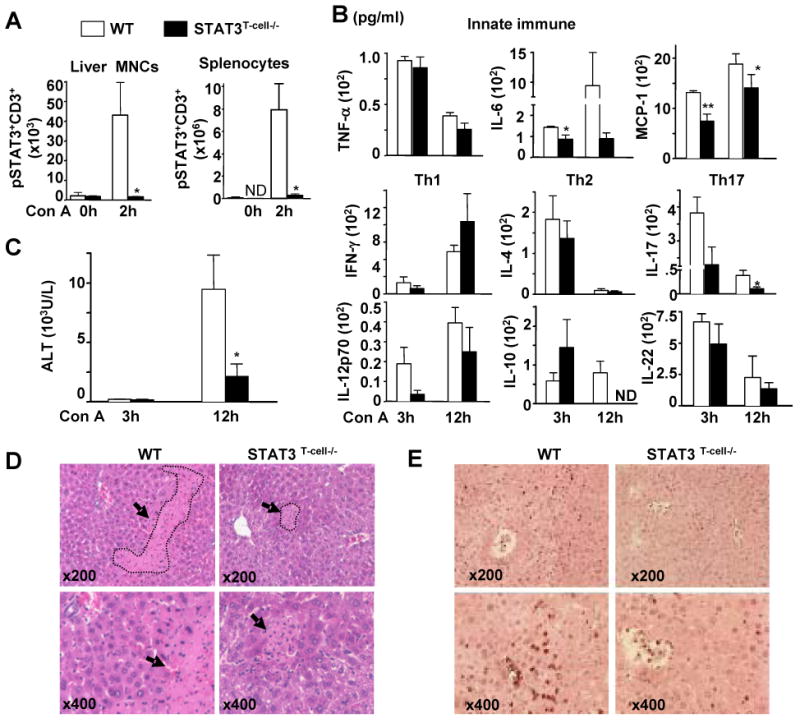
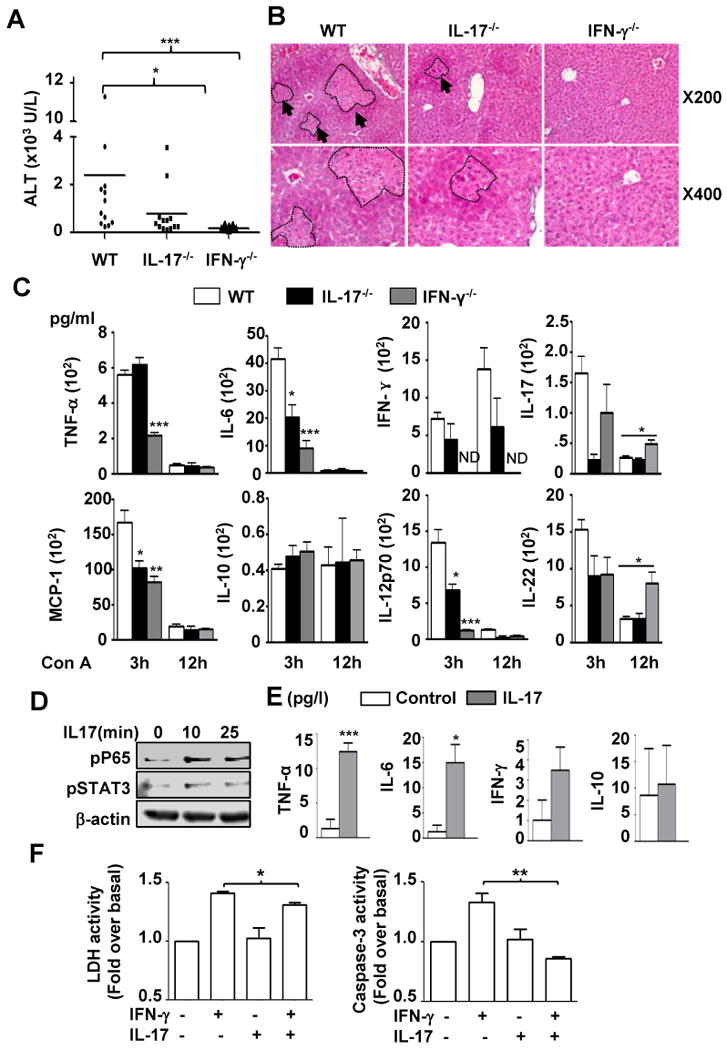
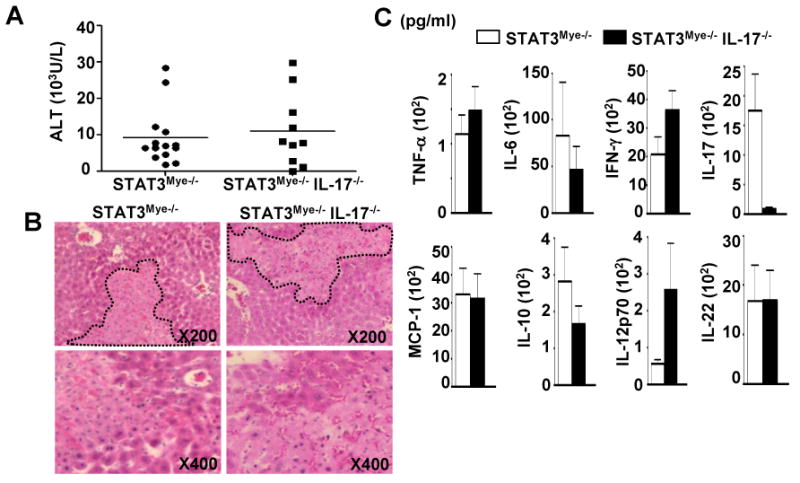
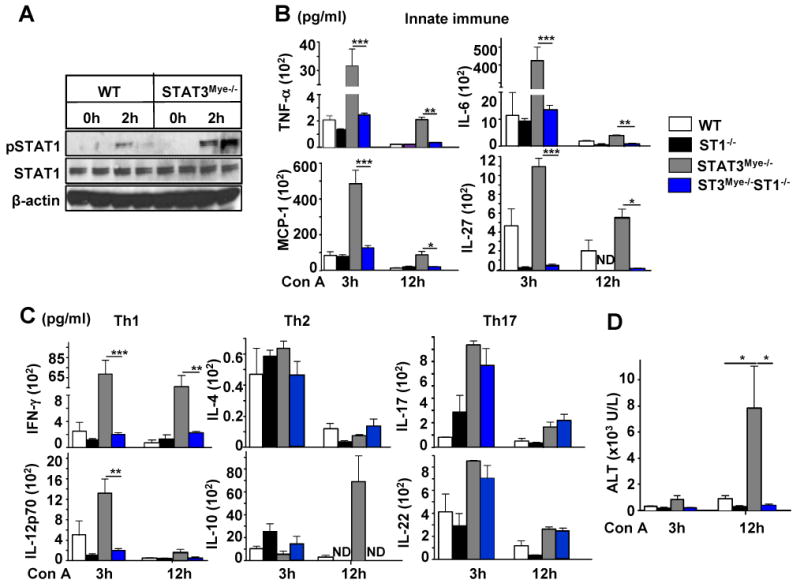
STAT3 was activated in myeloid and T cells following Con A injection. Deletion of STAT3 specifically from myeloid cells exacerbated T-cell hepatitis and induced STAT1-dependent production of a T helper cell (Th)1 cytokine (interferon [IFN]-gamma) and to a lesser extent of Th17 cytokines (interleukin [IL]-17 and IL-22) in a STAT1-independent manner. In contrast, deletion of STAT3 in T cells reduced T cell-mediated hepatitis and IL-17 production. Furthermore, deletion of IFN-gamma completely abolished Con A-induced T-cell hepatitis, whereas deletion of IL-17 slightly but significantly reduced such injury. In vitro experiments indicated that IL-17 promoted liver inflammation but inhibited hepatocyte apoptosis.
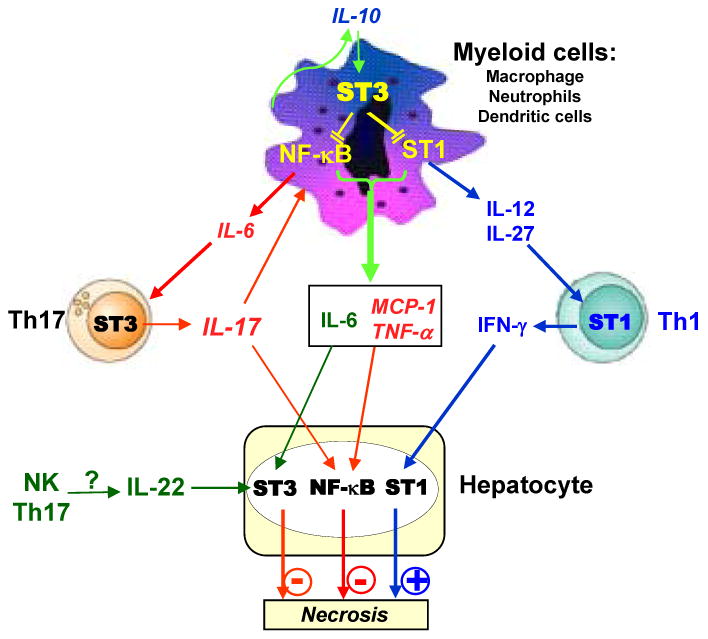
Myeloid STAT3 activation inhibits T cell-mediated hepatitis via suppression of a Th1 cytokine (IFN-gamma) in a STAT1-dependent manner, whereas STAT3 activation in T cells promotes T-cell hepatitis to a lesser extent, via induction of IL-17. Therefore, activation of STAT3 in myeloid cells could be a novel therapeutic strategy for patients with T-cell hepatitis.
T细胞介导的肝炎是急性肝衰竭的主要原因;目前尚无有效治疗方法,其发病机制也尚不明确。本研究旨在探讨参与T细胞介导的肝炎的免疫细胞信号通路,特别是信号转导和转录激活因子3(STAT3)在小鼠T细胞介导的肝炎中的作用。
通过注射刀豆蛋白A(Con A)在小鼠中诱导T细胞介导的肝炎。构建了骨髓细胞特异性和T细胞特异性缺失STAT3的小鼠。
注射Con A后,骨髓细胞和T细胞中的STAT3被激活。特异性从骨髓细胞中删除STAT3会加剧T细胞肝炎,并以STAT1非依赖的方式诱导T辅助细胞(Th)1细胞因子(干扰素[IFN]-γ)的产生,以及在较小程度上诱导Th17细胞因子(白细胞介素[IL]-17和IL-22)的产生。相反,在T细胞中删除STAT3可减轻T细胞介导的肝炎和IL-17的产生。此外,删除IFN-γ可完全消除Con A诱导的T细胞肝炎,而删除IL-17则可轻微但显著减轻这种损伤。体外实验表明,IL-17促进肝脏炎症,但抑制肝细胞凋亡。
骨髓细胞中STAT3的激活通过以STAT1依赖的方式抑制Th1细胞因子(IFN-γ)来抑制T细胞介导的肝炎,而T细胞中STAT3的激活通过诱导IL-17在较小程度上促进T细胞肝炎。因此,激活骨髓细胞中的STAT3可能是T细胞肝炎患者的一种新的治疗策略。