Li Chiang-Shan Ray, Zhang Sheng, Duann Jeng-Ren, Yan Peisi, Sinha Rajita, Mazure Carolyn M
Brain Imaging Behav. 2009 Sep;3(3):262-276. doi: 10.1007/s11682-009-9068-1. Epub 2009 May 5.
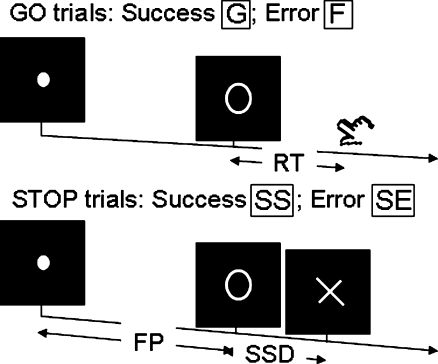
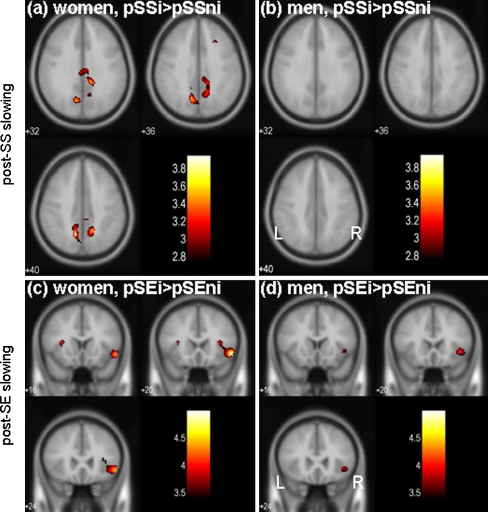
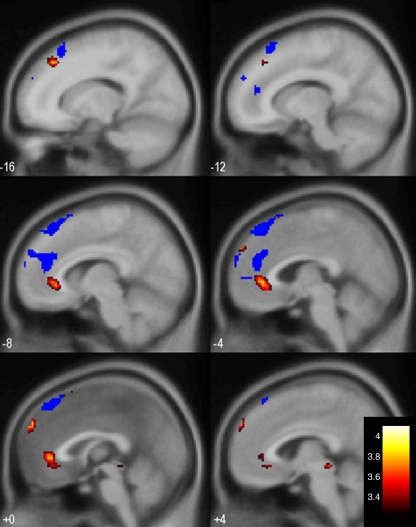
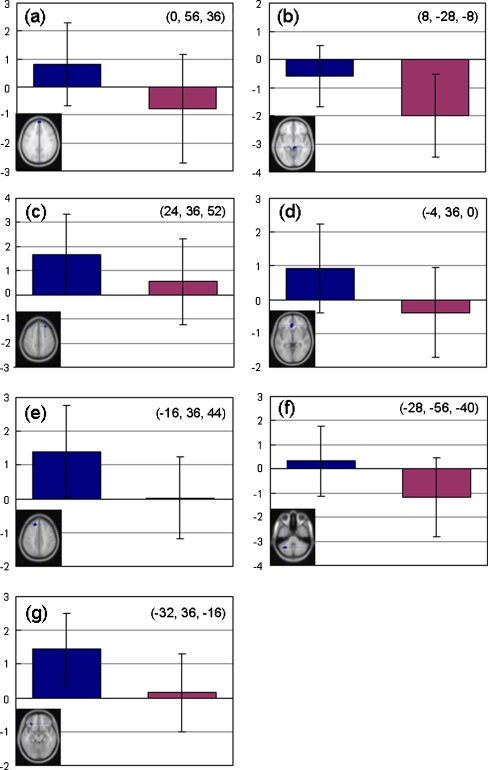
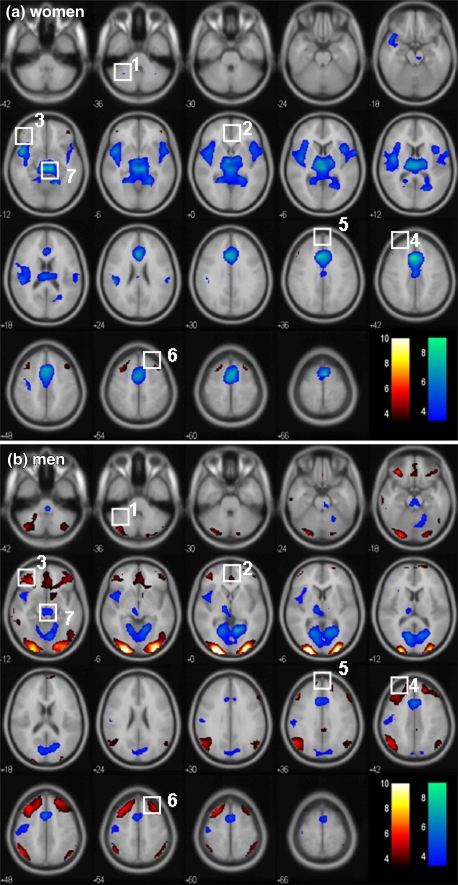
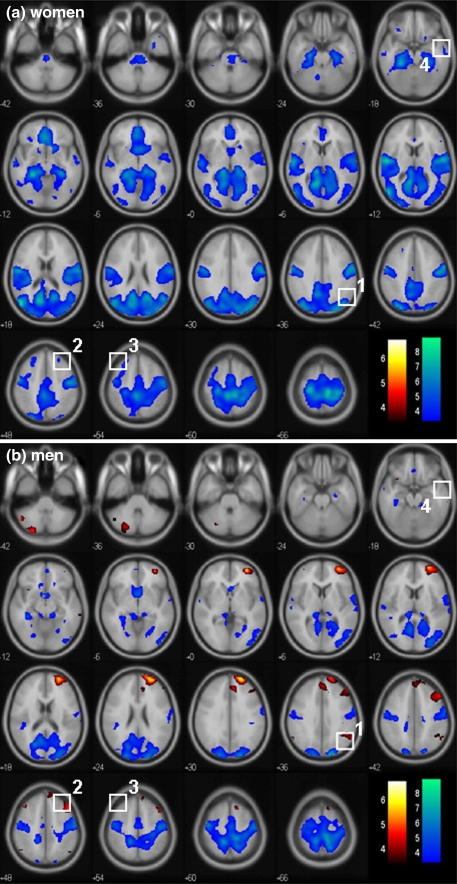
Men and women show important differences in clinical conditions in which deficits in cognitive control are implicated. We used functional magnetic resonance imaging to examine gender differences in the neural processes of cognitive control during a stop-signal task. We observed greater activation in men, compared to women, in a wide array of cortical and sub-cortical areas, during stop success (SS) as compared to stop error (SE). Conversely, women showed greater regional brain activation during SE > SS, compared to men. Furthermore, compared to women, men engaged the right inferior parietal lobule to a greater extent during post-SE go compared to post-go go trials. Women engaged greater posterior cingulate cortical activation than men during post-SS slowing in go trial reaction time (RT) but did not differ during post-SE slowing in go trial RT. These findings extended our previous results of gender differences in regional brain activation during response inhibition. The results may have clinical implications by, for instance, helping initiate studies to understand why women are more vulnerable to depression while men are more vulnerable to impulse control disorders.
在涉及认知控制缺陷的临床病症中,男性和女性表现出重要差异。我们使用功能磁共振成像来研究在停止信号任务期间认知控制的神经过程中的性别差异。我们观察到,与女性相比,在停止成功(SS)期间,男性在广泛的皮质和皮质下区域的激活程度高于停止错误(SE)期间。相反,与男性相比,女性在SE > SS期间表现出更大的局部脑激活。此外,与女性相比,男性在SE后继续试验中比在继续试验后继续试验中更大程度地激活右侧下顶叶小叶。在继续试验反应时间(RT)的SS后减慢期间,女性比男性表现出更大的后扣带回皮质激活,但在继续试验RT的SE后减慢期间没有差异。这些发现扩展了我们之前关于反应抑制期间局部脑激活性别差异的结果。这些结果可能具有临床意义,例如,有助于启动研究以了解为什么女性更容易患抑郁症而男性更容易患冲动控制障碍。