Cacioppo John T, Hawkley Louise C
Center for Cognitive and Social Neuroscience, University of Chicago, 5848 S. University Avenue, Chicago, IL 60637, USA.
Trends Cogn Sci. 2009 Oct;13(10):447-54. doi: 10.1016/j.tics.2009.06.005. Epub 2009 Aug 31.
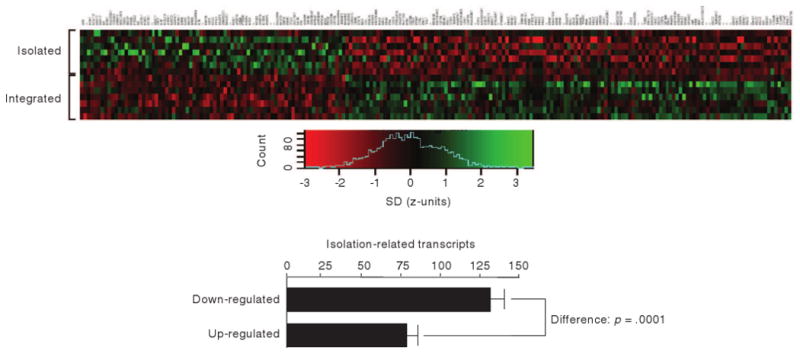
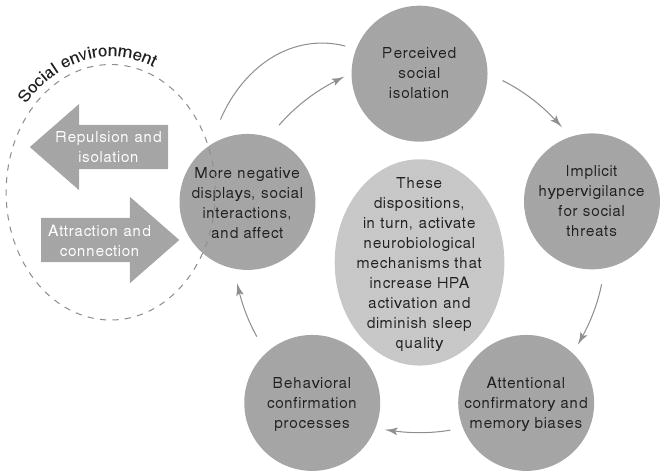
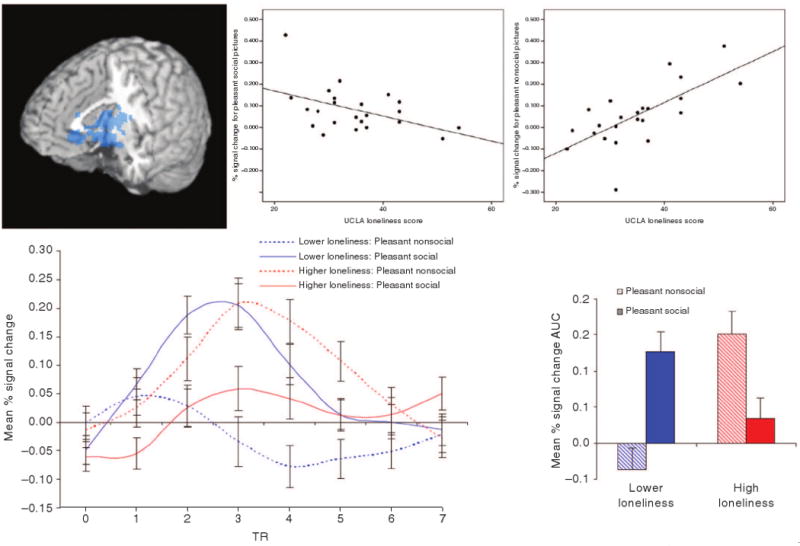
Social species, from Drosophila melanogaster to Homo sapiens, fare poorly when isolated. Homo sapiens, an irrepressibly meaning-making species, are, in normal circumstances, dramatically affected by perceived social isolation. Research indicates that perceived social isolation (i.e. loneliness) is a risk factor for, and may contribute to, poorer overall cognitive performance, faster cognitive decline, poorer executive functioning, increased negativity and depressive cognition, heightened sensitivity to social threats, a confirmatory bias in social cognition that is self-protective and paradoxically self-defeating, heightened anthropomorphism and contagion that threatens social cohesion. These differences in attention and cognition impact on emotions, decisions, behaviors and interpersonal interactions that can contribute to the association between loneliness and cognitive decline and between loneliness and morbidity more generally.
从黑腹果蝇到智人,社会性物种在隔离状态下表现不佳。智人是一种不由自主地寻求意义的物种,在正常情况下,会受到感知到的社会隔离的显著影响。研究表明,感知到的社会隔离(即孤独)是一个风险因素,可能导致整体认知表现较差、认知衰退更快、执行功能较差、消极情绪和抑郁认知增加、对社会威胁的敏感性提高、社会认知中的确认偏差(这种偏差具有自我保护作用,但自相矛盾的是也会自我挫败)、拟人化和情绪感染加剧,而这会威胁到社会凝聚力。注意力和认知方面的这些差异会影响情绪、决策、行为和人际互动,进而可能导致孤独与认知衰退之间以及孤独与发病率之间的关联。