Department of Biologic and Materials Sciences, University of Michigan, 1011 North University Ave, Ann Arbor, MI 48109-1078, USA.
Biomaterials. 2010 Jan;31(2):259-69. doi: 10.1016/j.biomaterials.2009.09.046. Epub 2009 Sep 27.
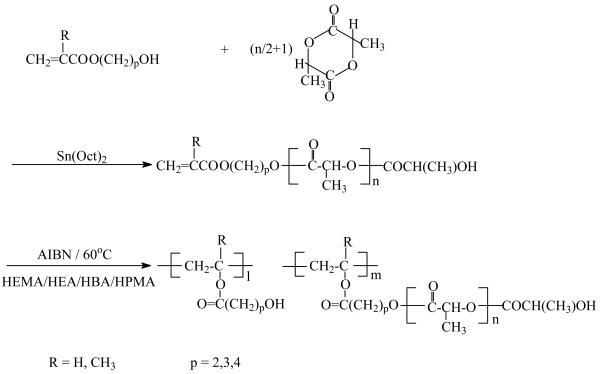
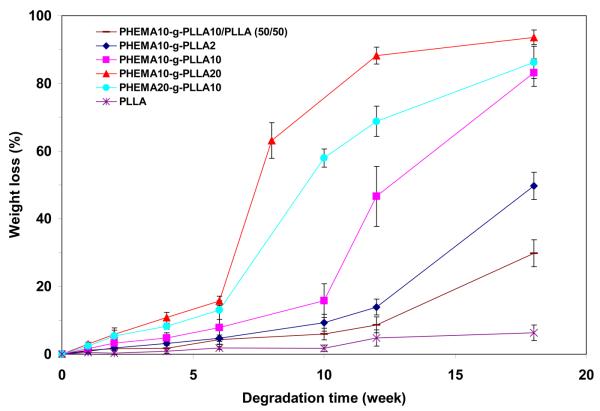
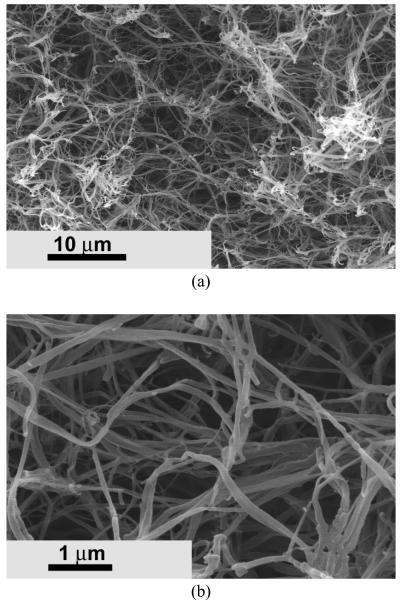
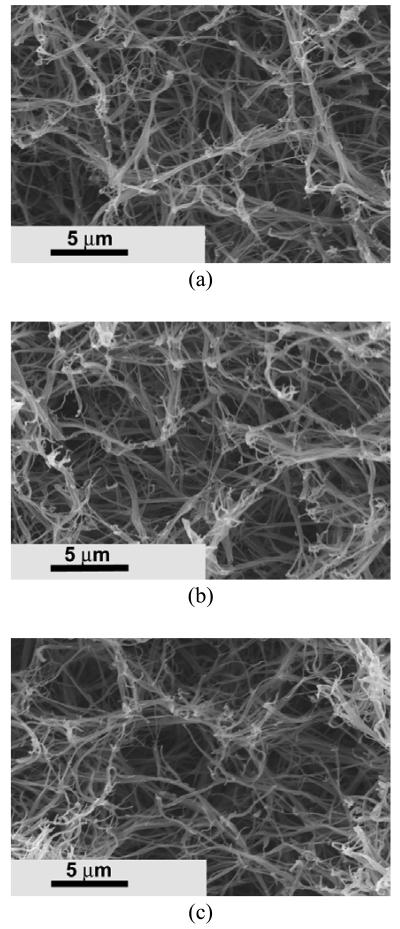
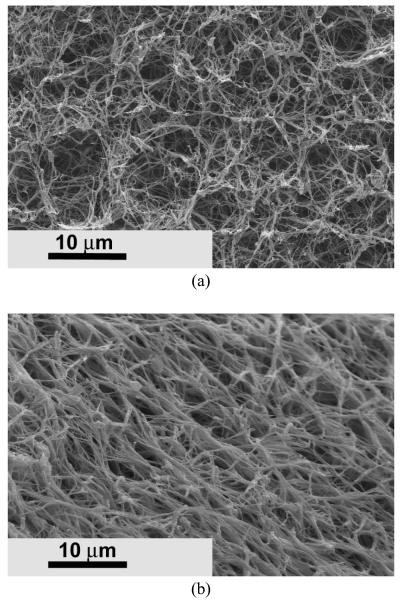
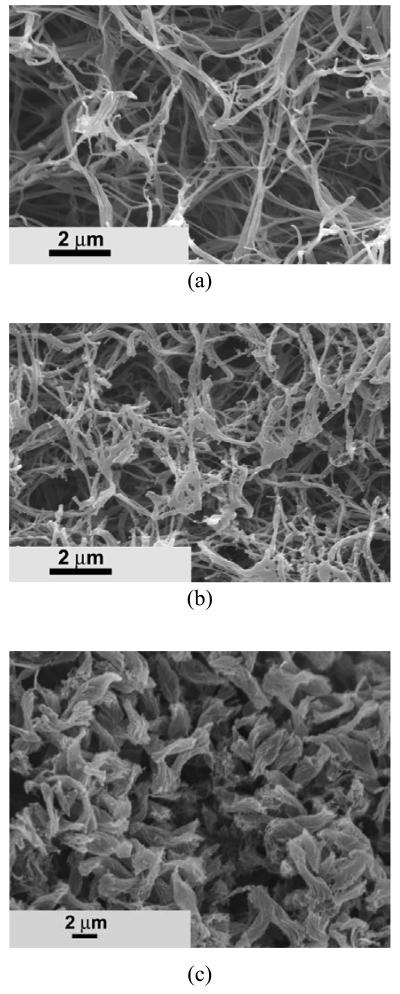
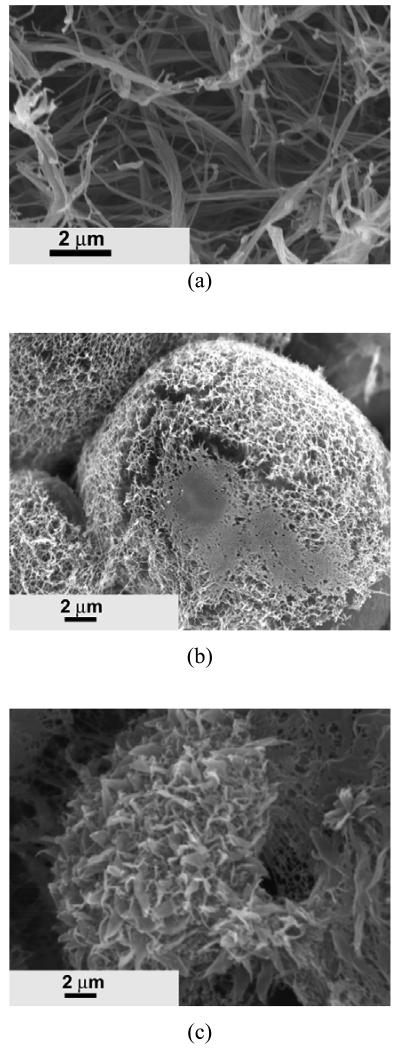
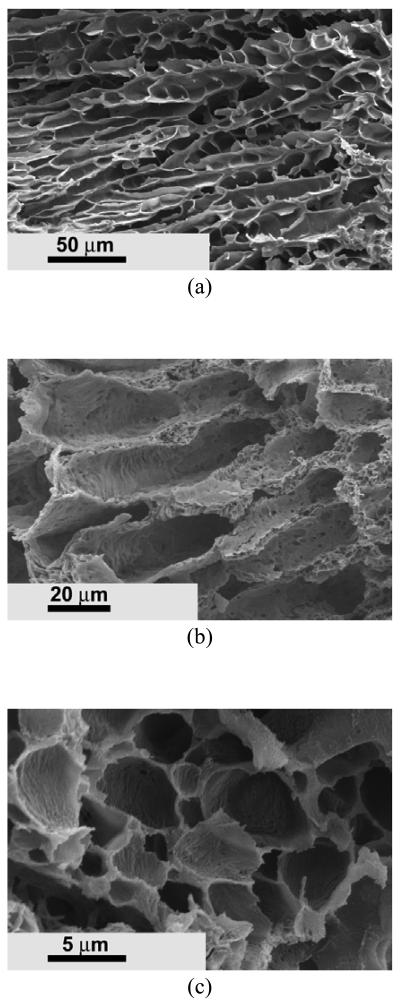
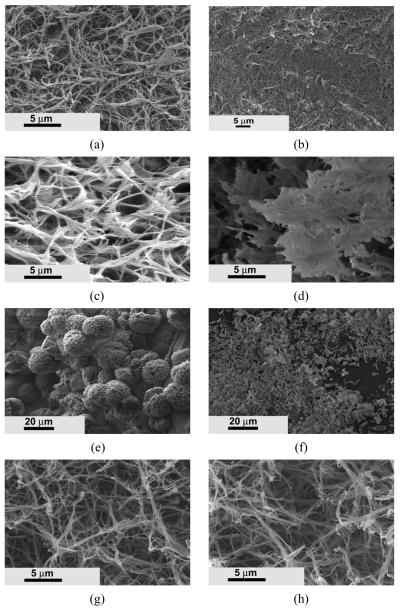
It remains a challenge to synthesize functional materials that can develop advanced scaffolding architectures for tissue engineering. In this study, a series of biodegradable amphiphilic poly(hydroxyalkyl (meth)acrylate)-graft-poly(l-lactic acid) (PHAA-g-PLLA) copolymers have been synthesized and fabricated into nano-fibrous scaffolds. These copolymers can be further functionalized, are more hydrophilic, and have faster degradation rates than the PLLA homopolymer, which are advantageous for certain tissue engineering applications. First, PLLA-based macromonomers were prepared by using functional hydroxyalkyl (meth)acrylates (HAA) as initiators. The PHAA-g-PLLA copolymers were then synthesized using free radical copolymerization of PLLA-based macromonomers and HAA. Nano-fibrous architecture was created using a thermally induced phase separation technique from these functional PHAA-g-PLLA copolymers. The nano-fibrous structure mimics the architecture of natural collagen matrix at the nanometer scale. The effects of the macromonomer composition, copolymer composition, blending ratio, and solvent selection on nano-scale structures were studied. In general, the nano-fibrous structure was created when the amount of HAA in the macromonomer was low. By increasing the amount of HAA in the macromonomer, microspheres with nano-fibrous surfaces were obtained. Further increasing the amount of HAA led to the creation of microspheres with leaf-like surfaces. These PLLA-based materials had much faster degradation rates than the PLLA, and could be completely degraded from several weeks to a few months depending on their composition and molecular weight. Furthermore, the PHAA-g-PLLA copolymers possess functional hydroxyl groups, which can be used to couple with bioactive molecules to control cell-material interactions. Therefore, these biodegradable functional copolymers have the design flexibility to fabricate various biomimetic materials for tissue engineering applications.
合成具有可发展先进组织工程支架结构的功能材料仍然是一个挑战。在这项研究中,合成了一系列可生物降解的两亲性聚(羟烷基(甲基)丙烯酸酯)-接枝-聚(L-乳酸)(PHAA-g-PLLA)共聚物,并将其制成纳米纤维支架。与 PLLA 均聚物相比,这些共聚物可以进一步功能化,具有更高的亲水性和更快的降解速率,这有利于某些组织工程应用。首先,使用功能性羟烷基(甲基)丙烯酸酯(HAA)作为引发剂制备基于 PLLA 的大分子单体。然后,使用基于 PLLA 的大分子单体和 HAA 的自由基共聚合成 PHAA-g-PLLA 共聚物。通过使用热诱导相分离技术从这些功能性 PHAA-g-PLLA 共聚物中创建纳米纤维结构。纳米纤维结构在纳米尺度上模拟了天然胶原基质的结构。研究了大分子单体组成、共聚物组成、共混比和溶剂选择对纳米结构的影响。一般来说,当大分子单体中 HAA 的量较低时,会形成纳米纤维结构。通过增加大分子单体中 HAA 的量,得到具有纳米纤维表面的微球。进一步增加 HAA 的量会导致具有叶状表面的微球的形成。这些基于 PLLA 的材料的降解速度比 PLLA 快得多,根据其组成和分子量,可在数周到数月内完全降解。此外,PHAA-g-PLLA 共聚物具有功能性羟基,可用于与生物活性分子偶联,以控制细胞-材料相互作用。因此,这些可生物降解的功能性共聚物具有设计灵活性,可以制备用于组织工程应用的各种仿生材料。