Li Jing, Zhang Li-Ping, Peng Feng, Bian Jing, Yuan Tong-Qi, Xu Feng, Sun Run-Cang
College of Material Science and Technology, Beijing Forestry University, Beijing 100083, China.
Molecules. 2009 Sep 11;14(9):3551-66. doi: 10.3390/molecules14093551.
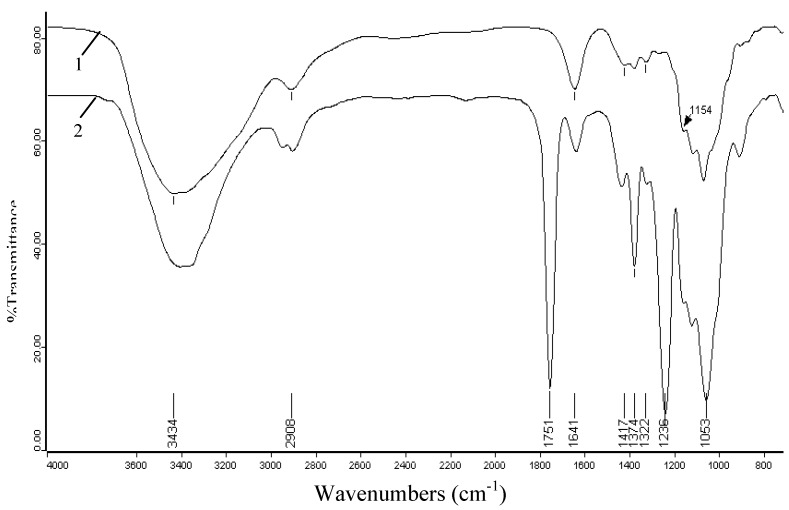
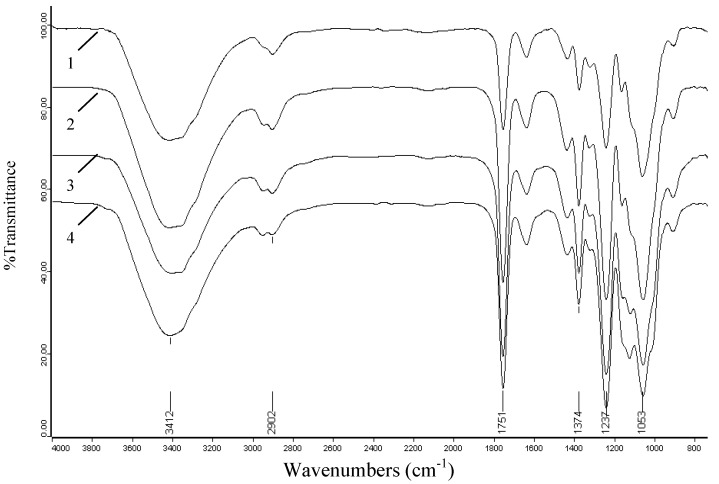
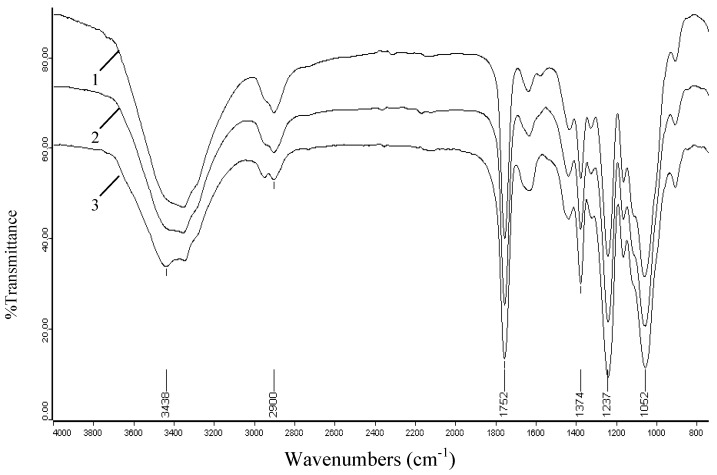
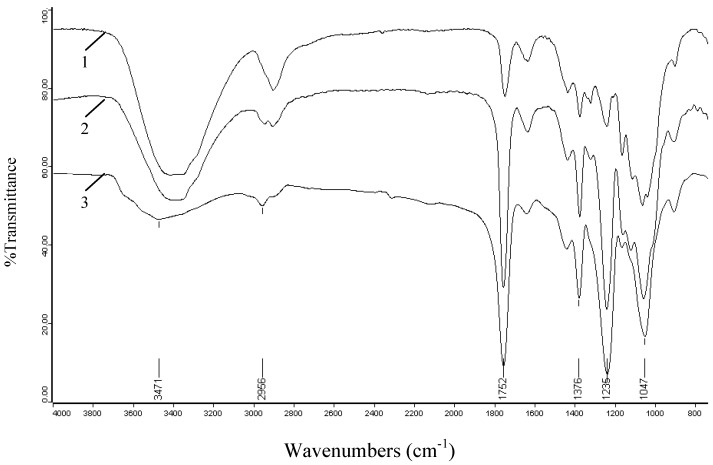
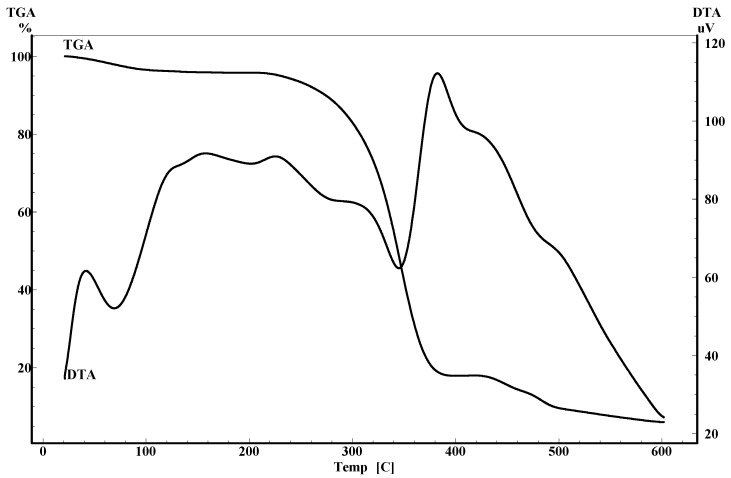
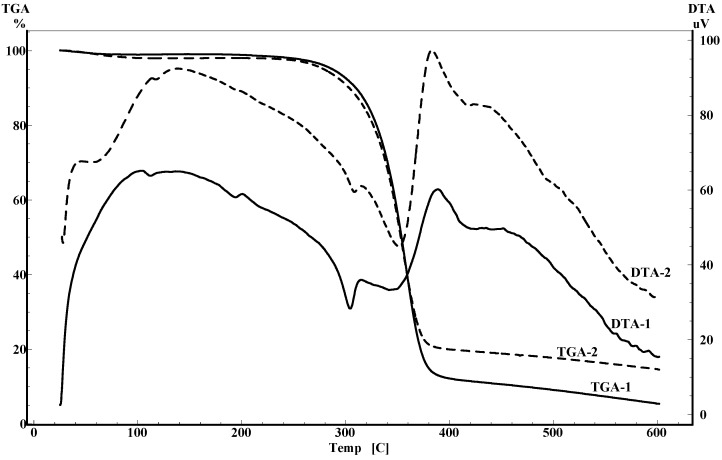
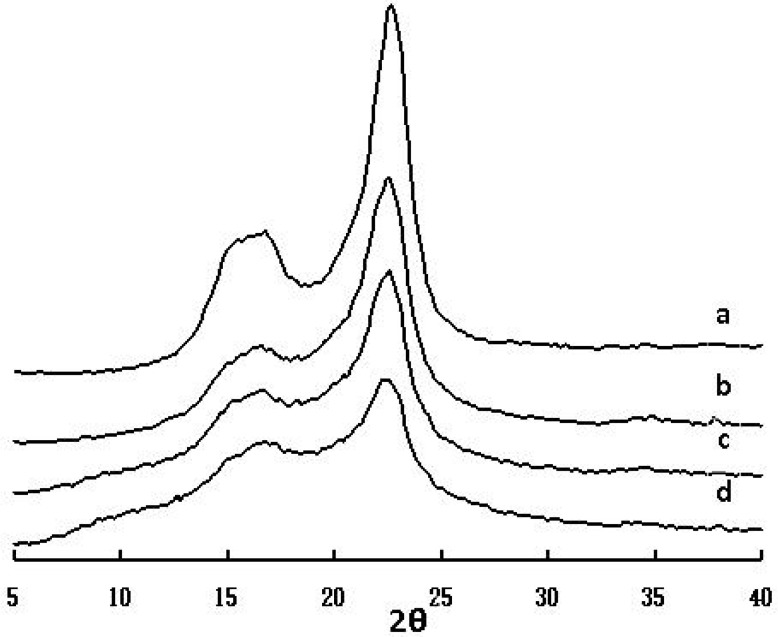
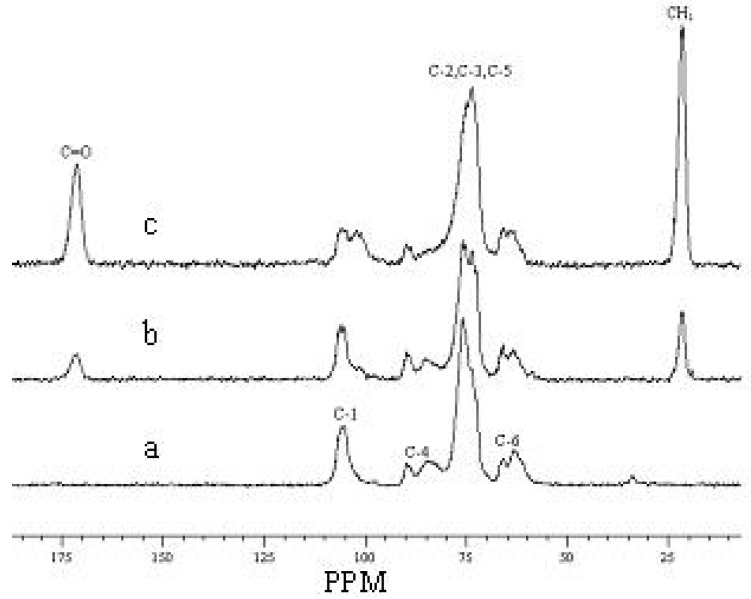
In this work an optimization of the solvent-free acetylation of cellulose with acetic anhydride under microwave heating with iodine as a catalyst was performed. The optimized parameters included the microwave irradiation power from 300 W to 800 W, the reaction time between 5 to 40 min, the reaction temperature from 80 to 130 degrees C, and the amount of iodine from 1 to 15 mol%. The extent of the acetylation was measured by yield and the degree of substitution (DS), which was determined by a back-titration method. Acetylated cellulose was characterized by FT-IR, CP/MAS (13)C-NMR, WRXD, and thermogravimetric analysis. The results showed that within the range of catalyst amounts studied, the DS increased as the amount of iodine used increased, however, it was barely affected by microwave output. It was also found that the reaction time and temperature had an active influence on the extent of acetylation, however, this did not mean that at the higher temperature a better acetylation of cellulose would be obtained. The optimal reaction time and temperature found in this work were 30 min and 130 degrees C.
在这项工作中,以碘为催化剂,在微波加热条件下对纤维素与乙酸酐进行无溶剂乙酰化反应进行了优化。优化参数包括:微波辐射功率为300 W至800 W、反应时间为5至40分钟、反应温度为80至130摄氏度以及碘用量为1至15摩尔%。乙酰化程度通过产率和取代度(DS)来衡量,取代度通过返滴定法测定。采用傅里叶变换红外光谱(FT-IR)、交叉极化/魔角旋转(13)C-核磁共振(CP/MAS (13)C-NMR)、广角X射线衍射(WRXD)和热重分析对乙酰化纤维素进行了表征。结果表明,在所研究的催化剂用量范围内,取代度随着碘用量的增加而增大,但几乎不受微波输出的影响。还发现反应时间和温度对乙酰化程度有显著影响,然而,这并不意味着在较高温度下就能获得更好的纤维素乙酰化效果。在这项工作中发现的最佳反应时间和温度分别为30分钟和130摄氏度。