Department of Computer Science, Heriot-Watt University, Edinburgh, UK.
BMC Bioinformatics. 2009 Oct 1;10 Suppl 10(Suppl 10):S12. doi: 10.1186/1471-2105-10-S10-S12.
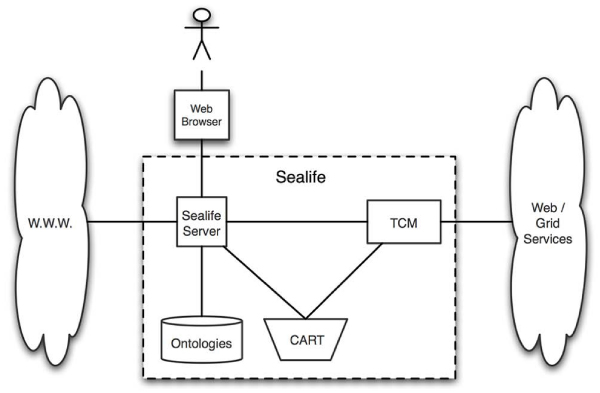
A key application area of semantic technologies is the fast-developing field of bioinformatics. Sealife was a project within this field with the aim of creating semantics-based web browsing capabilities for the Life Sciences. This includes meaningfully linking significant terms from the text of a web page to executable web services. It also involves the semantic mark-up of biological terms, linking them to biomedical ontologies, then discovering and executing services based on terms that interest the user.
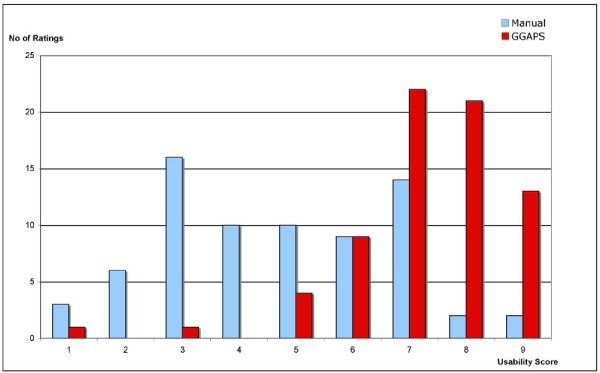
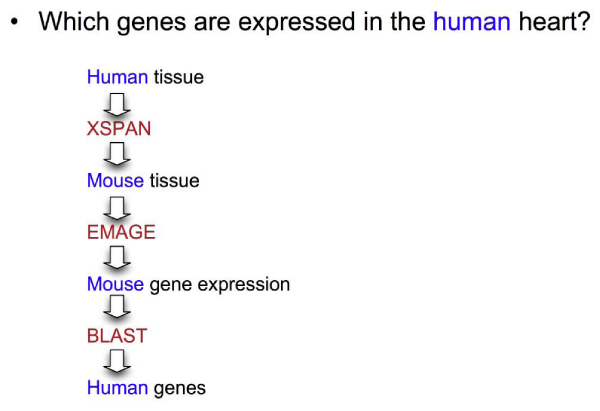
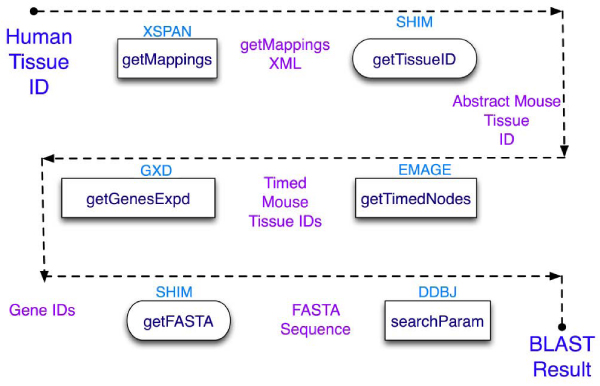
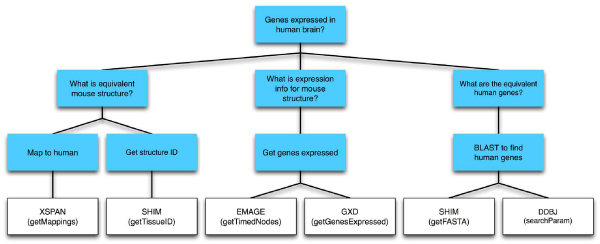
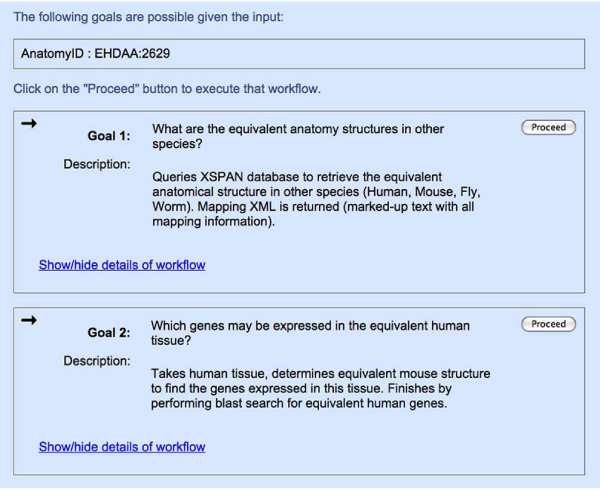
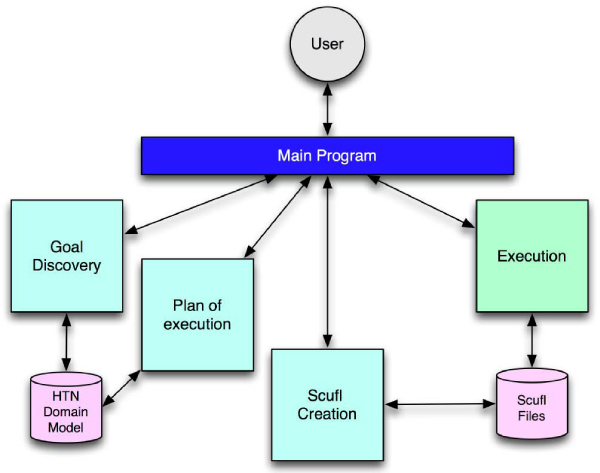
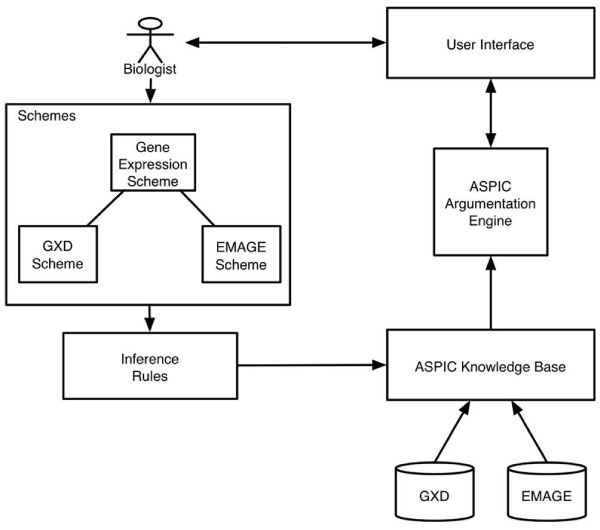
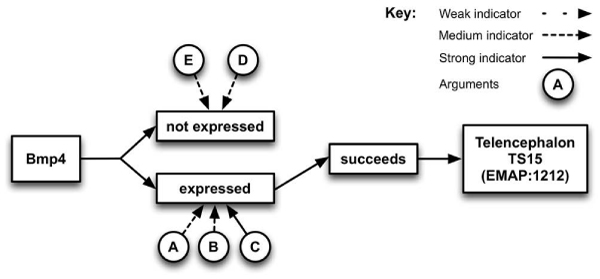
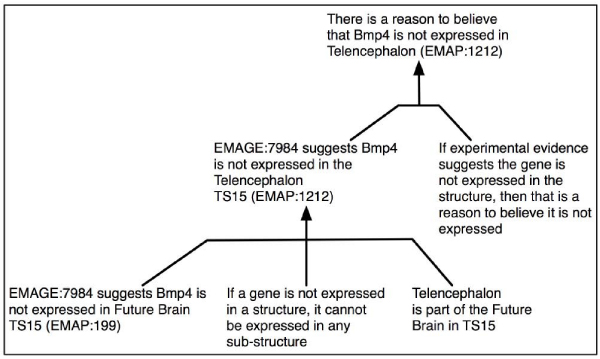
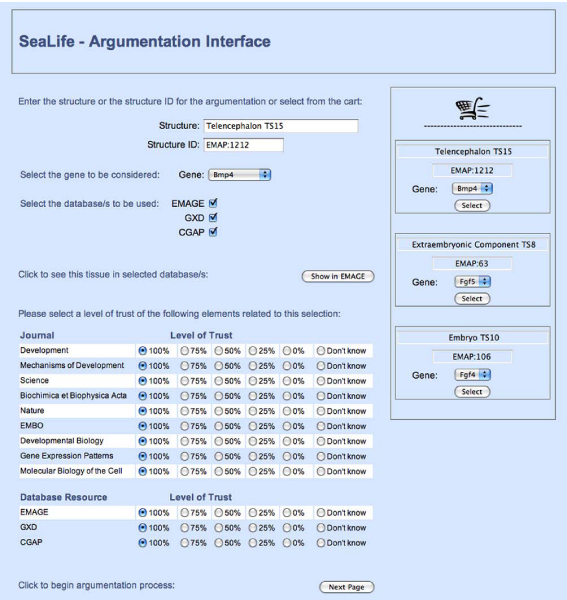
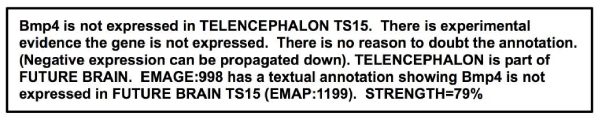
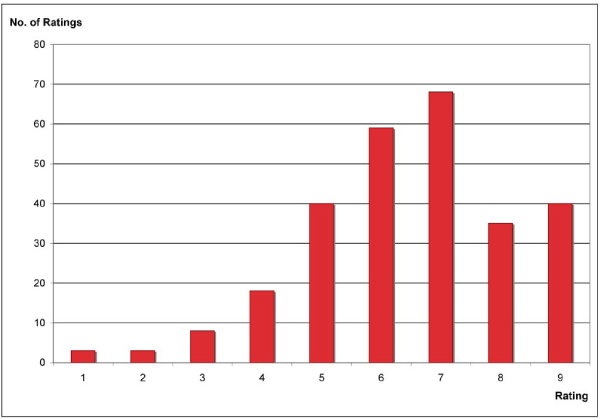
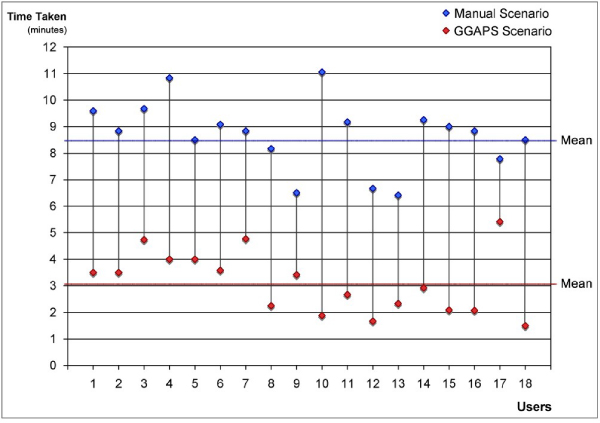
A system was produced which allows a user to identify terms of interest on a web page and subsequently connects these to a choice of web services which can make use of these inputs. Elements of Artificial Intelligence Planning build on this to present a choice of higher level goals, which can then be broken down to construct a workflow. An Argumentation System was implemented to evaluate the results produced by three different gene expression databases. An evaluation of these modules was carried out on users from a variety of backgrounds. Users with little knowledge of web services were able to achieve tasks that used several services in much less time than they would have taken to do this manually. The Argumentation System was also considered a useful resource and feedback was collected on the best way to present results.
Overall the system represents a move forward in helping users to both construct workflows and analyse results by incorporating specific domain knowledge into the software. It also provides a mechanism by which web pages can be linked to web services. However, this work covers a specific domain and much co-ordinated effort is needed to make all web services available for use in such a way, i.e. the integration of underlying knowledge is a difficult but essential task.
语义技术的一个关键应用领域是快速发展的生物信息学领域。Sealife 是该领域的一个项目,旨在为生命科学创建基于语义的网络浏览功能。这包括将网页文本中的重要术语有意义地链接到可执行的网络服务,还涉及对生物术语进行语义标记,将其链接到生物医学本体,然后根据用户感兴趣的术语发现和执行服务。
开发了一个系统,允许用户在网页上识别感兴趣的术语,然后将这些术语连接到可以使用这些输入的各种网络服务。人工智能规划的元素在此基础上构建了一个选择高级目标的选项,然后可以将其分解以构建工作流。实现了一个论证系统来评估三个不同基因表达数据库产生的结果。从各种背景的用户那里对这些模块进行了评估。对网络服务知之甚少的用户能够在比手动操作少得多的时间内完成使用多个服务的任务。论证系统也被认为是一个有用的资源,并收集了关于呈现结果的最佳方式的反馈。
总的来说,该系统通过将特定领域知识纳入软件,代表了在帮助用户构建工作流程和分析结果方面的一个进步。它还提供了一种将网页链接到网络服务的机制。然而,这项工作涵盖了一个特定的领域,需要大量的协调努力才能以这种方式使所有网络服务都可用于使用,即整合底层知识是一项困难但必不可少的任务。