Barbalat Roman, Lau Laura, Locksley Richard M, Barton Gregory M
Division of Immunology and Pathogenesis, Department of Molecular & Cell Biology, University of California, Berkeley, California, USA.
Nat Immunol. 2009 Nov;10(11):1200-7. doi: 10.1038/ni.1792. Epub 2009 Oct 4.
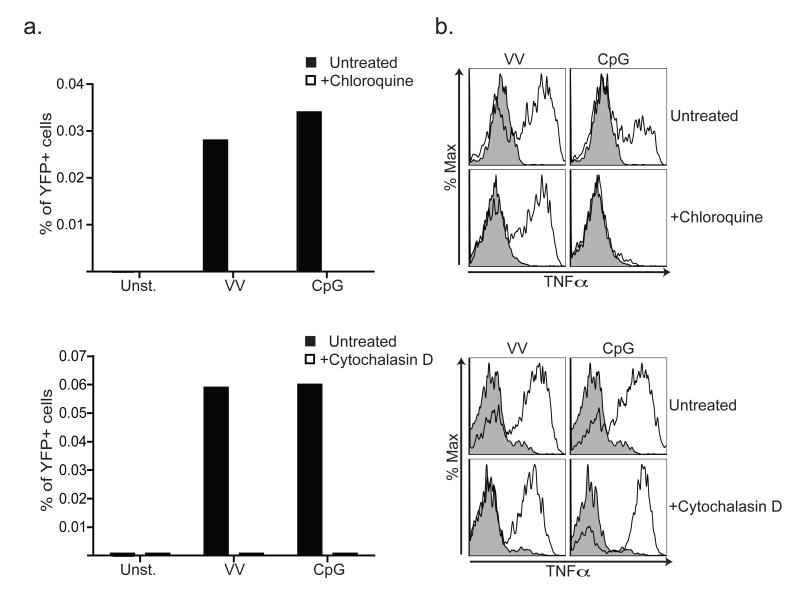
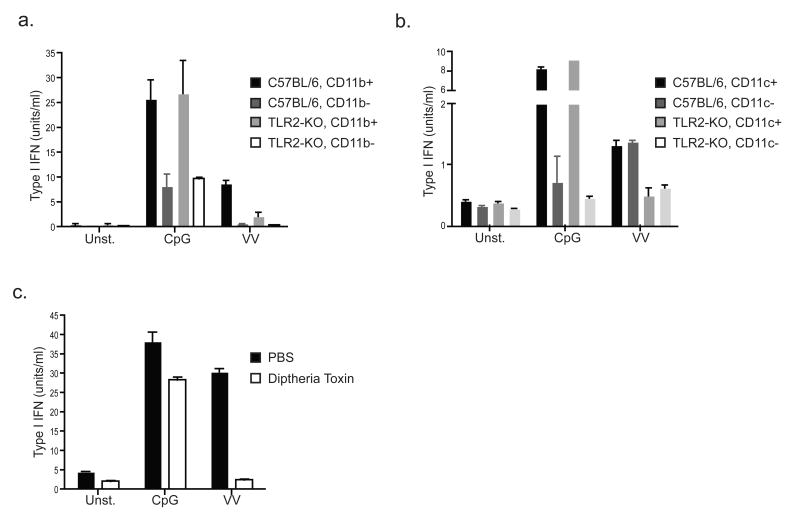
Despite the paradigm that the innate immune system uses nucleic acid-specific receptors to detect viruses because of a lack of other conserved features, many viruses are recognized by Toll-like receptor 2 (TLR2) and TLR4. The relevance of this recognition for antiviral immunity remains largely unexplained. Here we report that TLR2 activation by viruses led to the production of type I interferon. TLR2-dependent induction of type I interferon occurred only in response to viral ligands, which indicates that TLR2 is able to discriminate between pathogen classes. We demonstrate that this specialized response was mediated by Ly6C(hi) inflammatory monocytes. Thus, the innate immune system can detect certain non-nucleic acid features of viruses and links this recognition to the induction of specific antiviral genes.
尽管存在一种范式,即由于缺乏其他保守特征,固有免疫系统利用核酸特异性受体来检测病毒,但许多病毒可被Toll样受体2(TLR2)和TLR4识别。这种识别与抗病毒免疫的相关性在很大程度上仍未得到解释。在此我们报告,病毒激活TLR2会导致I型干扰素的产生。I型干扰素的TLR2依赖性诱导仅在对病毒配体作出反应时发生,这表明TLR2能够区分病原体类别。我们证明这种特异性反应是由Ly6C(高表达)炎性单核细胞介导的。因此,固有免疫系统能够检测病毒的某些非核酸特征,并将这种识别与特定抗病毒基因的诱导联系起来。