Department of Radiology and Biomedical Imaging, University of California San Francisco, San Francisco, CA 94158, USA.
IEEE Trans Med Imaging. 2010 Jan;29(1):179-84. doi: 10.1109/TMI.2009.2033597. Epub 2009 Oct 9.
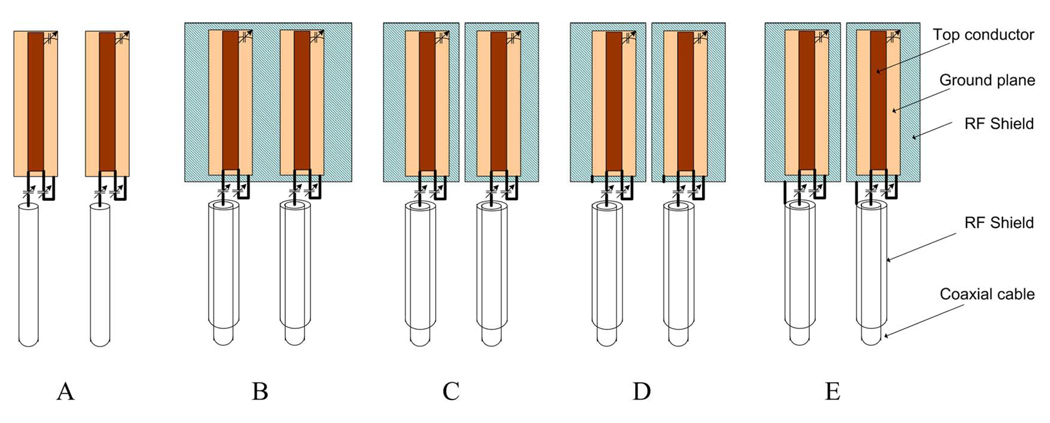
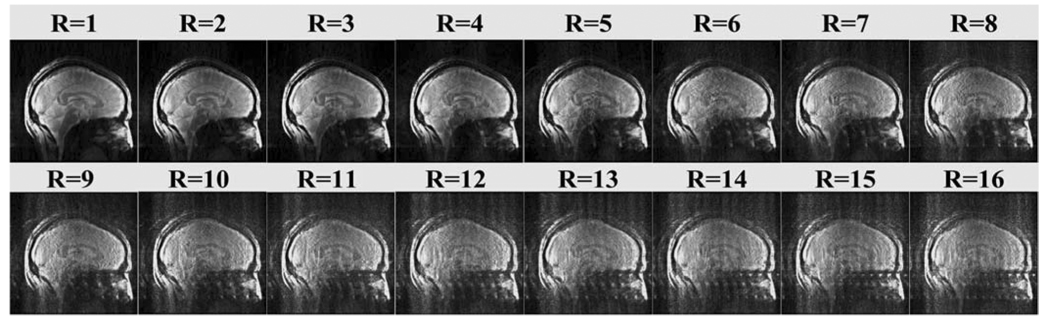
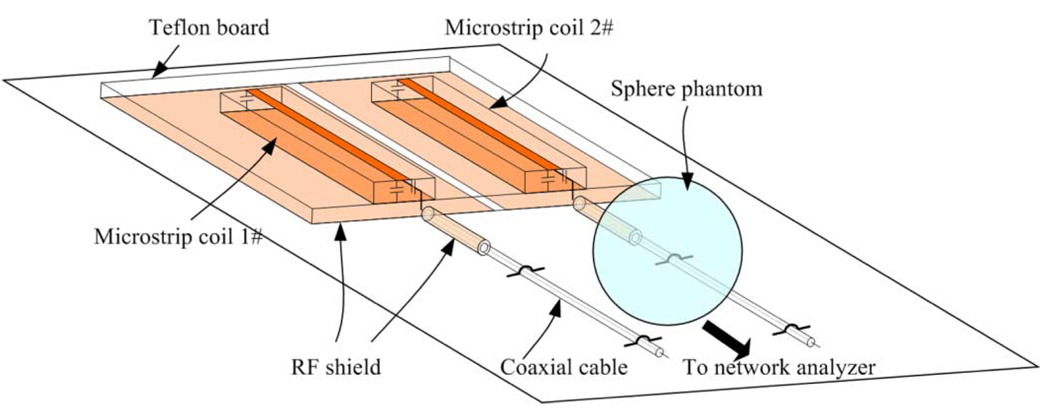
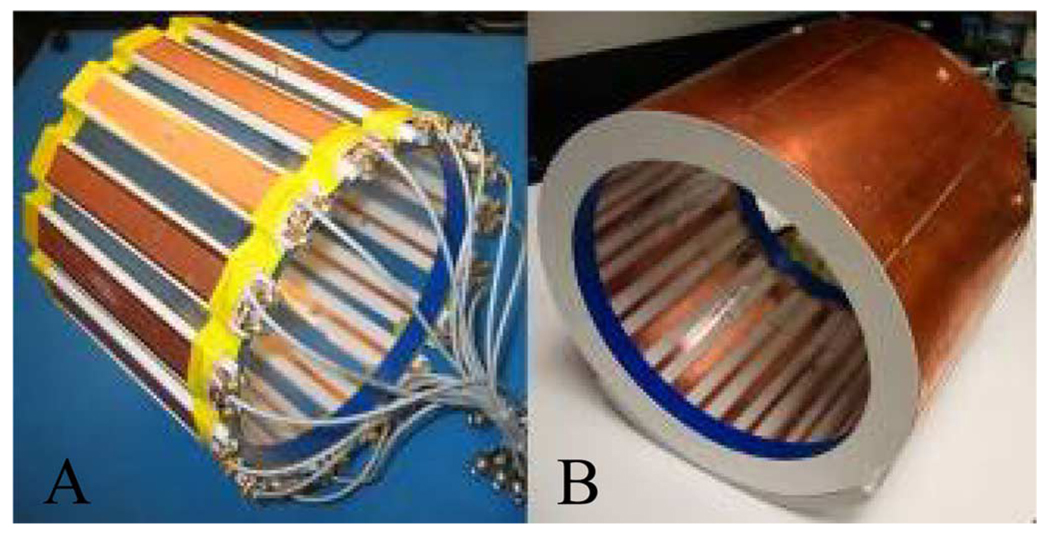
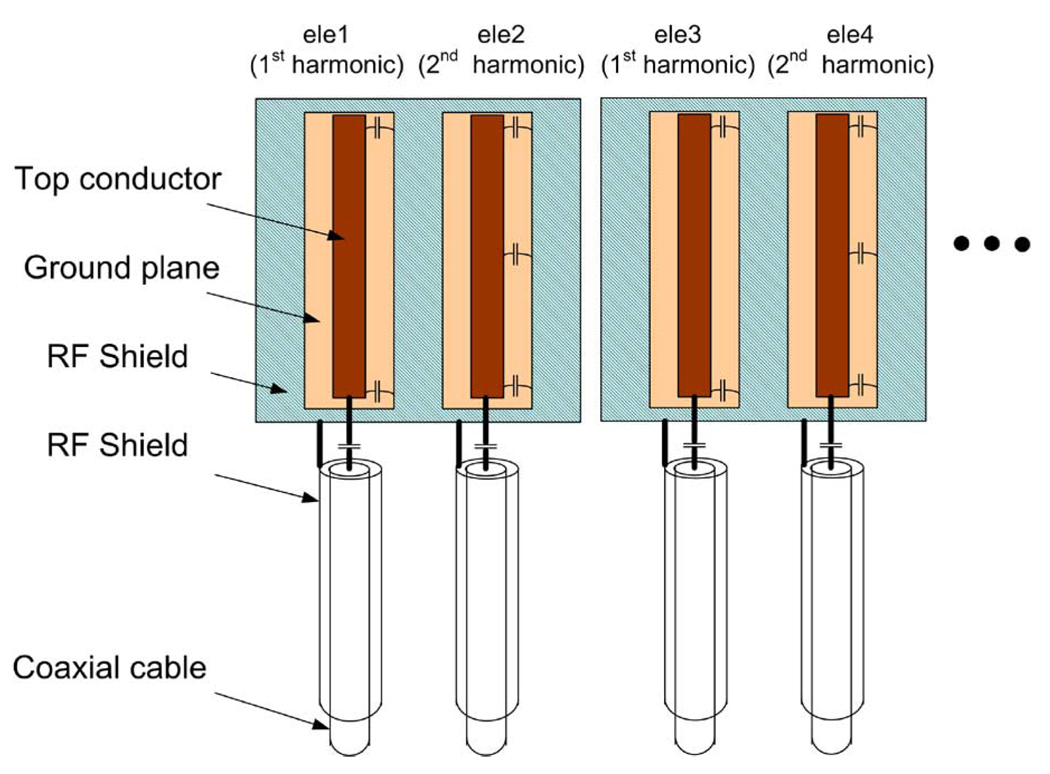
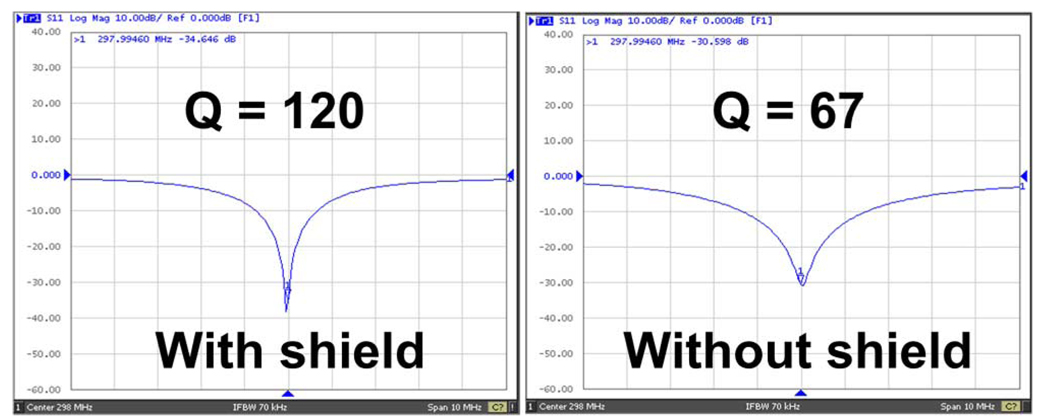
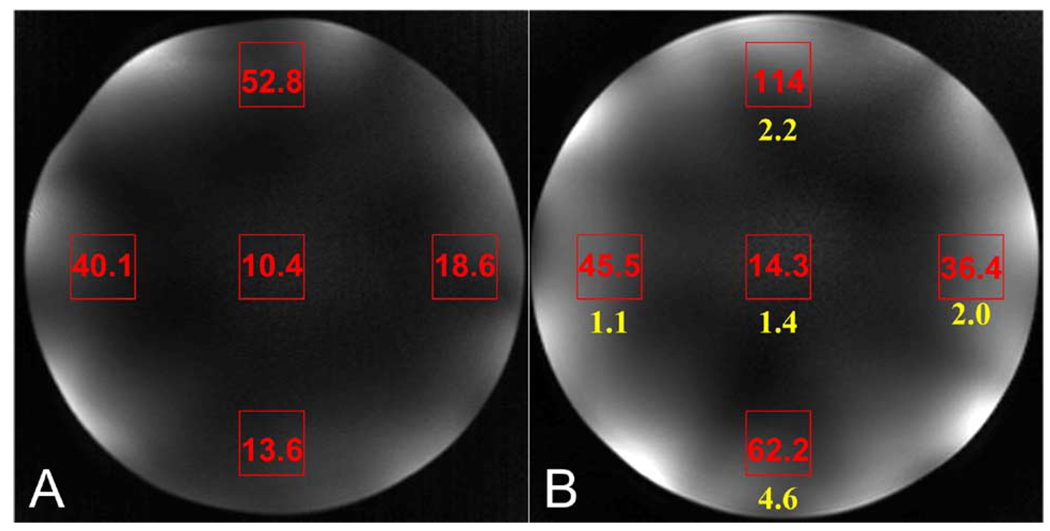
The high-frequency transceiver array based on the microstrip transmission line design is a promising technique for ultrahigh field magnetic resonance imaging (MRI) signal excitation and reception. However, with the increase of radio-frequency (RF) channels, the size of the ground plane in each microstrip coil element is usually not sufficient to provide a perfect ground. Consequently, the transceiver array may suffer from cable resonance, lower Q-factors, and imaging quality degradations. In this paper, we present an approach to improving the performance of microstrip transceiver arrays by introducing RF shielding outside the microstrip array and the feeding coaxial cables. This improvement reduced interactions among cables, increased resonance stability, and Q-factors, and thus improved imaging quality. An experimental method was also introduced and utilized for quantitative measurement and evaluation of RF coil resonance stability or "cable resonance" behavior.
基于微带传输线设计的高频收发阵列是一种用于超高场磁共振成像(MRI)信号激发和接收的有前途的技术。然而,随着射频(RF)通道数量的增加,每个微带线圈元件中的接地面通常不足以提供完美的接地面。因此,收发阵列可能会受到电缆共振、较低的 Q 因子和成像质量下降的影响。在本文中,我们提出了一种通过在微带阵列和馈电同轴线外引入 RF 屏蔽来改善微带收发阵列性能的方法。这种改进减少了电缆之间的相互作用,提高了共振稳定性和 Q 因子,从而提高了成像质量。还介绍了一种实验方法,用于对 RF 线圈共振稳定性或“电缆共振”行为进行定量测量和评估。