Angiogenesis Research Laboratory, Department of Restorative Sciences, University of Michigan, Ann Arbor, MI 48109-1078, USA.
Cell Death Differ. 2010 Mar;17(3):499-512. doi: 10.1038/cdd.2009.152. Epub 2009 Oct 16.
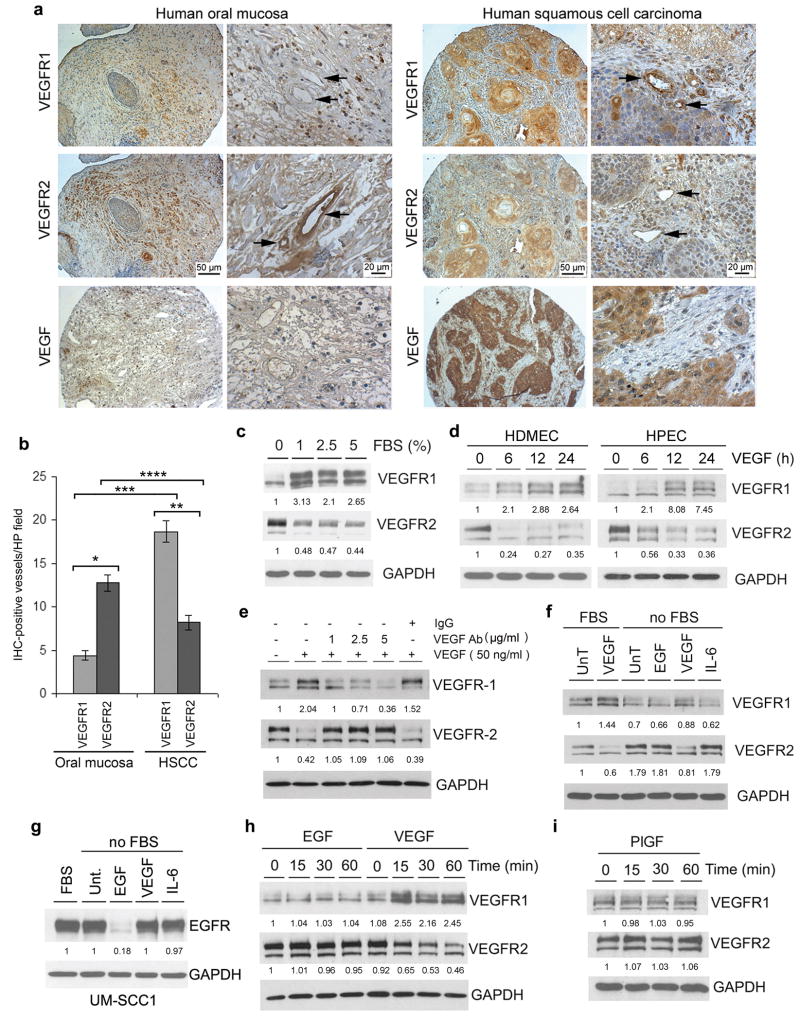
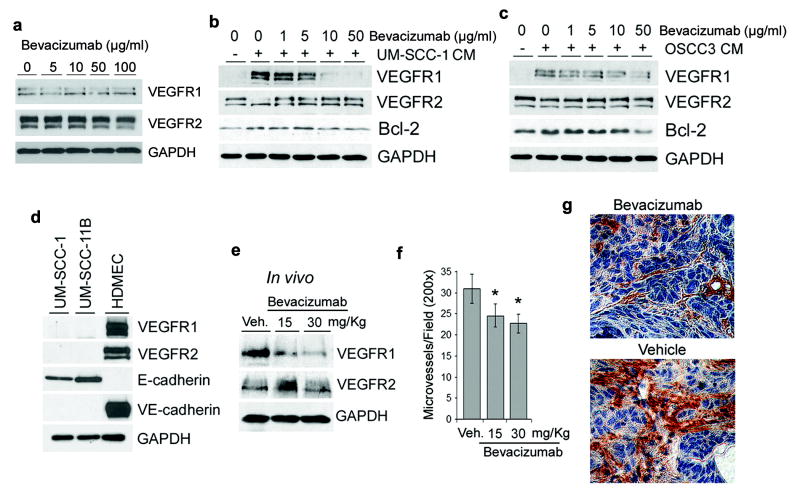
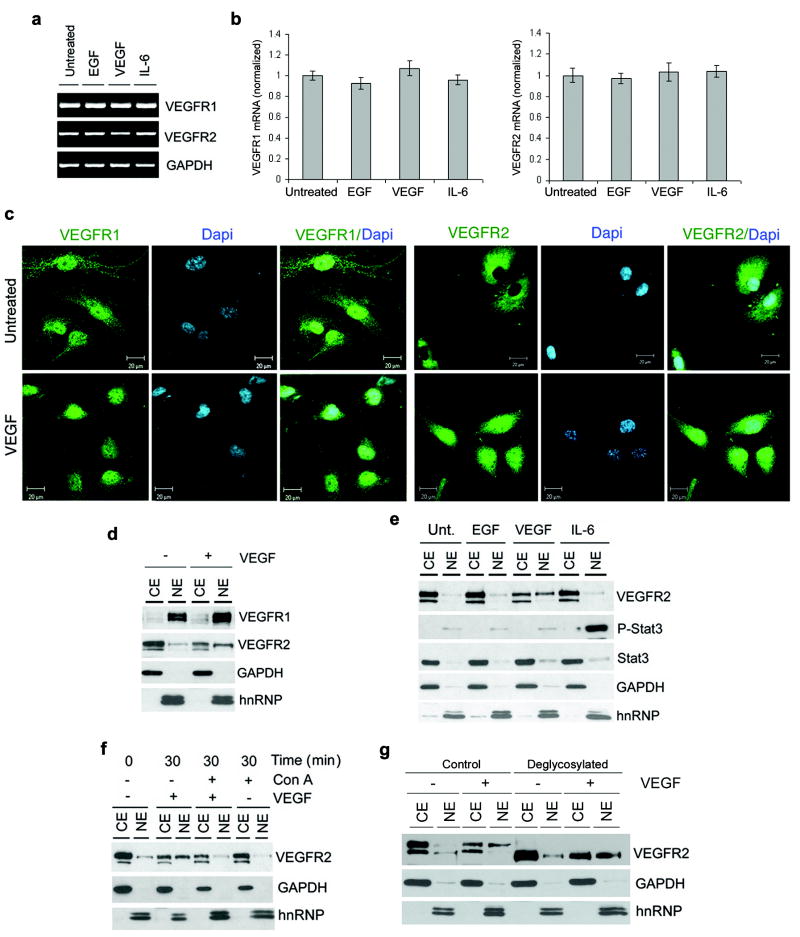
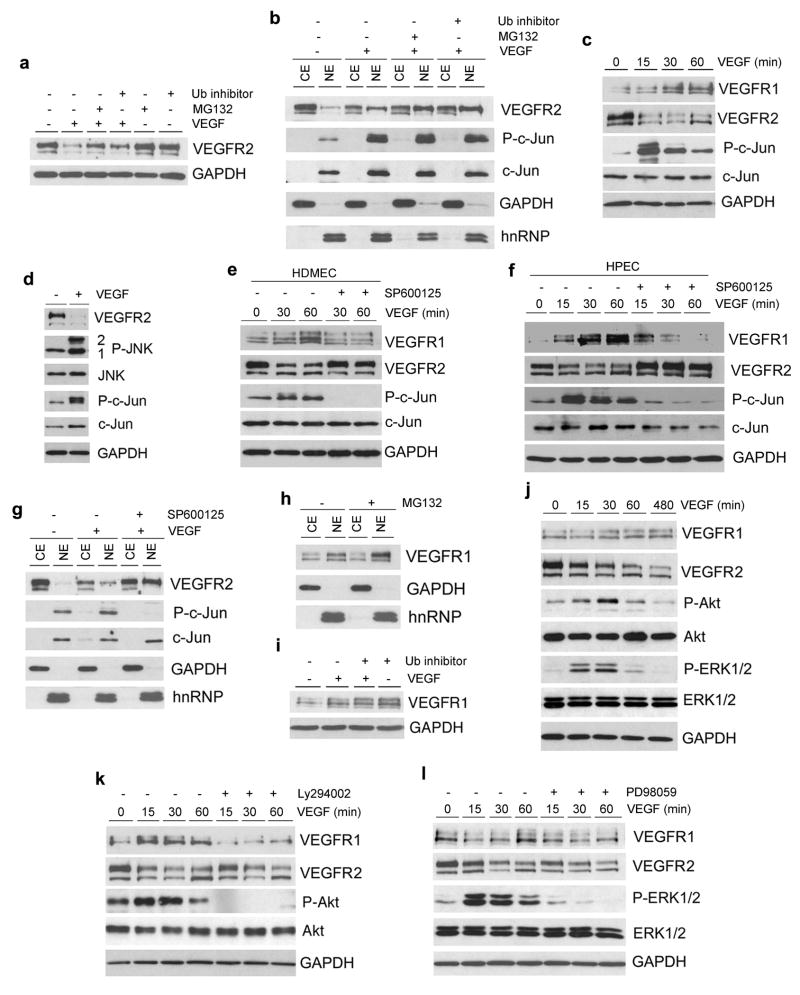
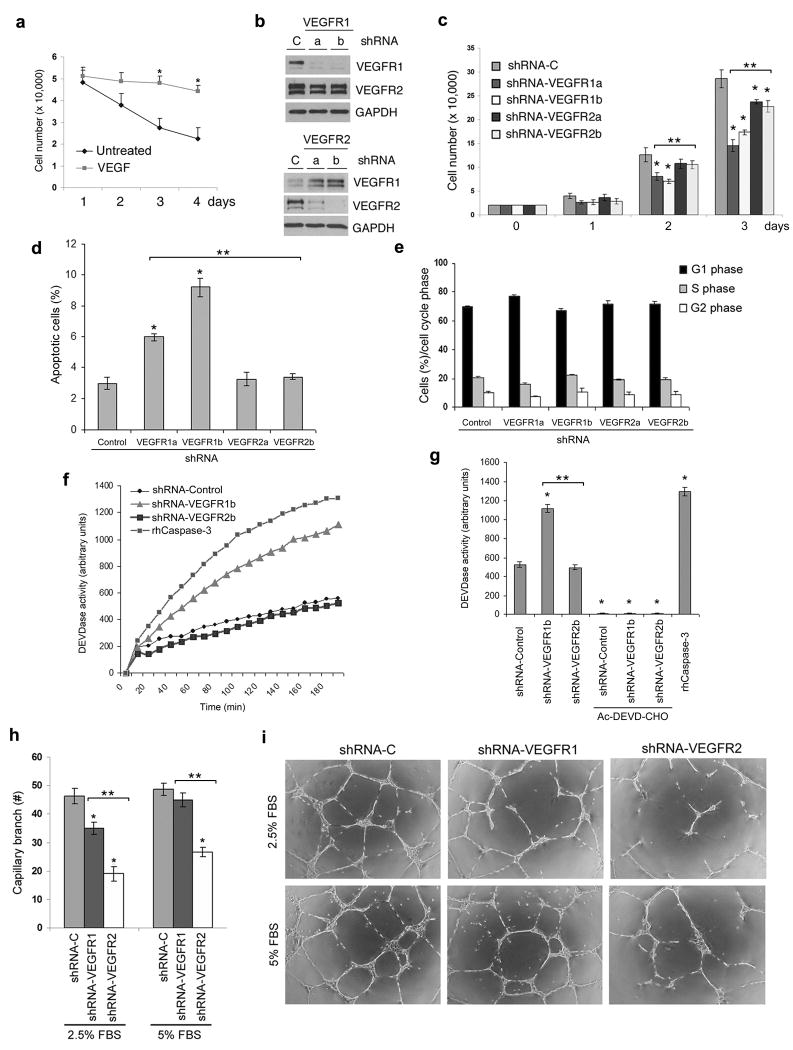
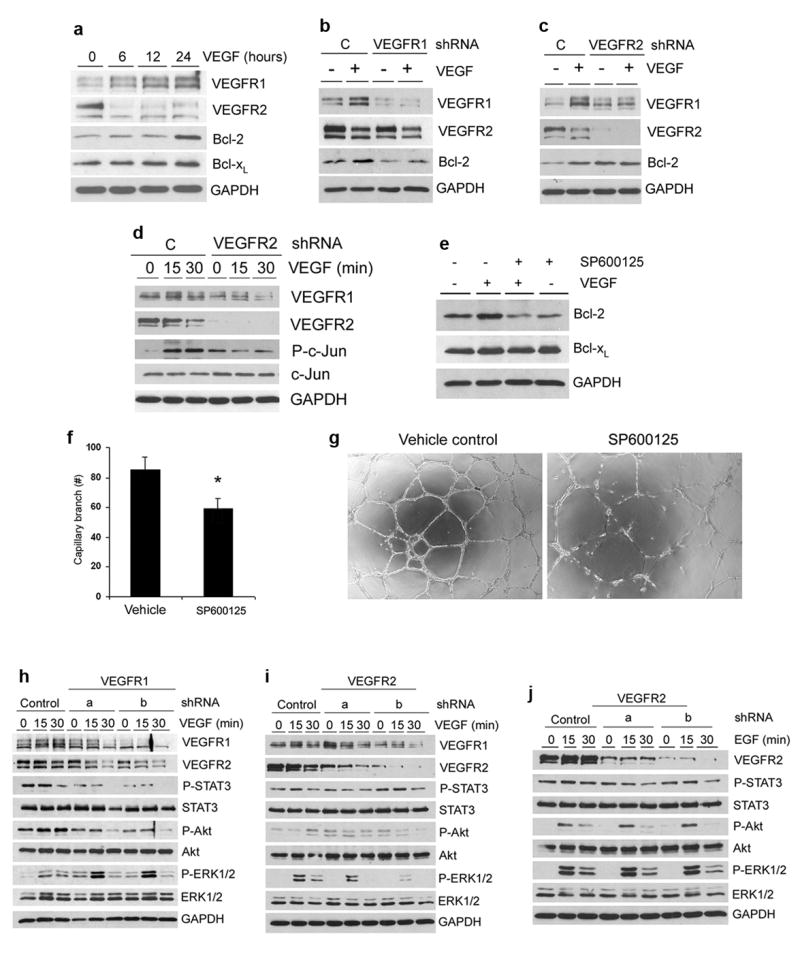
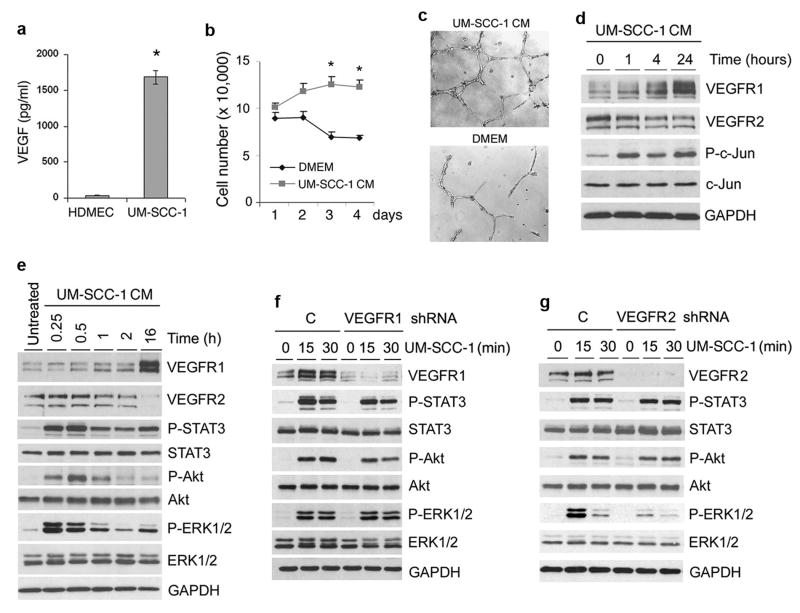
Vascular endothelial growth factor (VEGF) signaling is critical for tumor angiogenesis. However, therapies based on inhibition of VEGF receptors (VEGFRs) have shown modest results for patients with cancer. Surprisingly little is known about mechanisms underlying the regulation of VEGFR1 and VEGFR2 expression, the main targets of these drugs. Here, analysis of tissue microarrays revealed an inversely reciprocal pattern of VEGFR regulation in the endothelium of human squamous-cell carcinomas (high VEGFR1, low VEGFR2), as compared with the endothelium of control tissues (low VEGFR1, high VEGFR2). Mechanistic studies demonstrated that VEGF signals through the Akt/ERK pathway to inhibit constitutive ubiquitination and induce rapid VEGFR1 accumulation in endothelial cells. Surprisingly, VEGFR1 is primarily localized in the nucleus of endothelial cells. In contrast, VEGF signals through the JNK/c-Jun pathway to induce endocytosis, nuclear translocation, and downregulation of VEGFR2 via ubiquitination. VEGFR1 signaling is required for endothelial-cell survival, while VEGFR2 regulates capillary tube formation. Notably, the antiangiogenic effect of bevacizumab (anti-VEGF antibody) requires normalization of VEGFR1 and VEGFR2 levels in human squamous-cell carcinomas vascularized with human blood vessels in immunodeficient mice. Collectively, this work demonstrates that VEGF-induced angiogenesis requires inverse regulation of VEGFR1 and VEGFR2 in tumor-associated endothelial cells.
血管内皮生长因子(VEGF)信号通路对于肿瘤血管生成至关重要。然而,基于 VEGF 受体(VEGFR)抑制的治疗方法对癌症患者的效果并不显著。令人惊讶的是,人们对这些药物的主要靶点 VEGFR1 和 VEGFR2 表达的调控机制知之甚少。在此,通过对组织微阵列的分析,与对照组织(VEGFR1 低,VEGFR2 高)相比,在人类鳞状细胞癌的内皮中发现了 VEGFR 调节的一种相反的互惠模式(VEGFR1 高,VEGFR2 低)。机制研究表明,VEGF 通过 Akt/ERK 通路发出信号,抑制 VEGFR1 的组成性泛素化,并诱导内皮细胞中 VEGFR1 的快速积累。令人惊讶的是,VEGFR1 主要定位于内皮细胞的核内。相比之下,VEGF 通过 JNK/c-Jun 通路发出信号,通过泛素化诱导内吞作用、核转位和 VEGFR2 的下调。VEGFR1 信号通路对于内皮细胞的存活是必需的,而 VEGFR2 则通过内皮细胞管腔形成来调节毛细血管的形成。值得注意的是,bevacizumab(抗 VEGF 抗体)的抗血管生成作用需要在免疫缺陷小鼠的人类血管化的人类鳞状细胞癌中使 VEGFR1 和 VEGFR2 水平正常化。总之,这项工作表明,VEGF 诱导的血管生成需要肿瘤相关内皮细胞中 VEGFR1 和 VEGFR2 的反向调节。