Department of Neuroimmunology, Center for Brain Research, Medical University Vienna, Vienna, Austria.
Acta Neuropathol. 2010 Jan;119(1):37-53. doi: 10.1007/s00401-009-0601-5. Epub 2009 Oct 22.
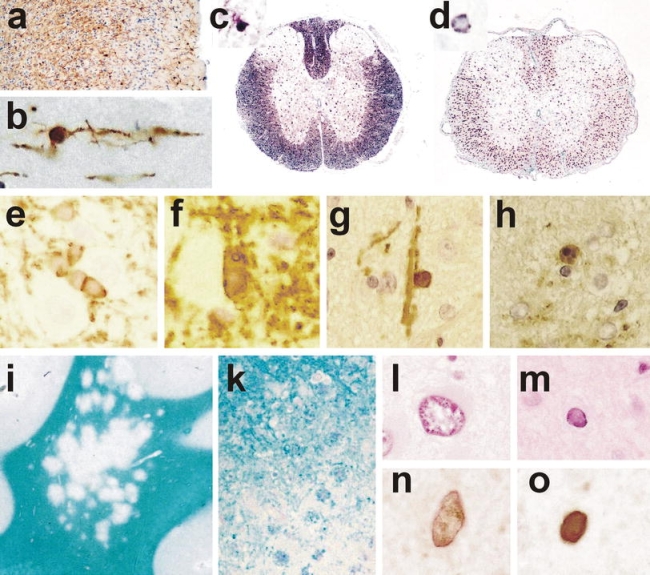
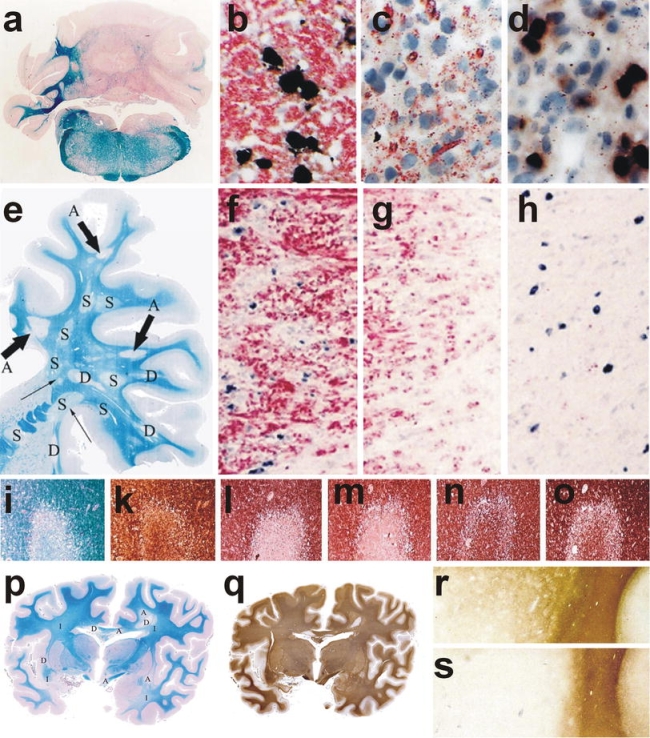
Oligodendrocytes are the myelinating cells of the central nervous system (CNS). They are the end product of a cell lineage which has to undergo a complex and precisely timed program of proliferation, migration, differentiation, and myelination to finally produce the insulating sheath of axons. Due to this complex differentiation program, and due to their unique metabolism/physiology, oligodendrocytes count among the most vulnerable cells of the CNS. In this review, we first describe the different steps eventually culminating in the formation of mature oligodendrocytes and myelin sheaths, as they were revealed by studies in rodents. We will then show differences and similarities of human oligodendrocyte development. Finally, we will lay out the different pathways leading to oligodendrocyte and myelin loss in human CNS diseases, and we will reveal the different principles leading to the restoration of myelin sheaths or to a failure to do so.
少突胶质细胞是中枢神经系统 (CNS) 的髓鞘形成细胞。它们是细胞谱系的终产物,必须经历一个复杂且精确计时的增殖、迁移、分化和髓鞘形成过程,最终产生轴突的绝缘鞘。由于这种复杂的分化程序,以及它们独特的代谢/生理学特性,少突胶质细胞是中枢神经系统中最脆弱的细胞之一。在这篇综述中,我们首先描述了最终导致成熟少突胶质细胞和髓鞘形成的不同步骤,这些步骤是通过对啮齿动物的研究揭示的。然后,我们将展示人类少突胶质细胞发育的差异和相似之处。最后,我们将阐述导致人类中枢神经系统疾病中少突胶质细胞和髓鞘丢失的不同途径,并揭示导致髓鞘恢复或无法恢复的不同原则。