Department of Medicine, The Mount Sinai School of Medicine, New York, NY, USA.
J Immunotoxicol. 2009 Dec;6(4):266-75. doi: 10.1080/15476910903241704.
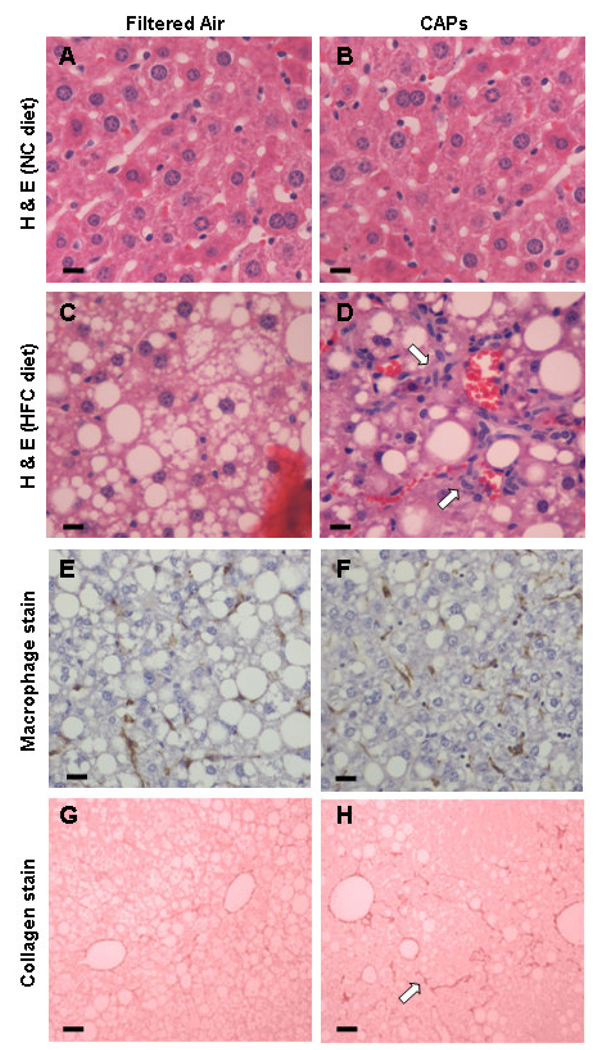
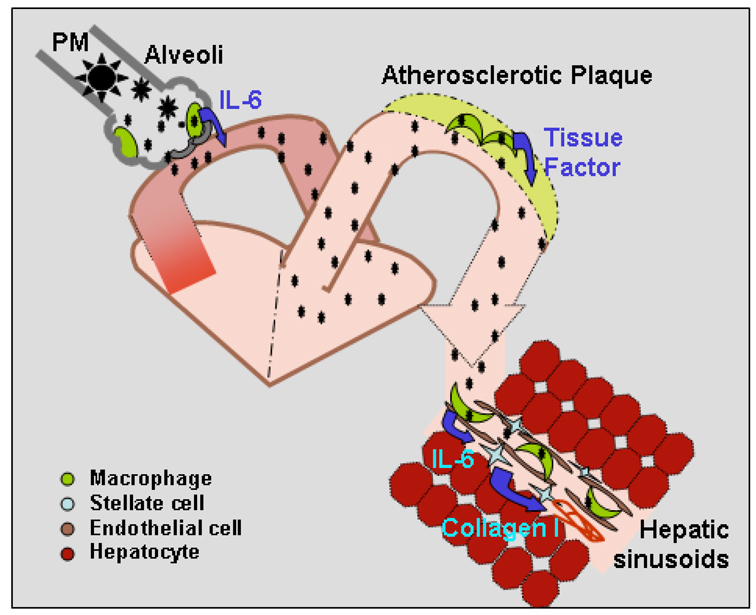
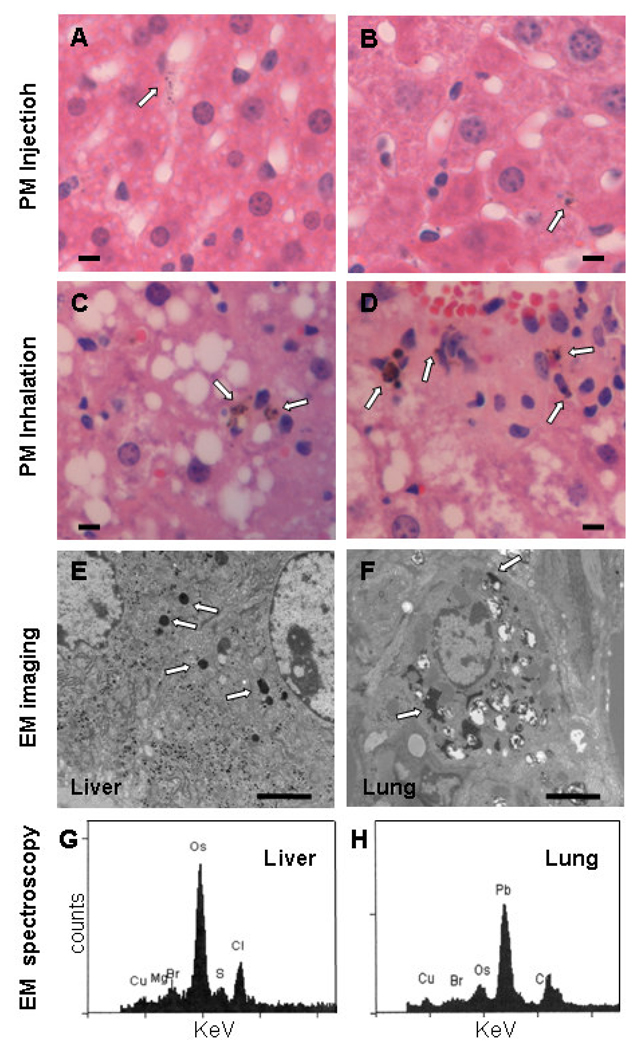
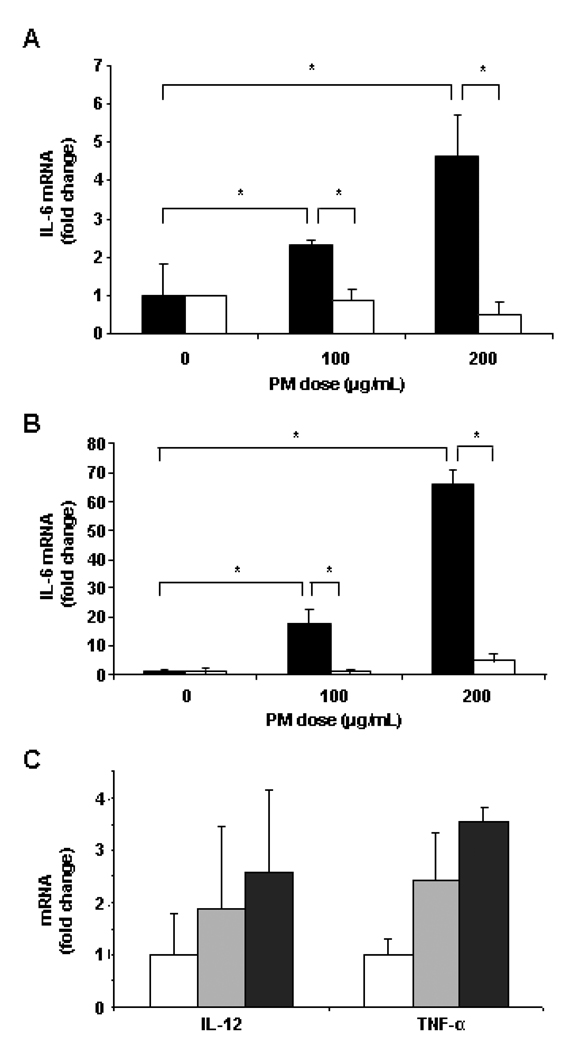
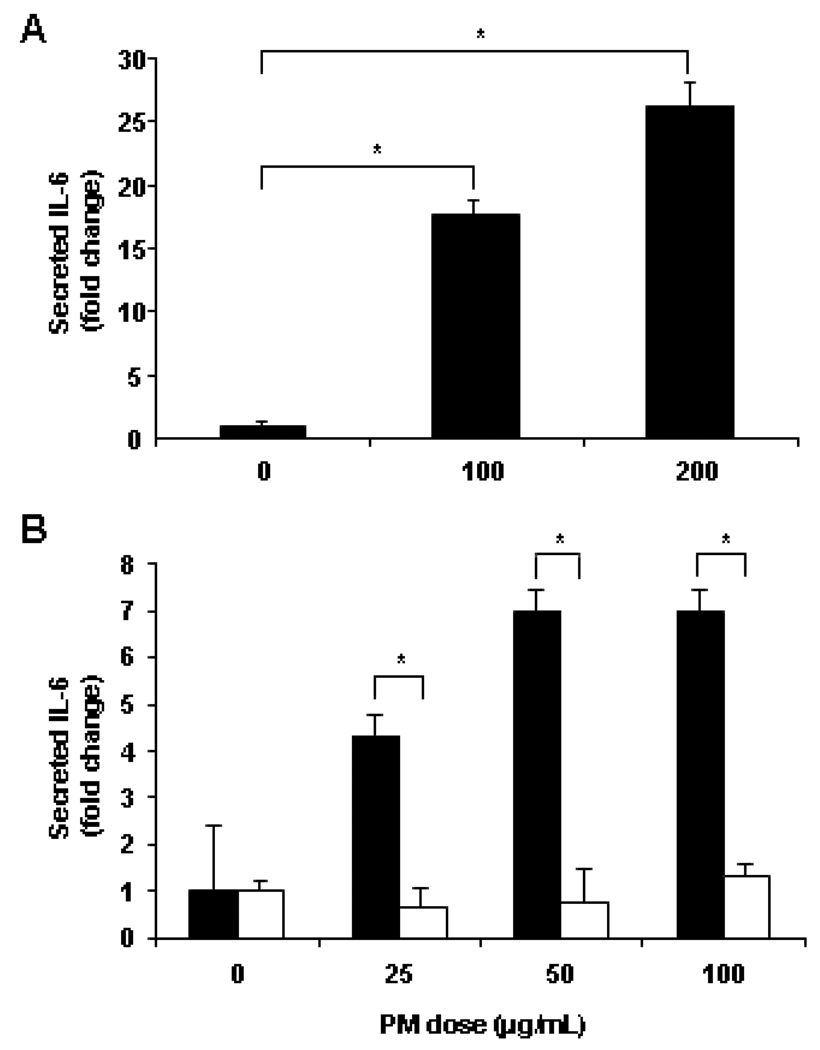
Owing to increased obesity, non-alcoholic fatty liver disease (NAFLD) is now the most prevalent liver disease in the United States. NAFLD is considered a component of metabolic syndrome, a cluster of disorders that also includes diabetes mellitus, dyslipidemia, arteriosclerosis, and hypertension. Exposure to ambient air particulate matter with aerodynamic diameters < 2.5 microm (PM(2.5)) is a risk factor for arteriosclerosis and lung disease, but its effect on NAFLD is unknown. PM(2.5) induces pulmonary dysfunction via Toll-like receptor (TLR) activation on alveolar macrophages. TLR activation of Kupffer cells, resident hepatic macrophages, and subsequent pro-inflammatory cytokine production have been shown to play a key role in NAFLD progression. We hypothesized that PM(2.5) exposure is a significant risk factor for the progression of NAFLD. Thus, following exposure of male C57BL/6 mice fed high fat chow (HFC) to concentrated air particulate matter (CAPs) or filtered air for 6 weeks, progression of NAFLD was evaluated by standardized histological assessment of hepatic inflammation and fibrosis. In mice fed HFC, the hepatic inflammatory grade (3.00 +/- 0.00 vs. 1.50 +/- 0.71, P < 0.001) and fibrosis stage (1.00 +/- 0.00 vs. 0.60 +/- 0.52, P = 0.023) were both significantly higher in mice exposed to CAPs versus filtered air, respectively. Increased numbers of Kupffer cells contained PM in CAPs-exposed mice scores of (2.00 +/- 0.94 vs. 0.20 +/- 0.42, respectively, P < 0.001). PM exposure increased IL-6 secretion up to seven-fold in a dose-dependent manner by isolated wild-type but not TLR4(-/-) Kupffer cells (P < 0.050). In conclusion, ambient PM(2.5) exposure may be a significant risk factor for NAFLD progression.
由于肥胖症的增加,非酒精性脂肪性肝病(NAFLD)现在是美国最常见的肝病。NAFLD 被认为是代谢综合征的一个组成部分,代谢综合征是一组包括糖尿病、血脂异常、动脉硬化和高血压在内的疾病。暴露于空气动力学直径<2.5 微米的环境空气颗粒物(PM(2.5))是动脉硬化和肺部疾病的危险因素,但它对 NAFLD 的影响尚不清楚。PM(2.5)通过肺泡巨噬细胞上 Toll 样受体(TLR)的激活引起肺功能障碍。已经表明,Kupffer 细胞、驻留的肝巨噬细胞的 TLR 激活以及随后的促炎细胞因子的产生在 NAFLD 的进展中起关键作用。我们假设 PM(2.5)暴露是 NAFLD 进展的一个重要危险因素。因此,在给喂食高脂肪饲料(HFC)的雄性 C57BL/6 小鼠暴露于浓缩空气颗粒物(CAPs)或过滤空气 6 周后,通过对肝炎症和纤维化的标准化组织学评估来评估 NAFLD 的进展。在喂食 HFC 的小鼠中,暴露于 CAPs 的小鼠的肝炎症分级(3.00 +/- 0.00 与 1.50 +/- 0.71,P < 0.001)和纤维化阶段(1.00 +/- 0.00 与 0.60 +/- 0.52,P = 0.023)均显著高于暴露于过滤空气的小鼠。暴露于 CAPs 的小鼠的 Kupffer 细胞中含有更多的 PM,其评分分别为(2.00 +/- 0.94 与 0.20 +/- 0.42,P < 0.001)。PM 暴露以剂量依赖性方式使分离的野生型但不是 TLR4(-/-)Kupffer 细胞的 IL-6 分泌增加多达七倍(P < 0.050)。总之,环境 PM(2.5)暴露可能是 NAFLD 进展的一个重要危险因素。