Children's Hospital Oakland Research Institute, Oakland, California 94609-1673, USA.
Cancer Res. 2009 Dec 15;69(24):9457-64. doi: 10.1158/0008-5472.CAN-09-2341.
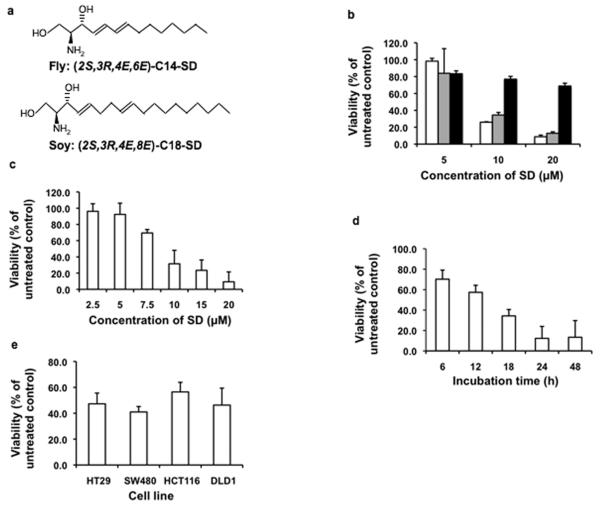
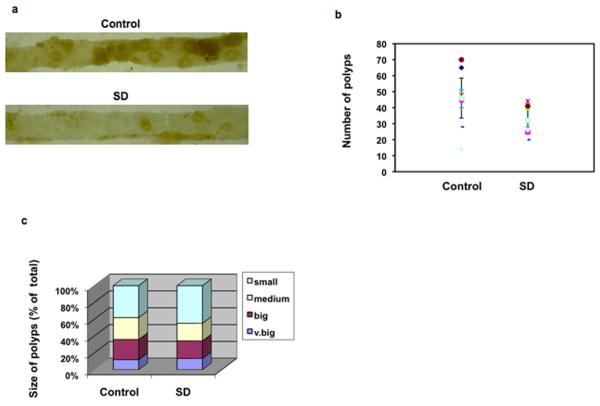
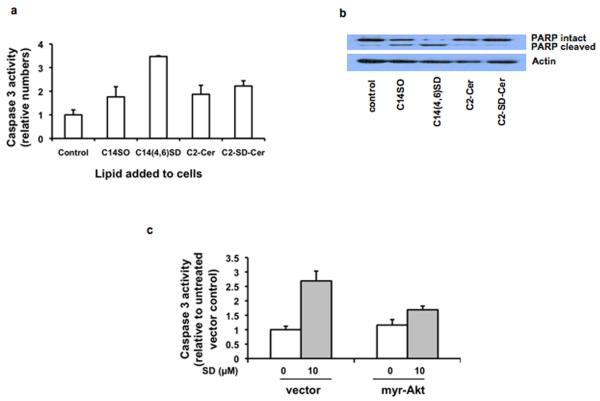
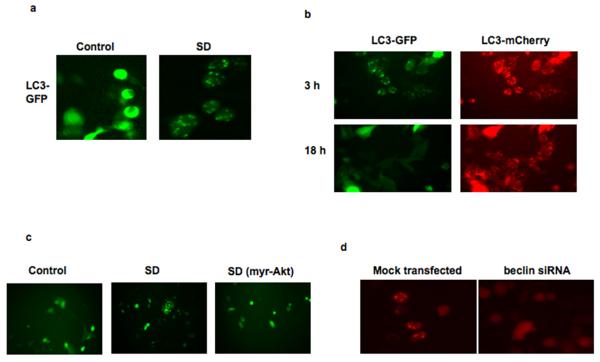
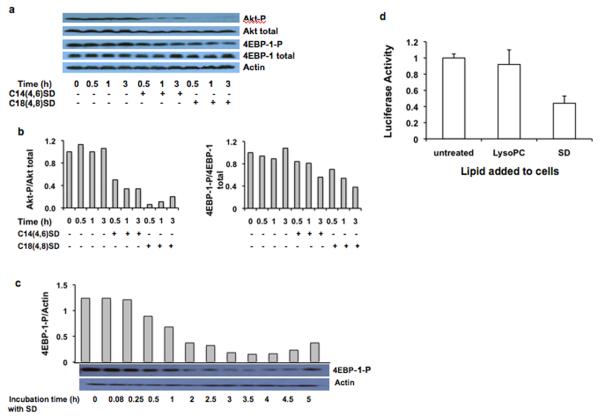
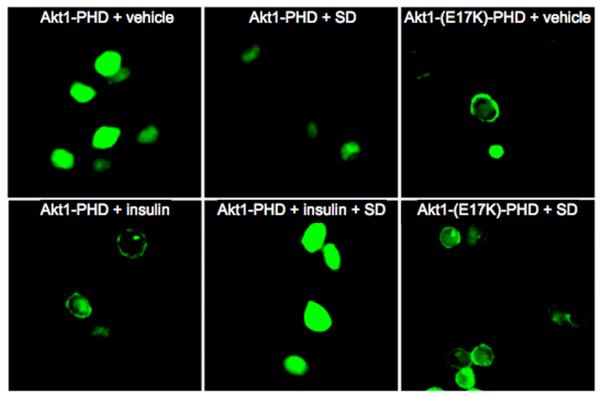
Sphingolipid metabolites regulate cell proliferation, migration, and stress responses. Alterations in sphingolipid metabolism have been proposed to contribute to carcinogenesis, cancer progression, and drug resistance. We identified a family of natural sphingolipids called sphingadienes and investigated their effects in colon cancer. We find that sphingadienes induce colon cancer cell death in vitro and prevent intestinal tumorigenesis in vivo. Sphingadienes exert their influence by blocking Akt translocation from the cytosol to the membrane, thereby inhibiting protein translation and promoting apoptosis and autophagy. Sphingadienes are orally available, are slowly metabolized through the sphingolipid degradative pathway, and show limited short-term toxicity. Thus, sphingadienes represent a new class of therapeutic and/or chemopreventive agents that blocks Akt signaling in neoplastic and preneoplastic cells.
鞘脂代谢物调节细胞增殖、迁移和应激反应。鞘脂代谢的改变被认为有助于癌症的发生、癌症的进展和耐药性。我们鉴定了一类称为神经鞘氨醇的天然鞘脂,并研究了它们在结肠癌中的作用。我们发现神经鞘氨醇在体外诱导结肠癌细胞死亡,并在体内预防肠道肿瘤发生。神经鞘氨醇通过阻断 Akt 从细胞质向膜的易位来发挥其作用,从而抑制蛋白质翻译并促进细胞凋亡和自噬。神经鞘氨醇可口服,通过鞘脂降解途径缓慢代谢,并且表现出有限的短期毒性。因此,神经鞘氨醇代表了一类新的治疗和/或化学预防药物,可阻断肿瘤和癌前细胞中的 Akt 信号。