Department of Microbiology and Immunology, Albert Einstein College of Medicine, Bronx, NY 10461, USA.
Semin Immunol. 2010 Apr;22(2):68-78. doi: 10.1016/j.smim.2009.10.003. Epub 2009 Nov 27.
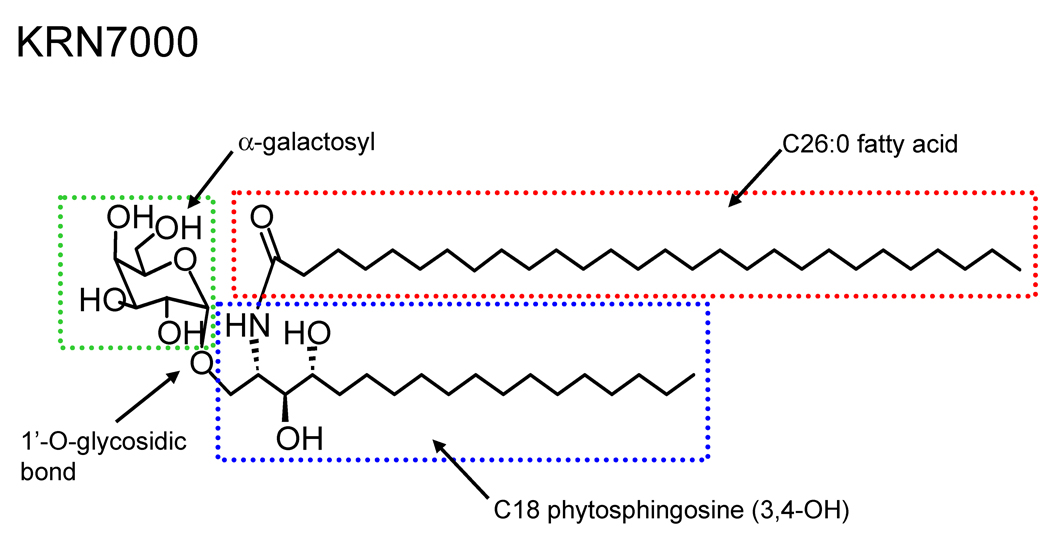
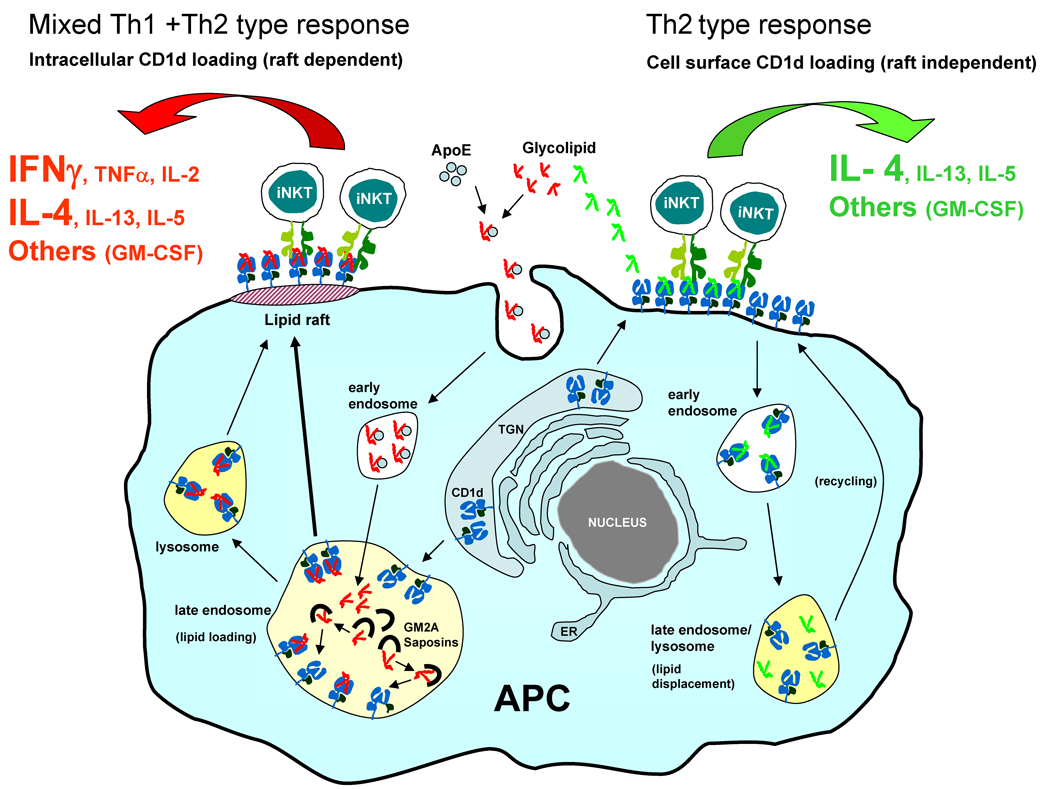
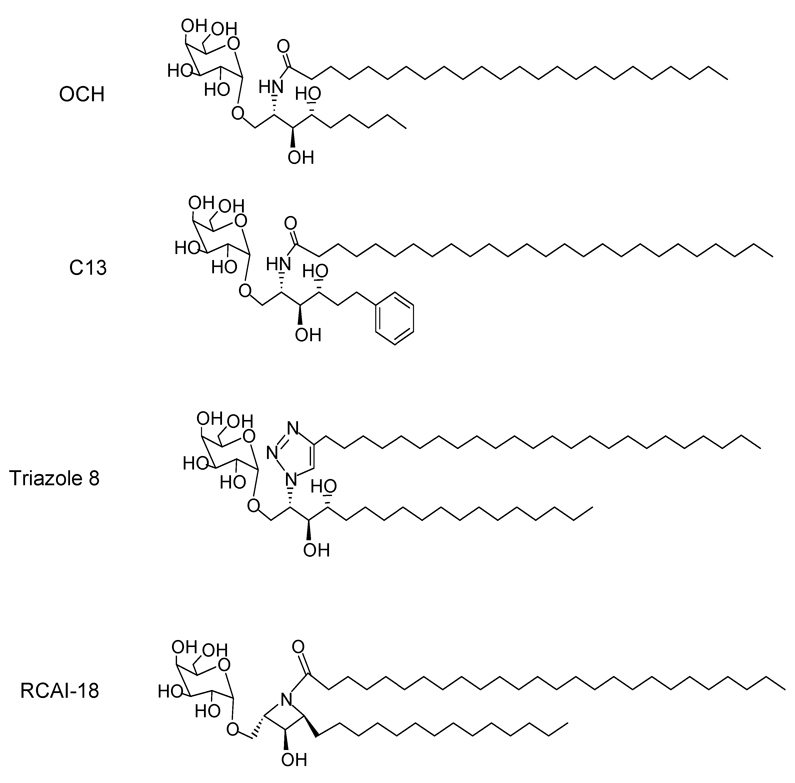
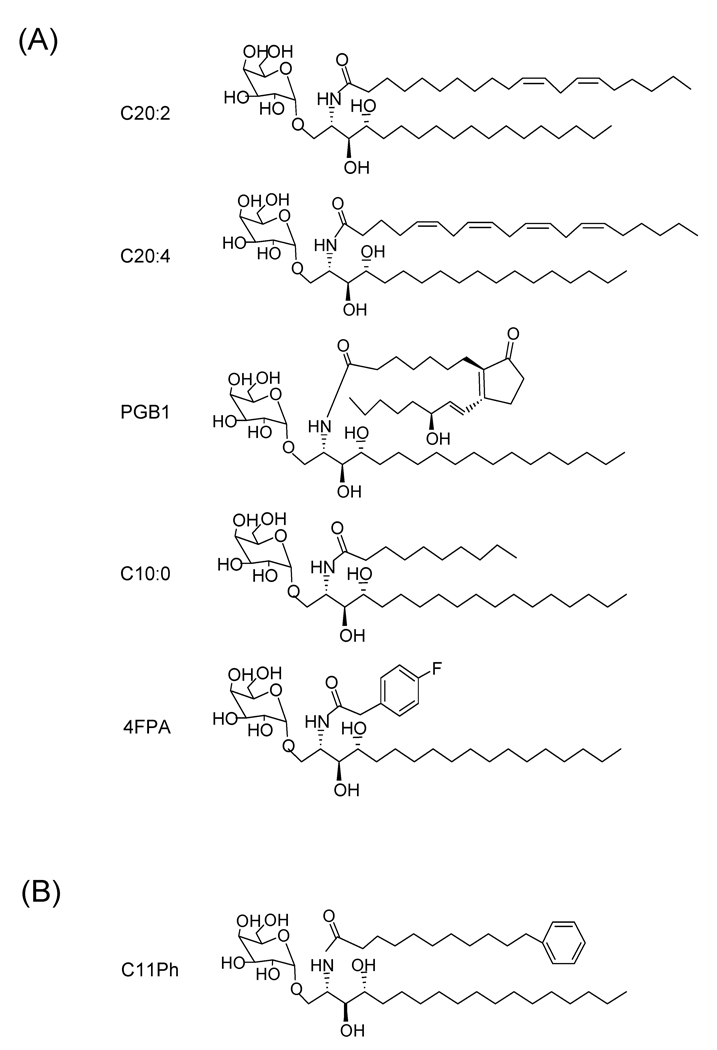
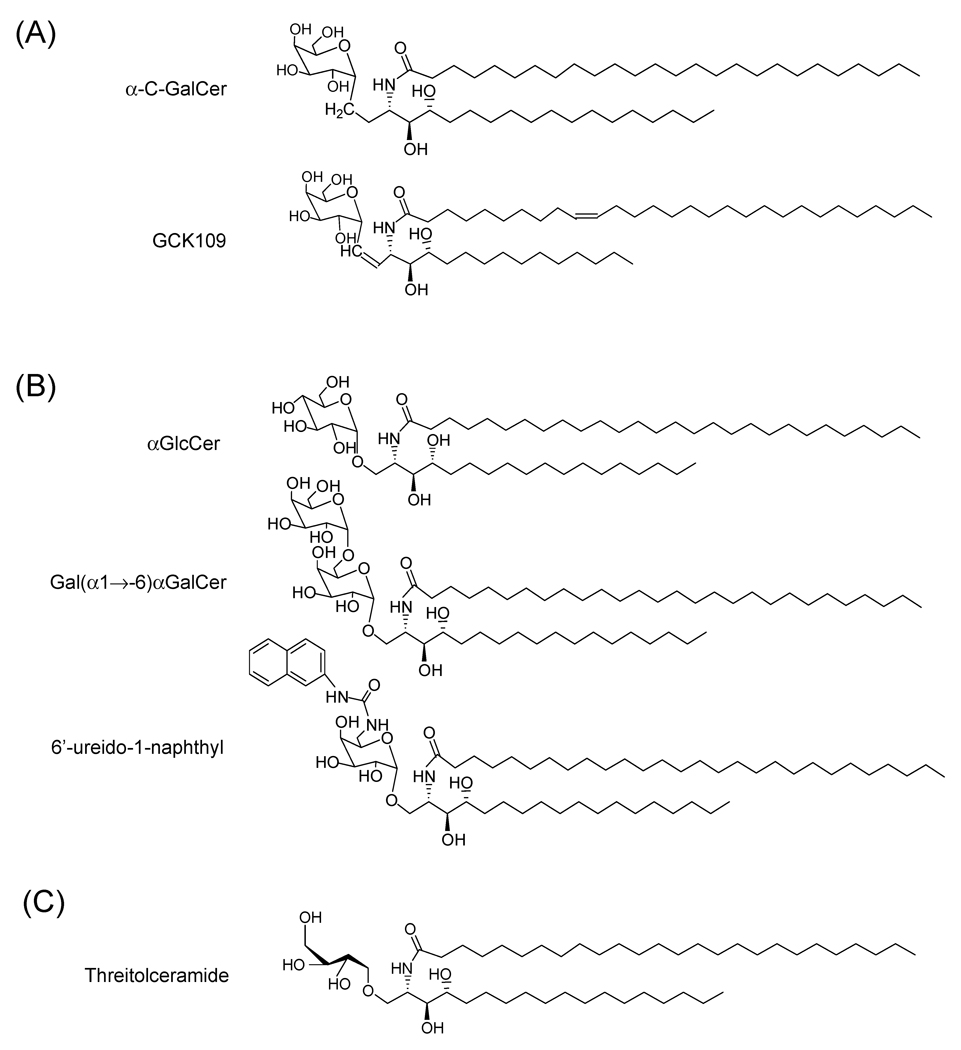
In spite of their relatively limited antigen receptor repertoire, CD1d-restricted NKT cells recognize a surprisingly diverse range of lipid and glycolipid antigens. Recent studies of natural and synthetic CD1d-presented antigens provide an increasingly detailed picture of how the specific structural features of these lipids and glycolipids influence their ability to be presented to NKT cells and stimulate their diverse immunologic functions. Particularly for synthetic analogues of alpha-galactosylceramides which have been the focus of intense recent investigation, it is becoming clear that the design of glycolipid antigens with the ability to precisely control the specific immunologic activities of NKT cells is likely to be feasible. The emerging details of the mechanisms underlying the structure-activity relationship of NKT cell antigens will assist greatly in the design and production of immunomodulatory agents for the precise manipulation of NKT cells and the many other components of the immune system that they influence.
尽管 CD1d 限制的 NKT 细胞的抗原受体 repertoire 相对有限,但它们能够识别出令人惊讶的多样化的脂质和糖脂抗原。最近对天然和合成 CD1d 呈递抗原的研究提供了越来越详细的信息,说明了这些脂质和糖脂的特定结构特征如何影响它们被呈递给 NKT 细胞并刺激其多样化的免疫功能的能力。特别是对于最近受到强烈关注的α-半乳糖神经酰胺的合成类似物,很明显,设计具有精确控制 NKT 细胞特定免疫活性的糖脂抗原很可能是可行的。NKT 细胞抗原的结构-活性关系背后的机制的新细节将极大地帮助设计和生产免疫调节剂,以精确地操纵 NKT 细胞和它们影响的免疫系统的许多其他成分。