Institute for Cancer Genetics, Columbia University Medical Center, New York, New York 10032, USA.
Nature. 2010 Jan 21;463(7279):318-25. doi: 10.1038/nature08712. Epub 2009 Dec 23.
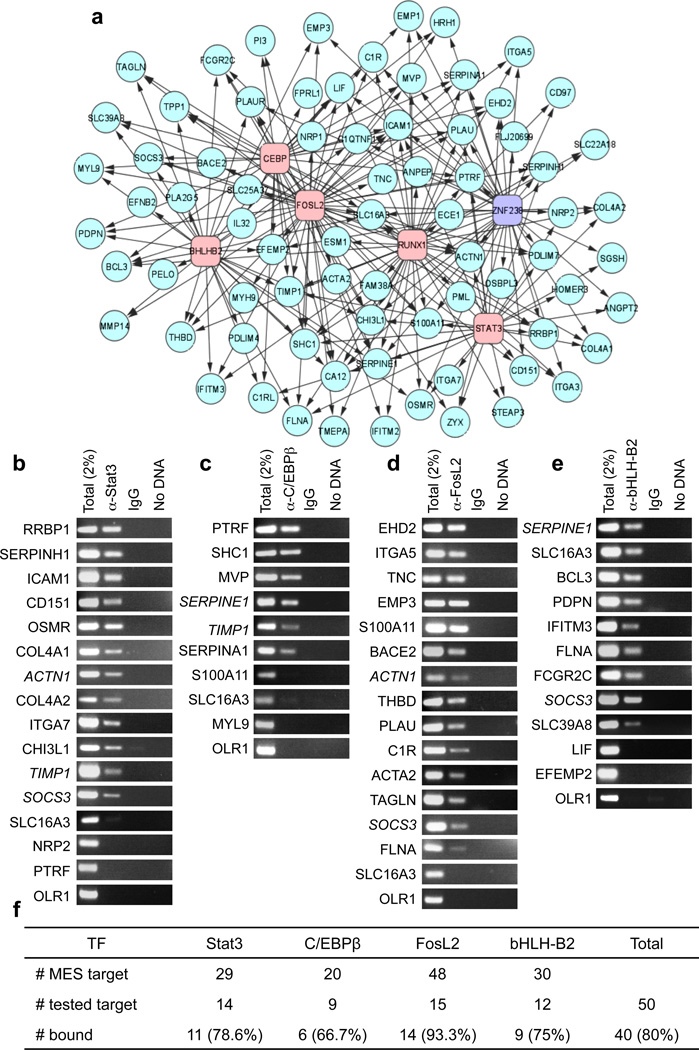
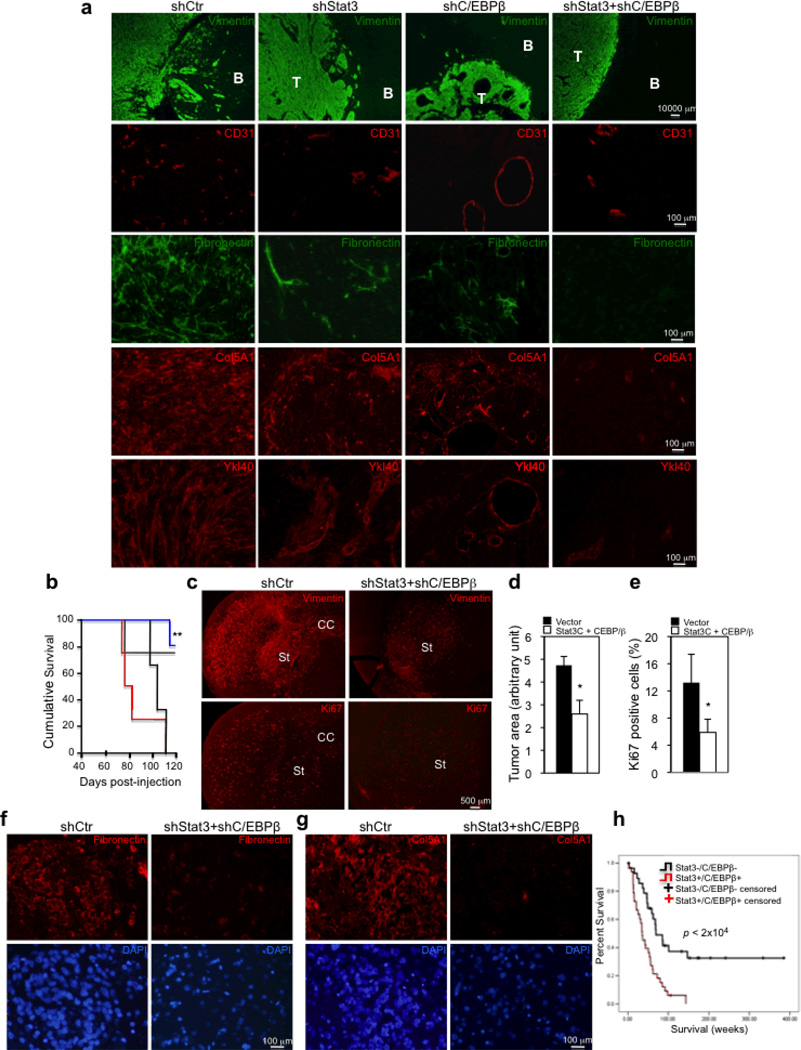
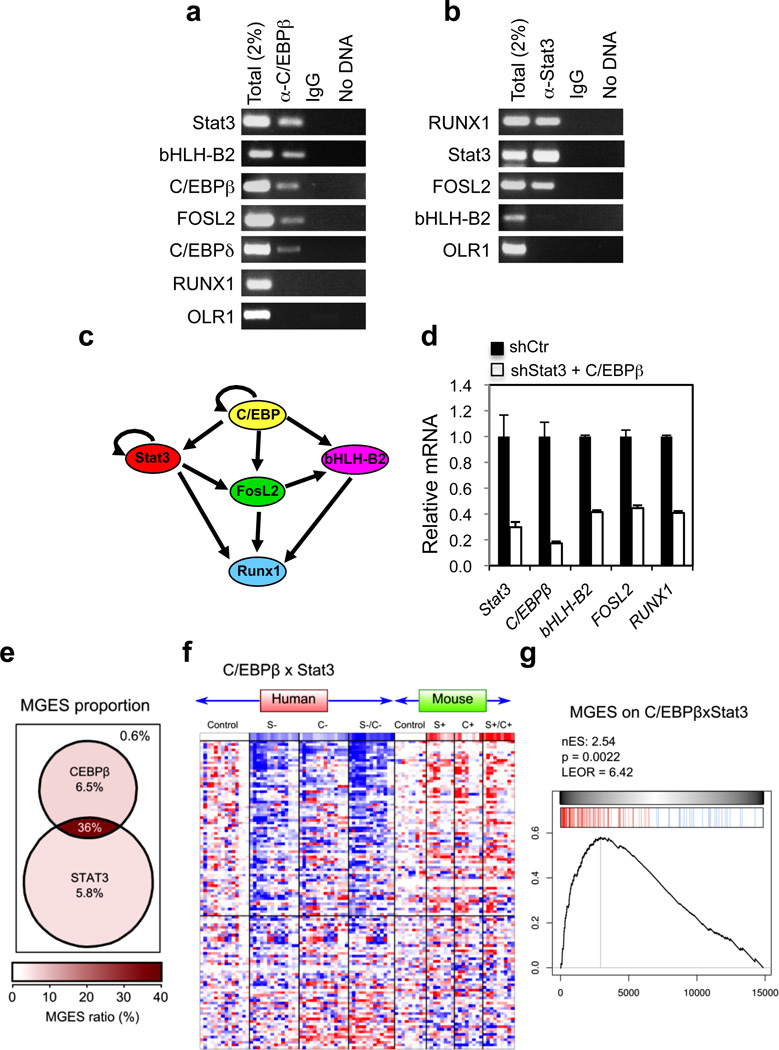
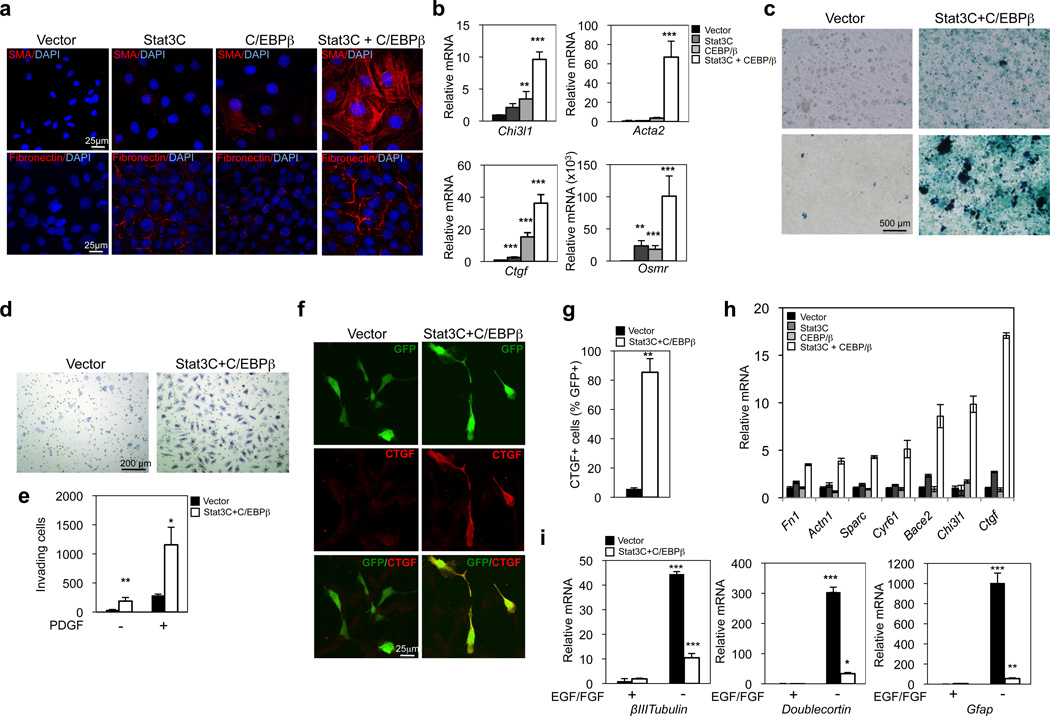
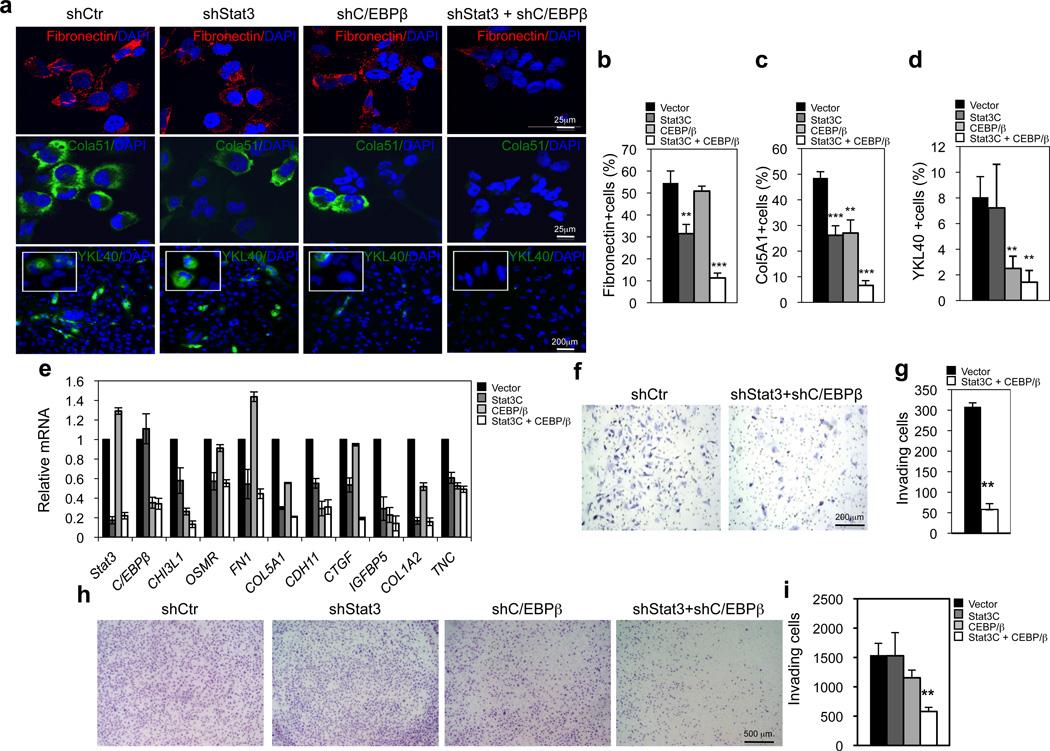
The inference of transcriptional networks that regulate transitions into physiological or pathological cellular states remains a central challenge in systems biology. A mesenchymal phenotype is the hallmark of tumour aggressiveness in human malignant glioma, but the regulatory programs responsible for implementing the associated molecular signature are largely unknown. Here we show that reverse-engineering and an unbiased interrogation of a glioma-specific regulatory network reveal the transcriptional module that activates expression of mesenchymal genes in malignant glioma. Two transcription factors (C/EBPbeta and STAT3) emerge as synergistic initiators and master regulators of mesenchymal transformation. Ectopic co-expression of C/EBPbeta and STAT3 reprograms neural stem cells along the aberrant mesenchymal lineage, whereas elimination of the two factors in glioma cells leads to collapse of the mesenchymal signature and reduces tumour aggressiveness. In human glioma, expression of C/EBPbeta and STAT3 correlates with mesenchymal differentiation and predicts poor clinical outcome. These results show that the activation of a small regulatory module is necessary and sufficient to initiate and maintain an aberrant phenotypic state in cancer cells.
推断调节细胞向生理或病理状态转变的转录网络仍然是系统生物学的一个核心挑战。间充质表型是人类恶性神经胶质瘤侵袭性的标志,但负责实施相关分子特征的调控程序在很大程度上是未知的。在这里,我们展示了通过对神经胶质瘤特异性调控网络的反向工程和无偏置询问,揭示了激活恶性神经胶质瘤中间充质基因表达的转录模块。两个转录因子(C/EBPβ 和 STAT3)作为协同启动子和间充质转化的主要调控因子出现。异位共表达 C/EBPβ 和 STAT3 可使神经干细胞沿着异常的间充质谱系重新编程,而在神经胶质瘤细胞中消除这两个因子会导致间充质特征的崩溃,并降低肿瘤的侵袭性。在人类神经胶质瘤中,C/EBPβ 和 STAT3 的表达与间充质分化相关,并预测预后不良。这些结果表明,一个小的调控模块的激活对于启动和维持癌细胞中异常表型状态是必要和充分的。