Department of Anatomical Sciences & Neurobiology, University of Louisville School of Medicine, Kentucky 40292, USA.
J Comp Neurol. 2010 Mar 1;518(5):622-35. doi: 10.1002/cne.22223.
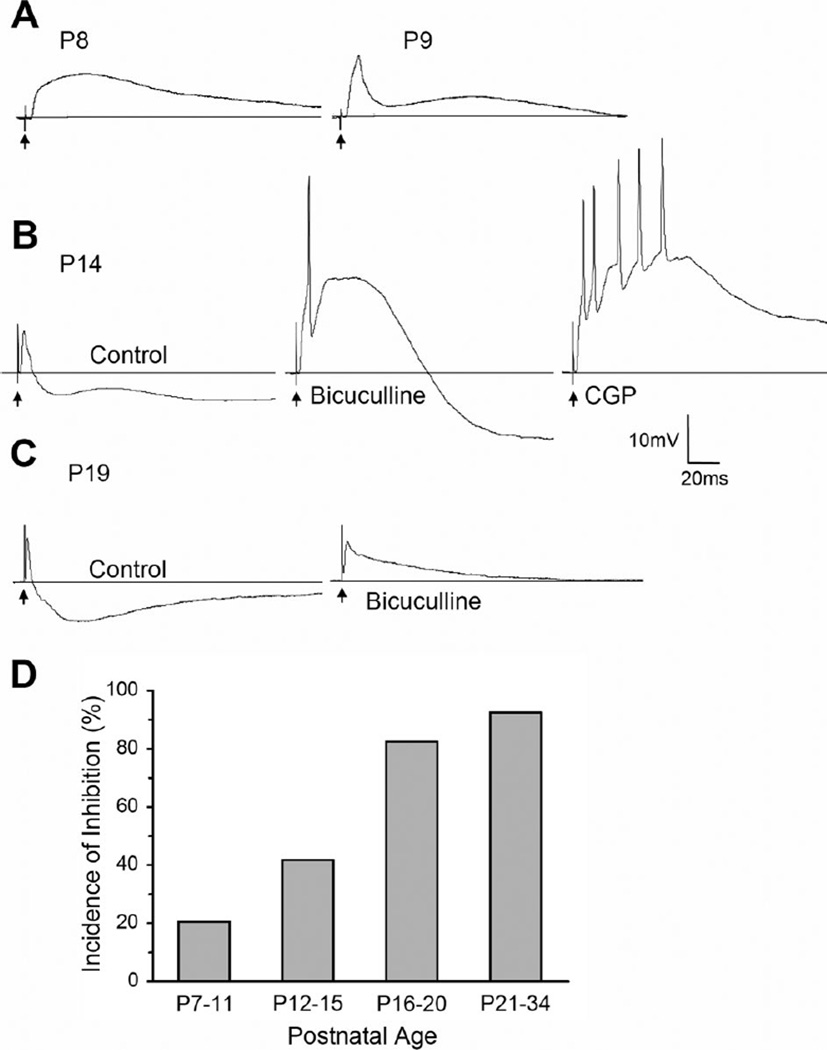
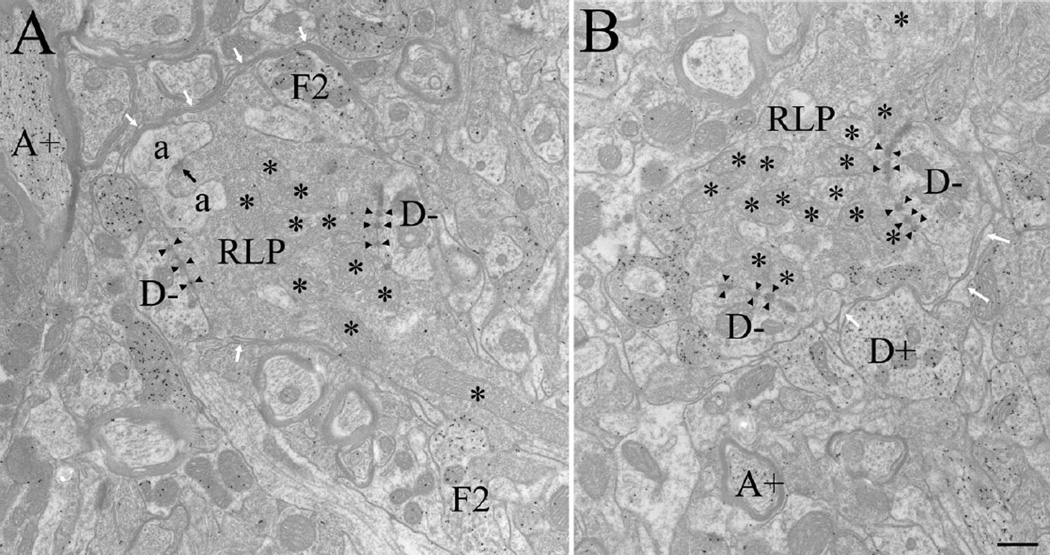
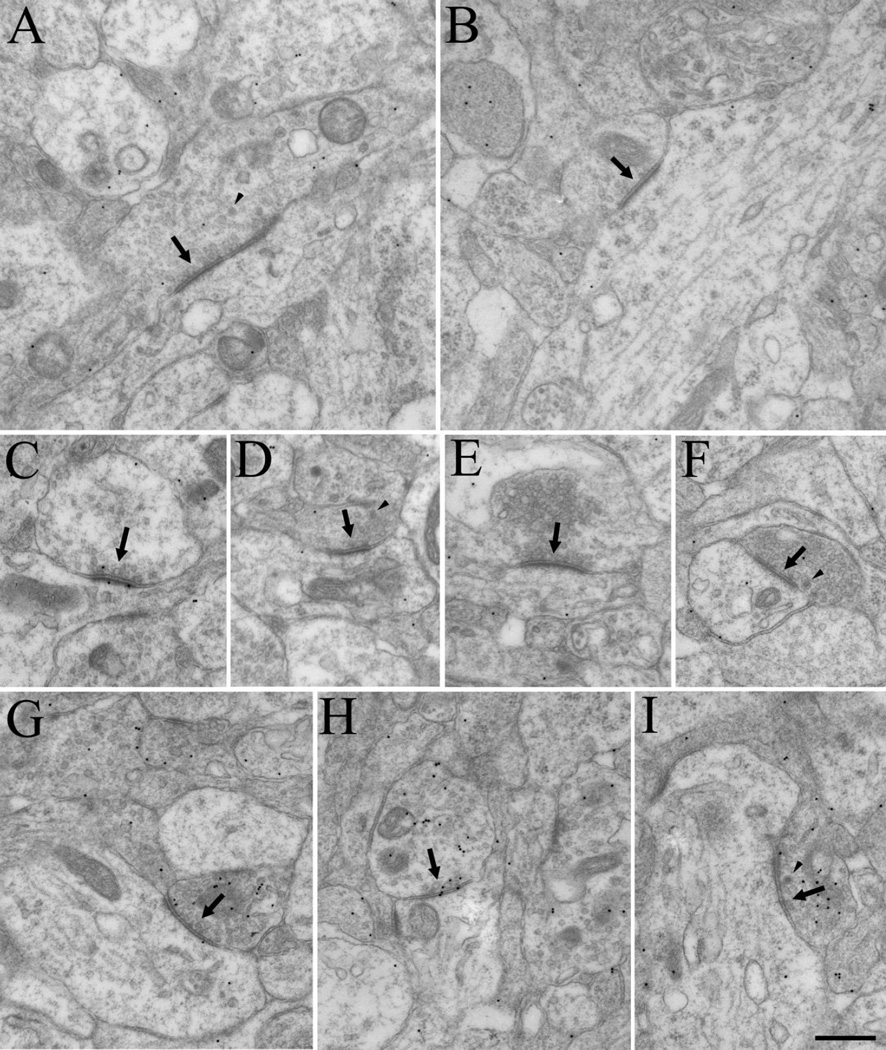
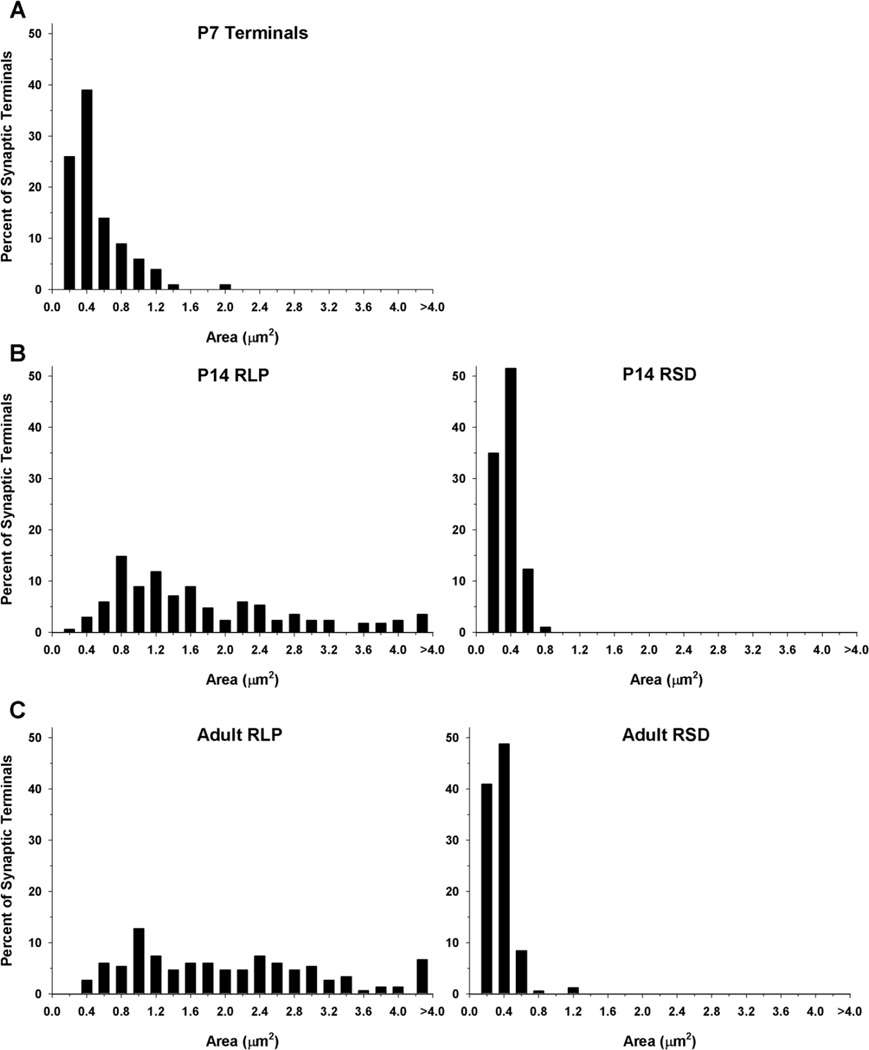
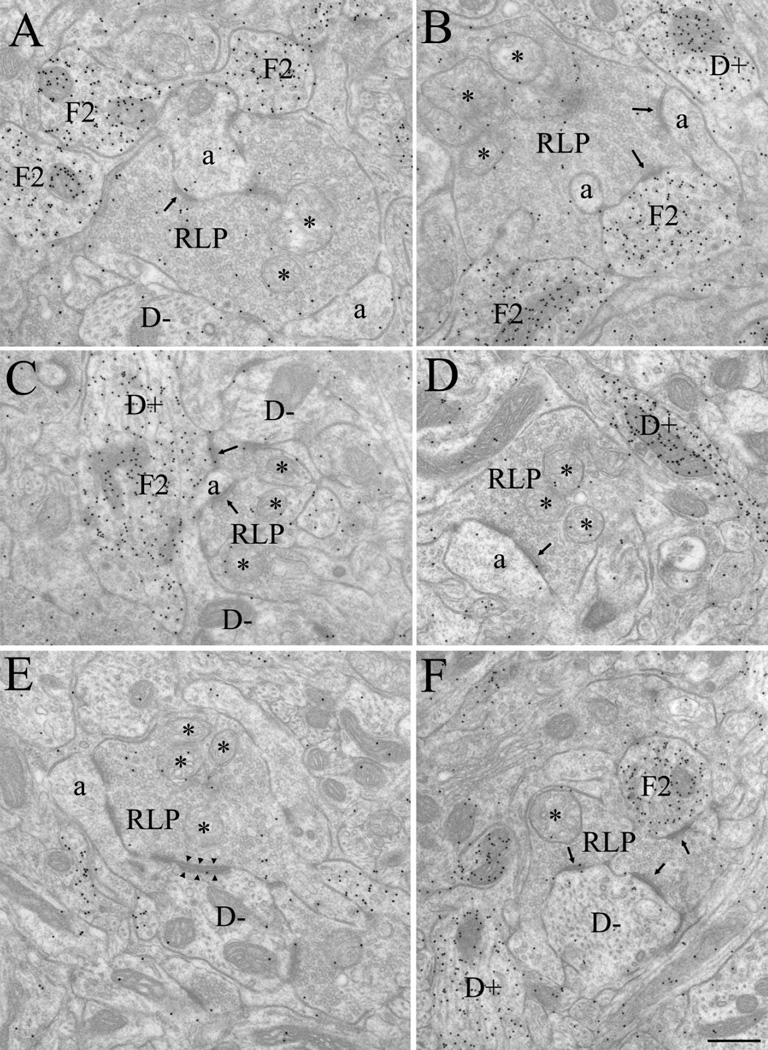
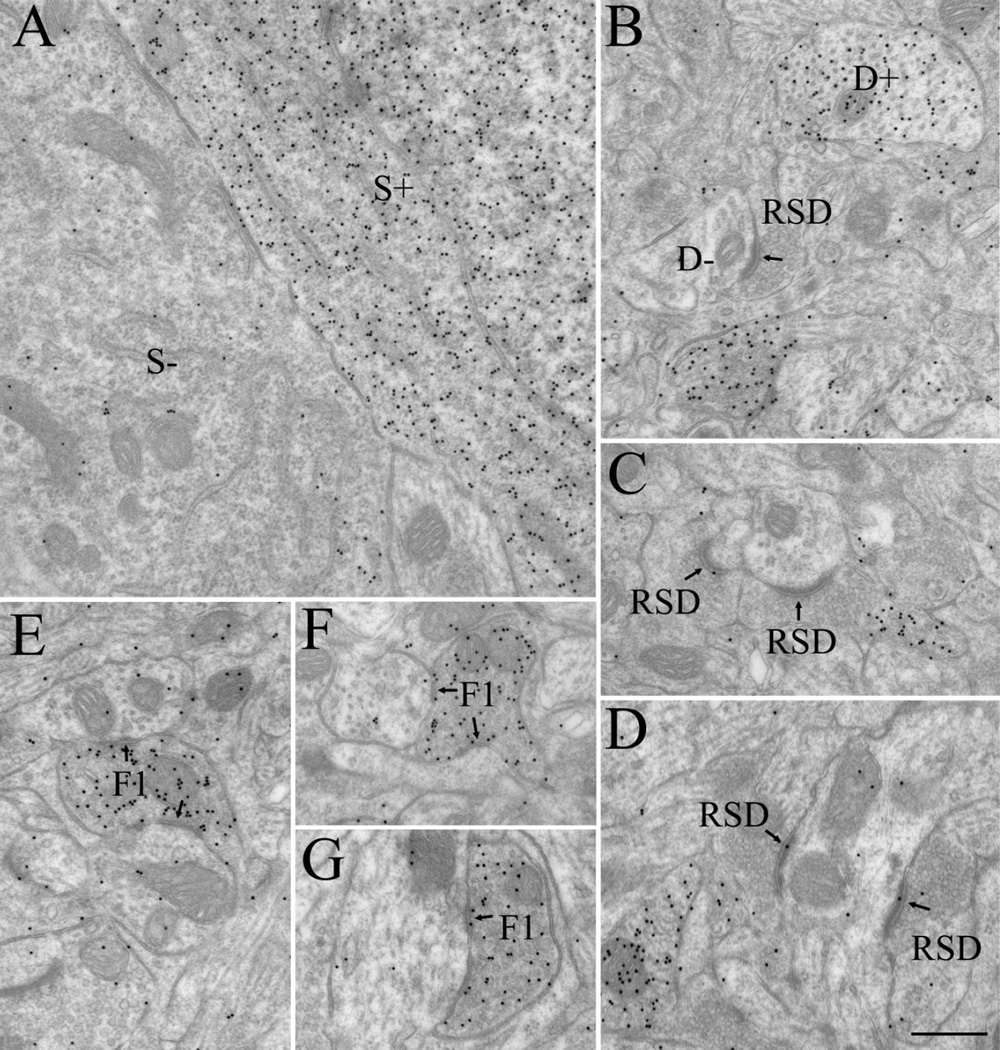
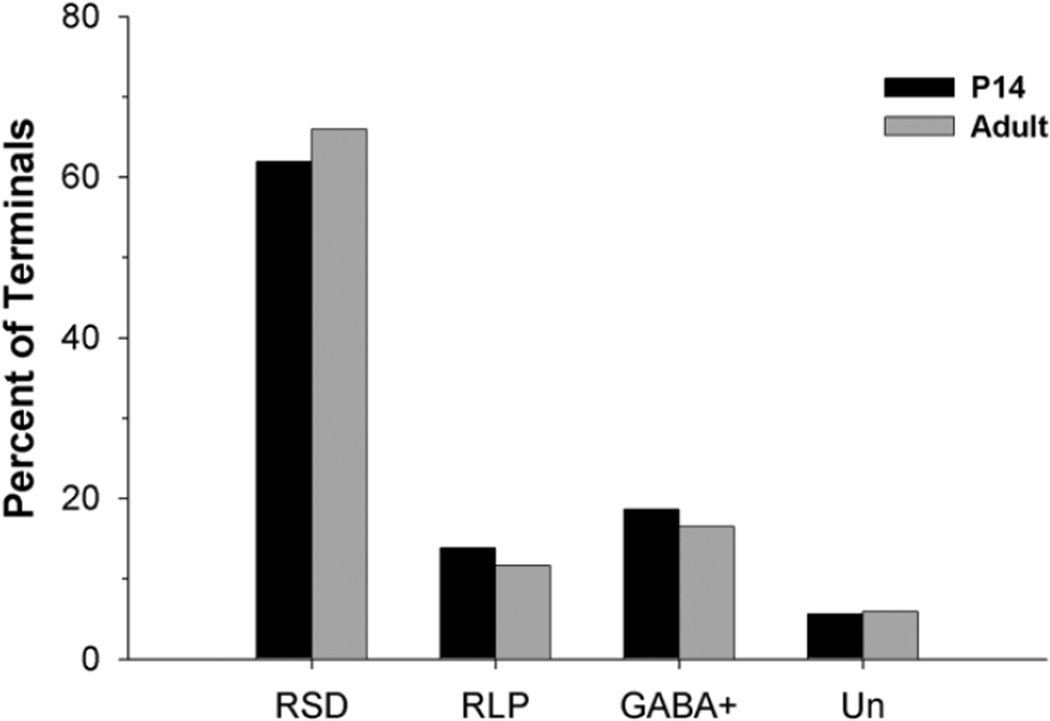
The dorsal lateral geniculate nucleus (dLGN) of the mouse has emerged as a model system in the study of thalamic circuit development. However, there is still a lack of information regarding how and when various types of retinal and nonretinal synapses develop. We examined the synaptic organization of the developing mouse dLGN in the common pigmented C57/BL6 strain, by recording the synaptic responses evoked by electrical stimulation of optic tract axons, and by investigating the ultrastructure of identified synapses. At early postnatal ages (<P12), optic tract evoked responses were primarily excitatory. The full complement of inhibitory responses did not emerge until after eye opening (>P14), when optic tract stimulation routinely evoked an excitatory postsynaptic potential/inhibitory postsynaptic potential (EPSP/IPSP) sequence, with the latter having both a GABA(A) and GABA(B) component. Electrophysiological and ultrastructural observations were consistent. At P7, many synapses were present, but synaptic profiles lacked the ultrastructural features characteristic of the adult dLGN, and little gamma-aminobutyric acid (GABA) could be detected by using immunocytochemical techniques. In contrast, by P14, GABA staining was robust, mature synaptic profiles of retinal and nonretinal origin were easily distinguished, and the size and proportion of synaptic contacts were similar to those of the adult. The emergence of nonretinal synapses coincides with pruning of retinogeniculate connections, and the transition of retinal activity from spontaneous to visually driven. These results indicate that the synaptic architecture of the mouse dLGN is similar to that of other higher mammals, and thus provides further support for its use as a model system for visual system development.
小鼠背外侧膝状核 (dLGN) 已成为研究丘脑回路发育的模型系统。然而,关于各种类型的视网膜和非视网膜突触是如何以及何时发育的,仍缺乏信息。我们通过记录视神经束轴突电刺激引起的突触反应,并研究鉴定突触的超微结构,研究了常见色素 C57/BL6 品系中发育中的小鼠 dLGN 的突触组织。在早期 postnatal 年龄 (<P12),视神经束诱发的反应主要是兴奋性的。完全抑制性反应的出现直到眼睛睁开 (>P14) 后才出现,此时视神经束刺激通常会诱发兴奋性突触后电位/抑制性突触后电位 (EPSP/IPSP) 序列,后者具有 GABA(A) 和 GABA(B) 两种成分。电生理和超微结构观察结果一致。在 P7 时,存在许多突触,但突触形态缺乏成年 dLGN 的超微结构特征,并且使用免疫细胞化学技术几乎检测不到γ-氨基丁酸 (GABA)。相比之下,在 P14 时,GABA 染色强烈,视网膜和非视网膜来源的成熟突触形态很容易区分,并且突触接触的大小和比例与成年相似。非视网膜突触的出现与视放射连接的修剪以及视网膜活动从自发向视觉驱动的转变同时发生。这些结果表明,小鼠 dLGN 的突触结构与其他高等哺乳动物相似,因此为其作为视觉系统发育模型系统的应用提供了进一步的支持。