Department of Pharmacology and Toxicology, Medical College of Wisconsin, Milwaukee, Wis 53226, USA.
Hypertension. 2010 Feb;55(2):547-54. doi: 10.1161/HYPERTENSIONAHA.109.144147. Epub 2009 Dec 28.
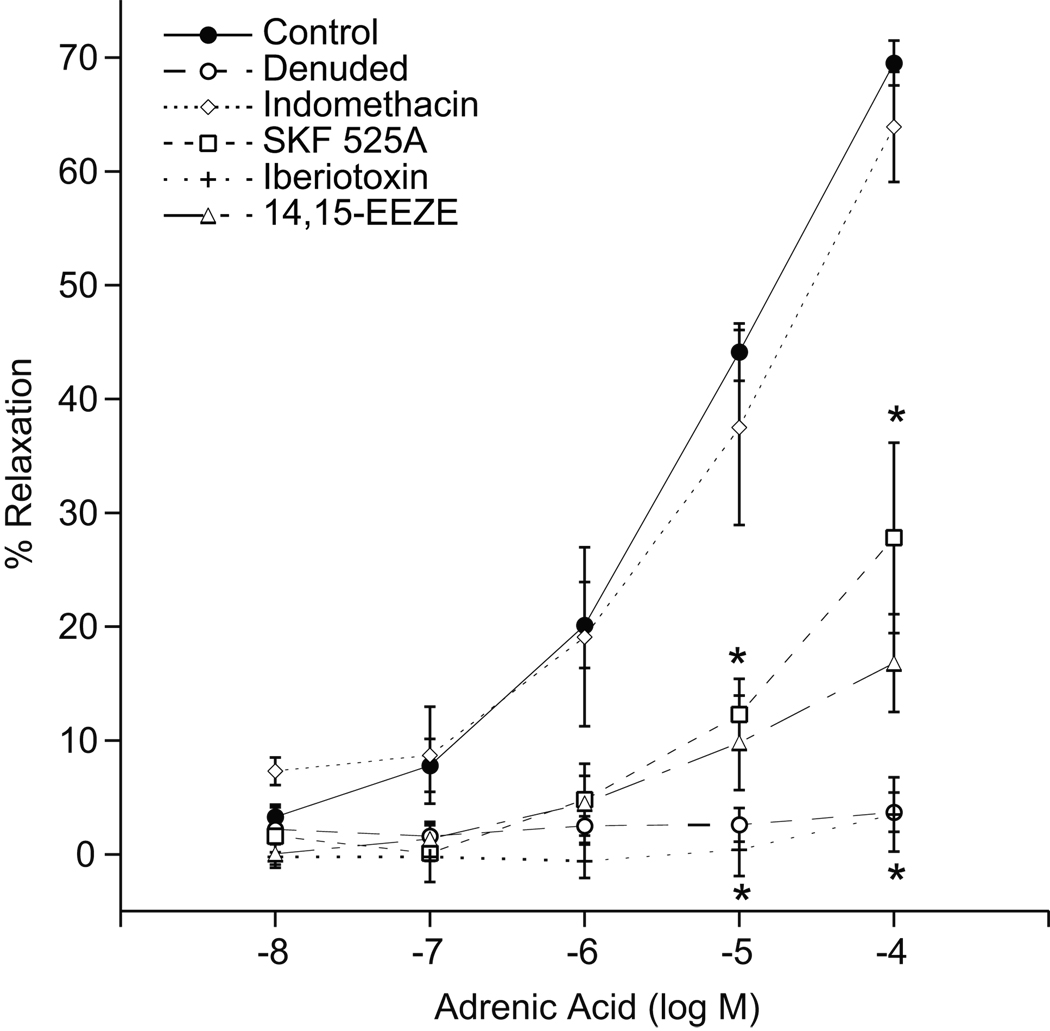
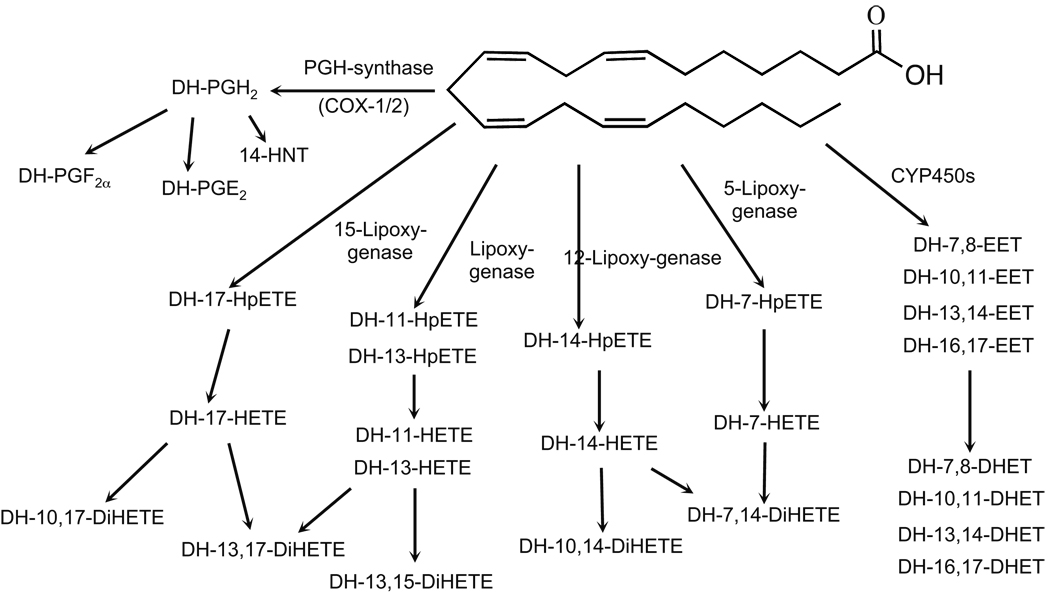
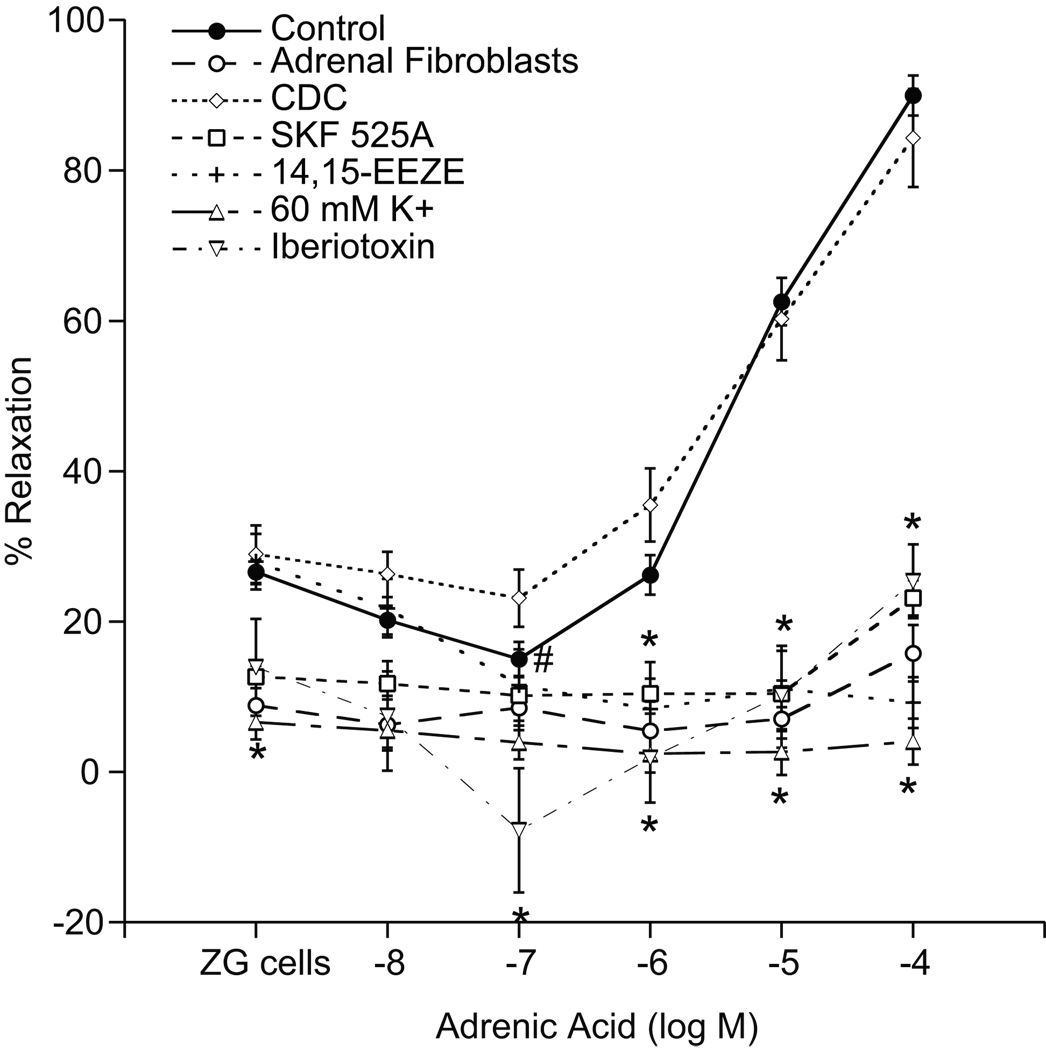
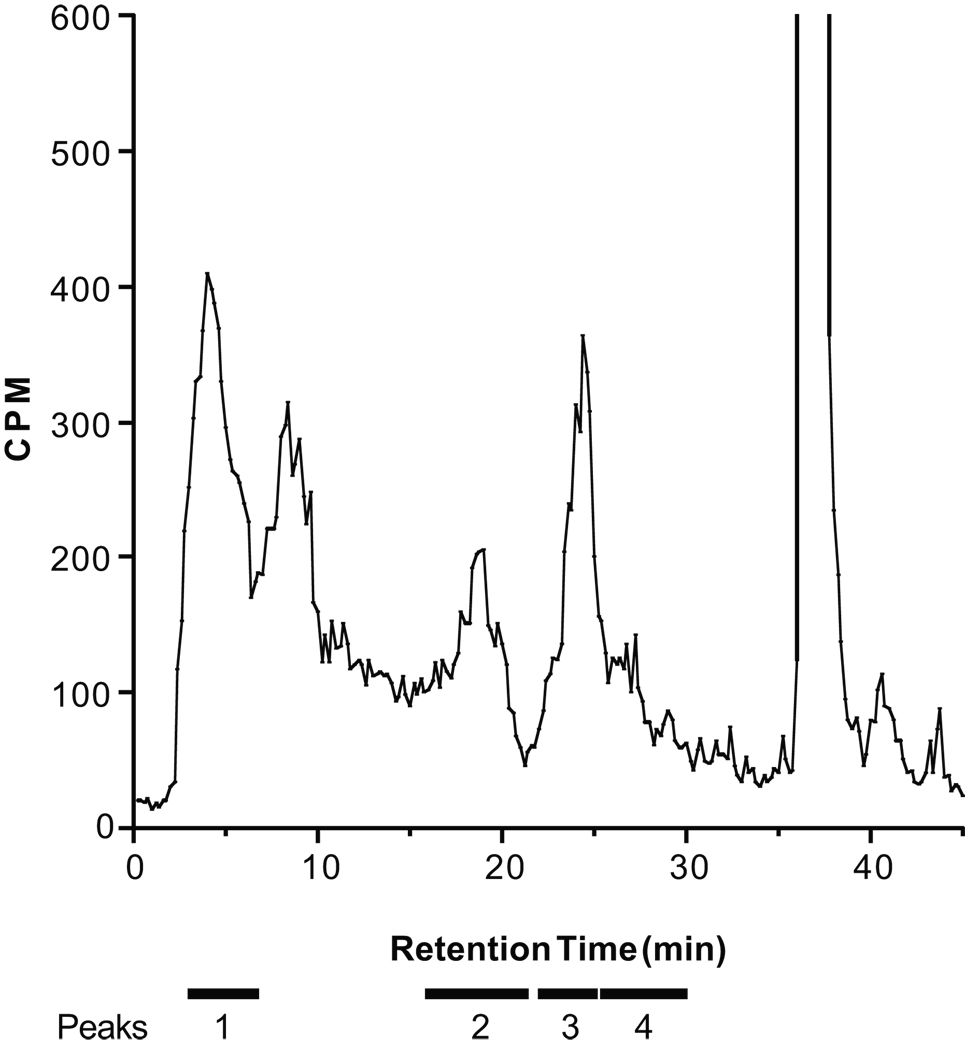
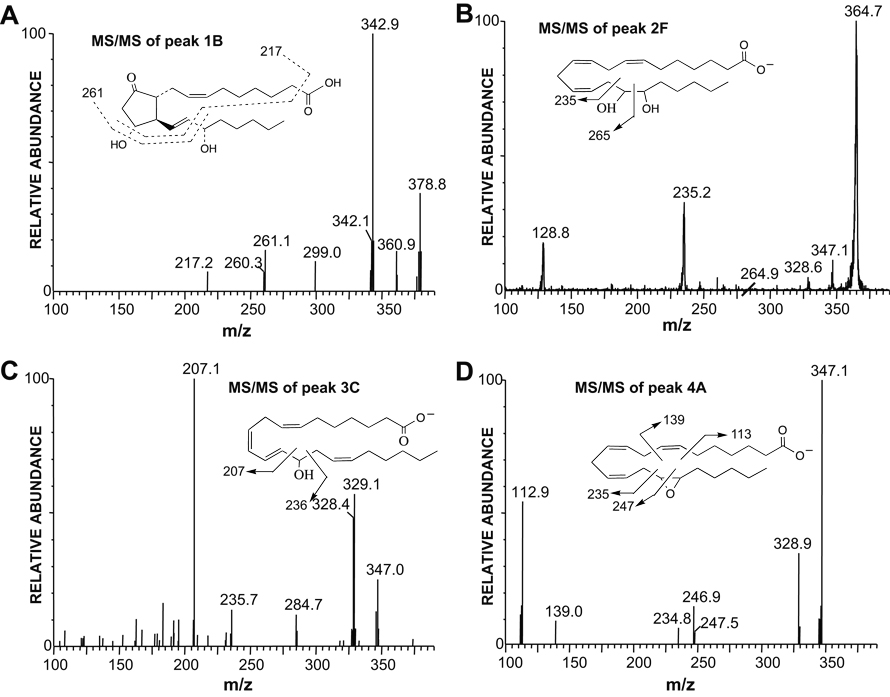
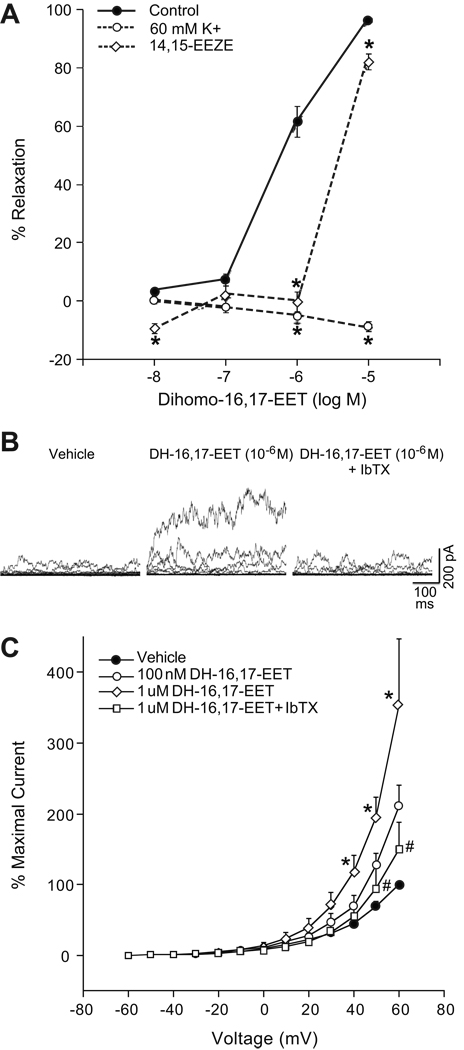
Adrenic acid (docosatetraenoic acid), an abundant fatty acid in the adrenal gland, is identical to arachidonic acid except for 2 additional carbons on the carboxyl end. Adrenic acid is metabolized by cyclooxygenases, cytochrome P450s, and lipoxygenases; however, little is known regarding the role of adrenic acid and its metabolites in vascular tone. Because of its abundance in the adrenal gland, we investigated the role of adrenic acid in vascular tone of bovine adrenal cortical arteries and its metabolism by bovine adrenal zona glomerulosa cells. In adrenal cortical arteries, adrenic acid caused concentration-dependent relaxations, which were inhibited by the epoxyeicosatrienoic acid antagonist 14,15-epoxyeicosa-5(Z)-enoic acid and the cytochrome P450 inhibitor SKF-525A. The large-conductance calcium-activated potassium channel blocker iberiotoxin or removal of the endothelium abolished these relaxations. Reverse-phase high-pressure liquid chromatography and liquid chromatography/mass spectrometry isolated and identified numerous adrenic acid metabolites from zona glomerulosa cells, including dihomo-epoxyeicosatrienoic acids and dihomo-prostaglandins. In denuded adrenal cortical arteries, adrenic acid caused concentration-dependent relaxations in the presence of zona glomerulosa cells but not in their absence. These relaxations were inhibited by SKF-525A, 14,15-epoxyeicosa-5(Z)-enoic acid, and iberiotoxin. Dihomo-16,17-epoxyeicosatrienoic acid caused concentration-dependent relaxations of adrenal cortical arteries, which were inhibited by 14,15-epoxyeicosa-5(Z)-enoic acid and high potassium. Our results suggest that adrenic acid relaxations of bovine adrenal cortical arteries are mediated by endothelial and zona glomerulosa cell cytochrome P450 metabolites. Thus, adrenic acid metabolites could function as endogenous endothelium-derived and zona glomerulosa-derived hyperpolarizing factors in the adrenal cortex and contribute to the regulation of adrenal blood flow.
花生四烯酸(二十二碳四烯酸)是肾上腺中一种丰富的脂肪酸,除了羧基端有 2 个额外的碳原子外,与花生酸完全相同。花生四烯酸可被环加氧酶、细胞色素 P450 和脂加氧酶代谢;然而,关于花生四烯酸及其代谢物在血管张力中的作用知之甚少。由于其在肾上腺中的丰富含量,我们研究了花生四烯酸在牛肾上腺皮质动脉血管张力中的作用及其在牛肾上腺球状带细胞中的代谢。在肾上腺皮质动脉中,花生四烯酸引起浓度依赖性舒张,这种舒张被环氧二十碳三烯酸拮抗剂 14,15-环氧二十碳五烯酸和细胞色素 P450 抑制剂 SKF-525A 抑制。大电导钙激活钾通道阻滞剂 Iberiotoxin 或去除内皮细胞可消除这些舒张反应。反相高效液相色谱和液相色谱/质谱从球状带细胞中分离并鉴定了许多花生四烯酸代谢物,包括二氢环氧二十碳三烯酸和二氢前列腺素。在去内皮的肾上腺皮质动脉中,在有球状带细胞存在的情况下,花生四烯酸引起浓度依赖性舒张,但在没有球状带细胞存在的情况下则不会。这些舒张反应被 SKF-525A、14,15-环氧二十碳五烯酸和 Iberiotoxin 抑制。二氢 16,17-环氧二十碳三烯酸引起肾上腺皮质动脉浓度依赖性舒张,这种舒张被 14,15-环氧二十碳五烯酸和高钾抑制。我们的结果表明,牛肾上腺皮质动脉的花生四烯酸舒张反应是由内皮细胞和球状带细胞细胞色素 P450 代谢物介导的。因此,花生四烯酸代谢物可能作为肾上腺皮质中的内源性内皮衍生和球状带衍生的超极化因子发挥作用,并有助于调节肾上腺血流。