Defense Research and Development Establishment, Jhansi Road, Gwalior - 474 002, India.
Indian J Pharmacol. 2008 Jun;40(3):114-20. doi: 10.4103/0253-7613.42304.
To evaluate the protective value of quercetin, gossypin, Hippophae rhamnoides (HR) flavone and tocopherol acetate against the systemic toxicity of percutaneously administered sulphur mustard (SM) in mice.
Quercetin, gossypin, HR flavone or tocopherol acetate (200 mg/kg, i.p.) were administered just before percutaneous administration of SM and protection against the SM lethality was evaluated. In another experiment quercetin, gossypin, HR flavone or tocopherol acetate were administered against 2 LD(50) SM. The animals were sacrificed seven days post SM administration and various biochemical parameters were estimated.
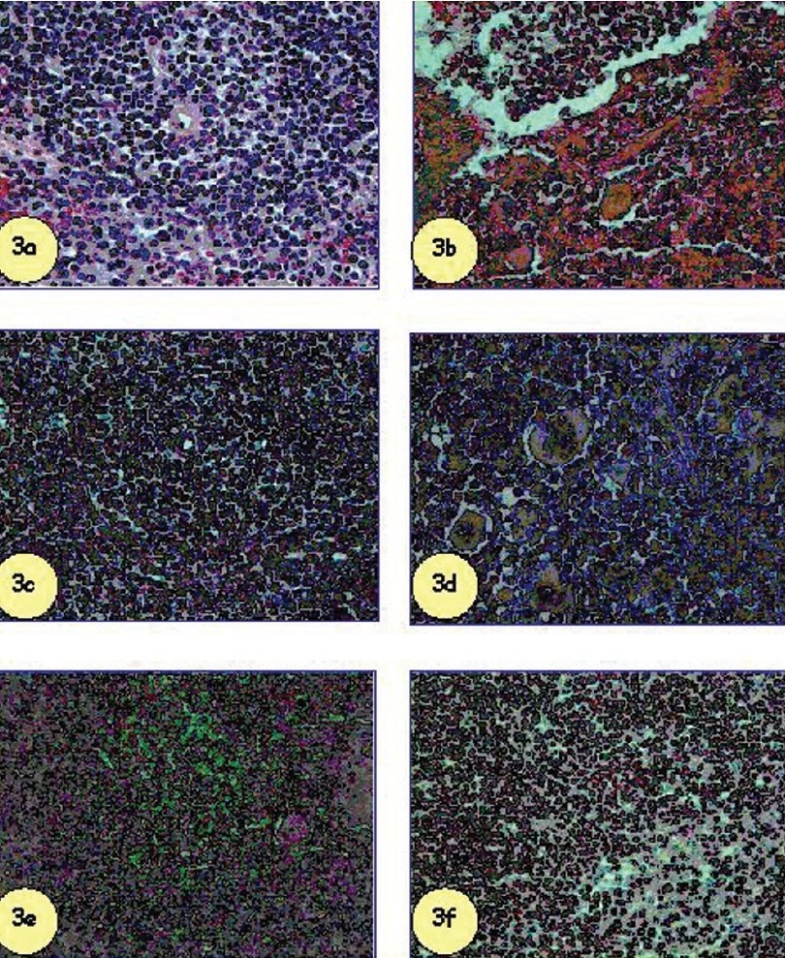
The protection against the lethality of SM was very good with the flavonoids (quercetin = 4.7 folds; gossypin = 6.7 folds and HR flavone = 5.6 folds), compared to no protection with tocopherol acetate (0.7 fold). SM (2 LD(50)) showed decrease in reduced and oxidised glutathione (GSH and GSSG) levels, and an increase in malondialdehyde level (MDA). Oxidative stress enzymes like glutathione peroxidase, glutathione reductase and superoxide dismutase were significantly decreased. The total antioxidant status was also significantly decreased. Additionally, there was a significant increase in red blood corpuscles and hemoglobin content. All the flavonoids significantly protected the GSH, GSSG and MDA, and also the hematological variables. Tocopherol acetate failed to offer any protection in those parameters. Gossypin protected glutathione peroxidase, while HR flavone protected both glutathione reductase and glutathione peroxidase significantly. The decrease in body weight induced by SM and the histological lesions in liver and spleen were also significantly protected by the flavonoids but not by tocopherol acetate.
The present study supports that SM induces oxidative stress and flavonoids are promising cytoprotectants against this toxic effect.
评估槲皮素、棉子糖、沙棘黄酮和醋酸生育酚对经皮给予硫芥(SM)引起的全身毒性的保护作用。
在经皮给予 SM 之前,给予槲皮素、棉子糖、沙棘黄酮或醋酸生育酚(200mg/kg,ip),并评估对 SM 致死性的保护作用。在另一个实验中,给予槲皮素、棉子糖、沙棘黄酮或醋酸生育酚以对抗 2LD(50)SM。在 SM 给药后七天处死动物,估计各种生化参数。
与醋酸生育酚(0.7 倍)相比,黄酮类化合物(槲皮素=4.7 倍;棉子糖=6.7 倍,沙棘黄酮=5.6 倍)对 SM 致死性的保护作用非常好。SM(2LD(50))显示还原型和氧化型谷胱甘肽(GSH 和 GSSG)水平降低,丙二醛(MDA)水平升高。氧化应激酶如谷胱甘肽过氧化物酶、谷胱甘肽还原酶和超氧化物歧化酶显著降低。总抗氧化状态也显著降低。此外,红细胞和血红蛋白含量显著增加。所有黄酮类化合物均显著保护 GSH、GSSG 和 MDA,以及血液学参数。醋酸生育酚在这些参数中未能提供任何保护。棉子糖保护谷胱甘肽过氧化物酶,而沙棘黄酮显著保护谷胱甘肽还原酶和谷胱甘肽过氧化物酶。SM 引起的体重减轻和肝脾组织学损伤也被黄酮类化合物显著保护,但醋酸生育酚则没有。
本研究支持 SM 诱导氧化应激,黄酮类化合物是对抗这种毒性作用的有前途的细胞保护剂。