Department of Psychology, Biopsychology Program, University of Michigan, Ann Arbor, Michigan 48109, USA.
Biol Psychiatry. 2010 Apr 15;67(8):730-6. doi: 10.1016/j.biopsych.2009.11.015. Epub 2010 Jan 4.
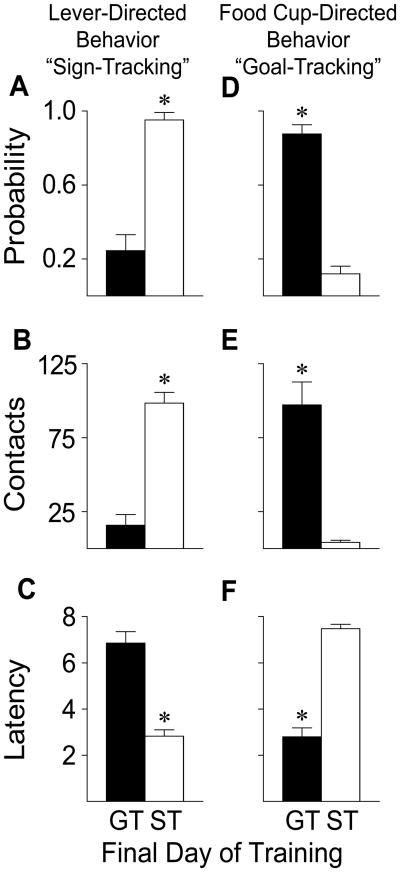
In addicts drug cues attract attention, elicit approach, and motivate drug-seeking and drug-taking behavior, and addicts find it difficult to resist such cues. In preclinical studies we have found, however, that food cues acquire incentive motivational properties only in a subset of individuals. For example, a food cue becomes attractive, eliciting approach and engagement with it, and acts as an effective conditional reinforcer in some rats but not others. We asked, therefore, whether rats that have a propensity to attribute incentive salience to a food cue are the same ones that attribute incentive value to a drug (cocaine) cue.
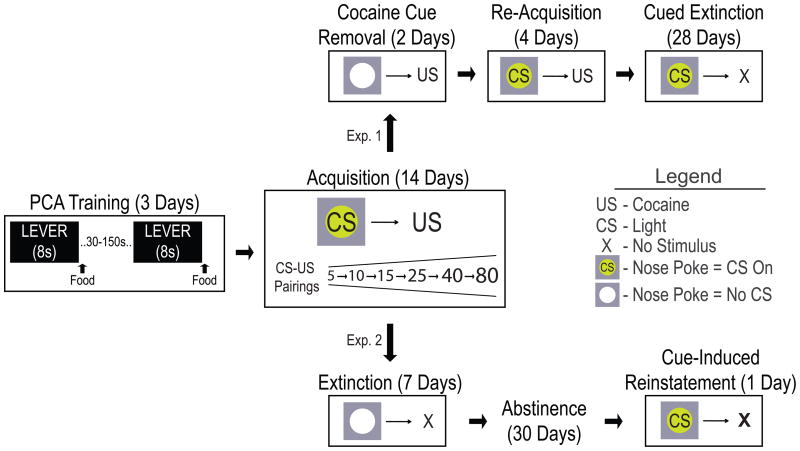
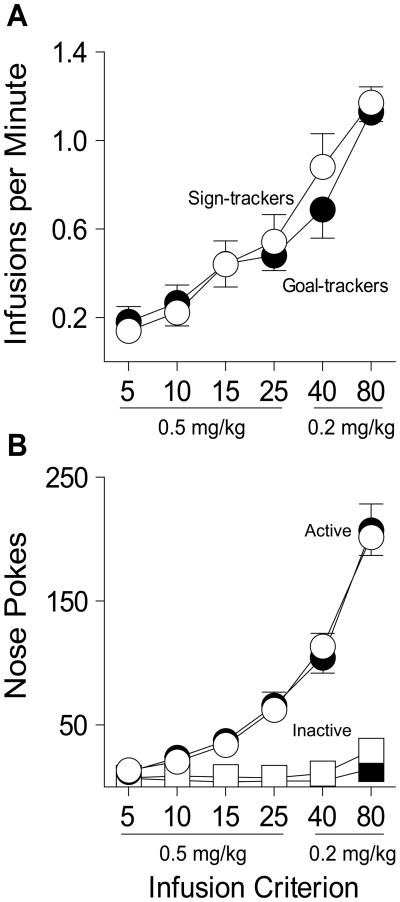
We first used a Pavlovian conditioned approach procedure to determine which individual rats attributed incentive salience to a food cue. A second cue was then associated with the IV self-administration of cocaine. Later, the ability of the cocaine cue to maintain self-administration behavior and to reinstate self-administration after extinction was assessed.
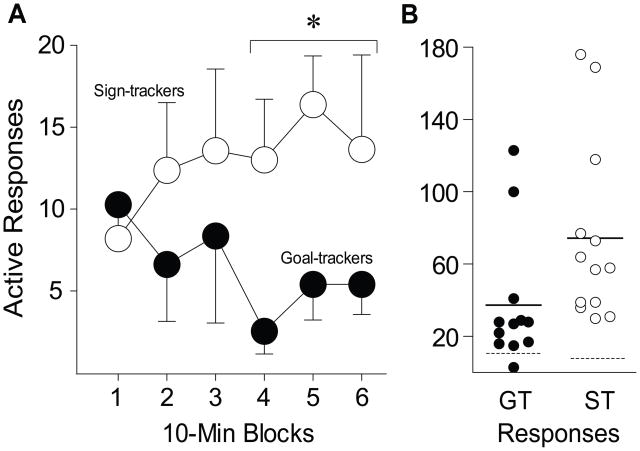
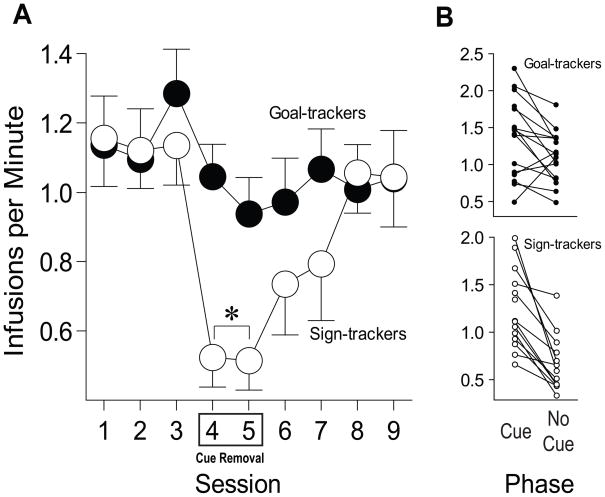
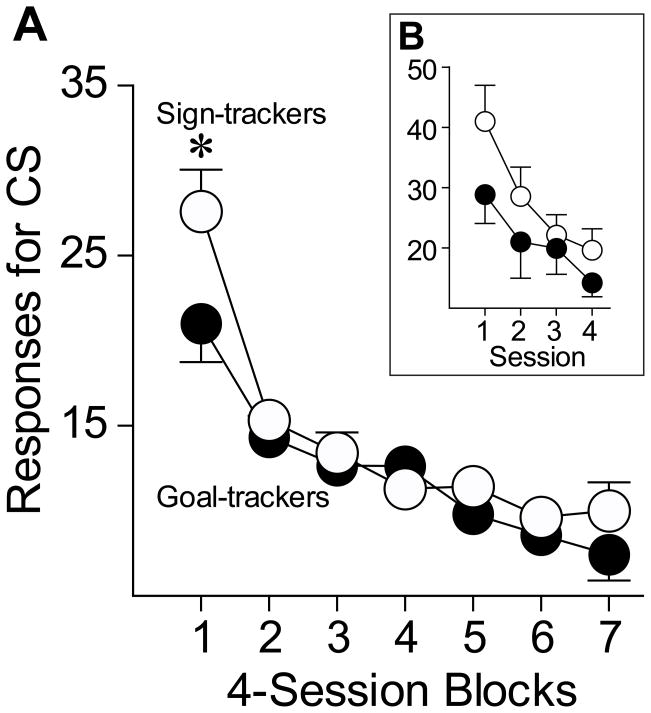
We report that in individuals that had a propensity to attribute incentive salience to a food cue, a cocaine cue spurred motivation to take drugs (its removal greatly diminished self-administration) and reinstated robust drug-seeking after extinction. However, in those individuals that failed to attribute incentive salience to a food cue, the cocaine cue was relatively devoid of incentive motivational properties.
We conclude that it is possible to determine, before any drug experience, which individuals will most likely have difficulty resisting drug cues, a trait that might confer susceptibility to addiction.
在成瘾者中,药物线索会吸引注意力,引起接近,并促使他们寻求和使用药物,而成瘾者发现很难抵制这些线索。然而,在临床前研究中,我们发现,食物线索只有在一部分个体中才会获得激励动机属性。例如,食物线索变得有吸引力,引起接近和与之互动,并且在一些大鼠中作为有效的条件强化物起作用,但在其他大鼠中则不然。因此,我们想知道,那些倾向于将激励价值归因于食物线索的大鼠是否也会将激励价值归因于药物(可卡因)线索。
我们首先使用条件性趋近程序来确定哪些个体大鼠将激励价值归因于食物线索。然后,第二个线索与可卡因的 IV 自我给药相关联。之后,评估可卡因线索维持自我给药行为的能力,以及在消退后重新激发自我给药的能力。
我们报告说,在那些倾向于将激励价值归因于食物线索的个体中,可卡因线索激发了吸毒的动机(其去除大大减少了自我给药),并在消退后重新激发了强烈的觅药行为。然而,在那些未能将激励价值归因于食物线索的个体中,可卡因线索相对缺乏激励动机属性。
我们得出结论,在任何药物体验之前,有可能确定哪些个体最有可能难以抵制药物线索,这种特质可能使他们容易成瘾。