Institute of Molecular Cardiology, University of Louisville, Louisville, KY 40292, USA.
Circulation. 2010 Jan 19;121(2):293-305. doi: 10.1161/CIRCULATIONAHA.109.871905. Epub 2010 Jan 4.
Administration of cardiac progenitor cells (CPCs) 4 hours after reperfusion ameliorates left ventricular function in rats with acute myocardial infarction (MI). Clinically, however, this approach is not feasible, because expansion of autologous CPCs after acute MI requires several weeks. Therefore, we sought to determine whether CPCs are beneficial in the more clinically relevant setting of an old MI (scar).
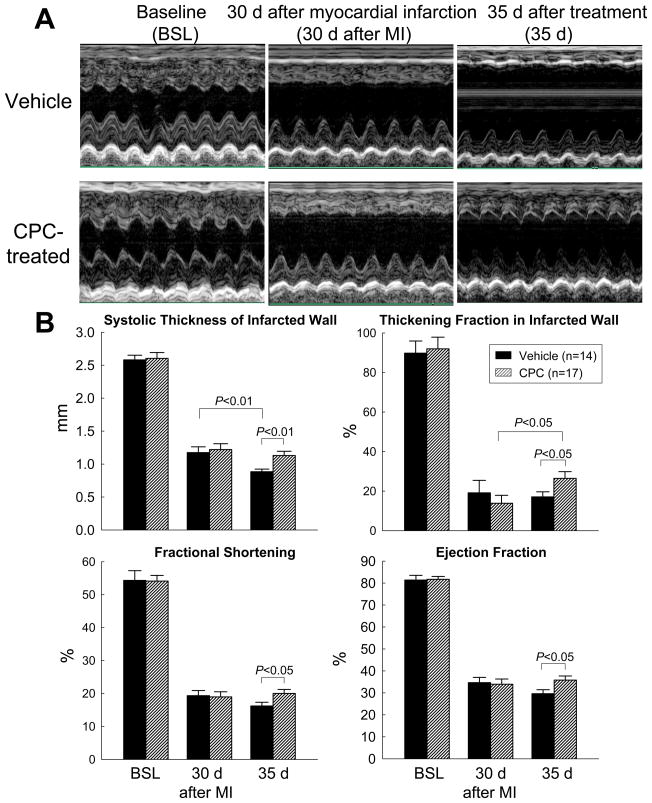
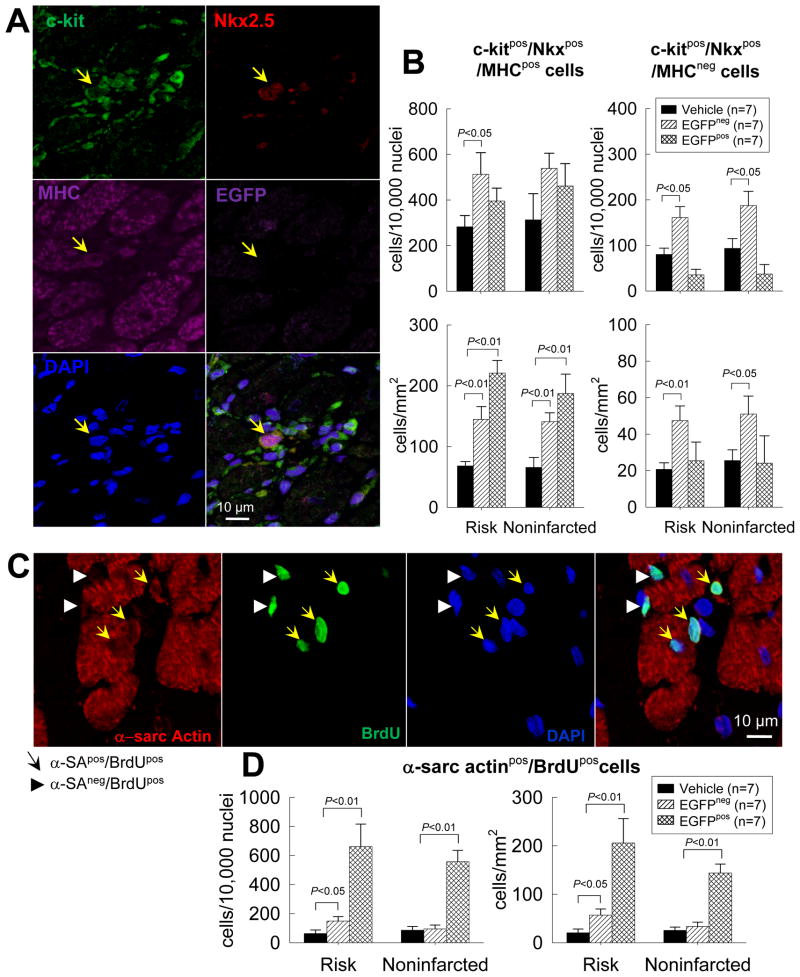
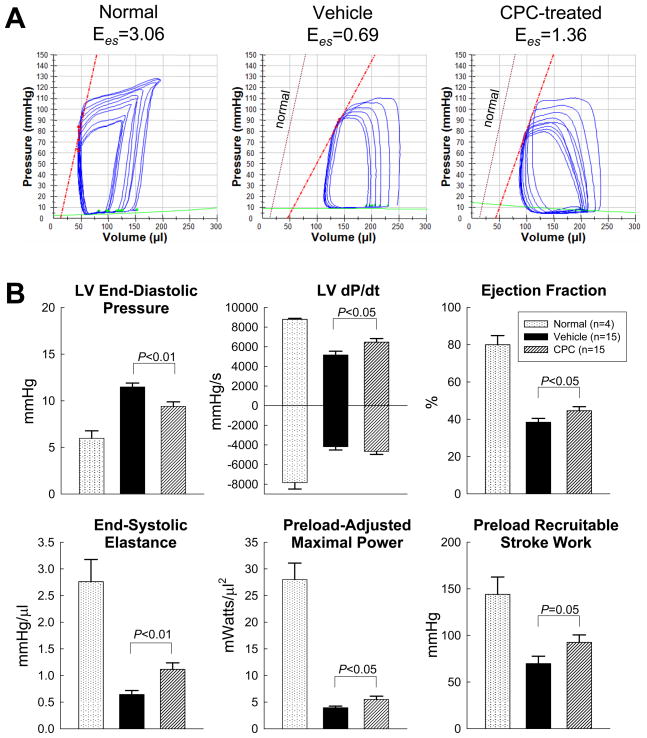
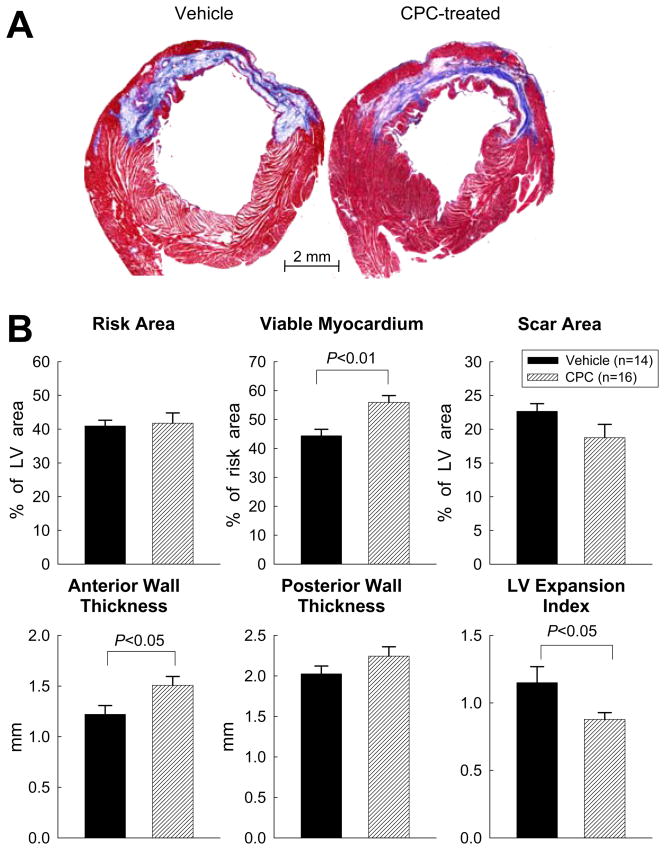
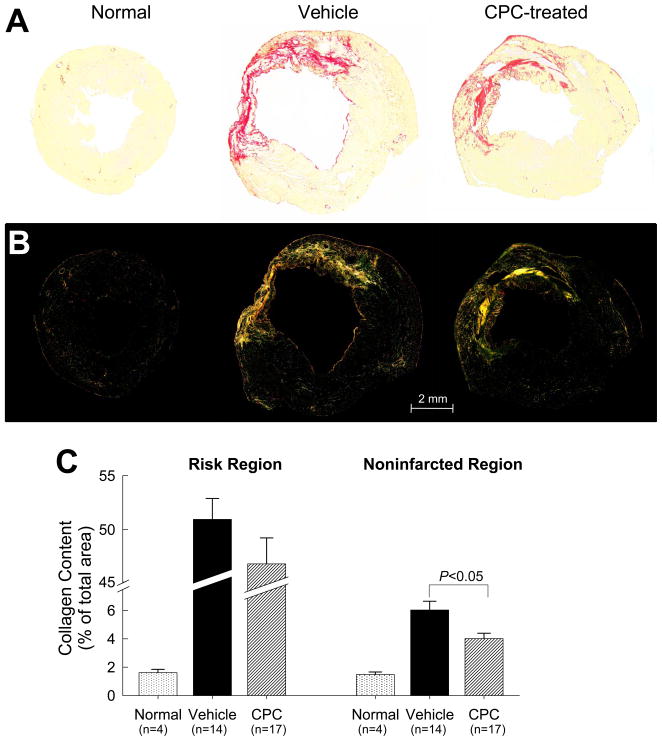
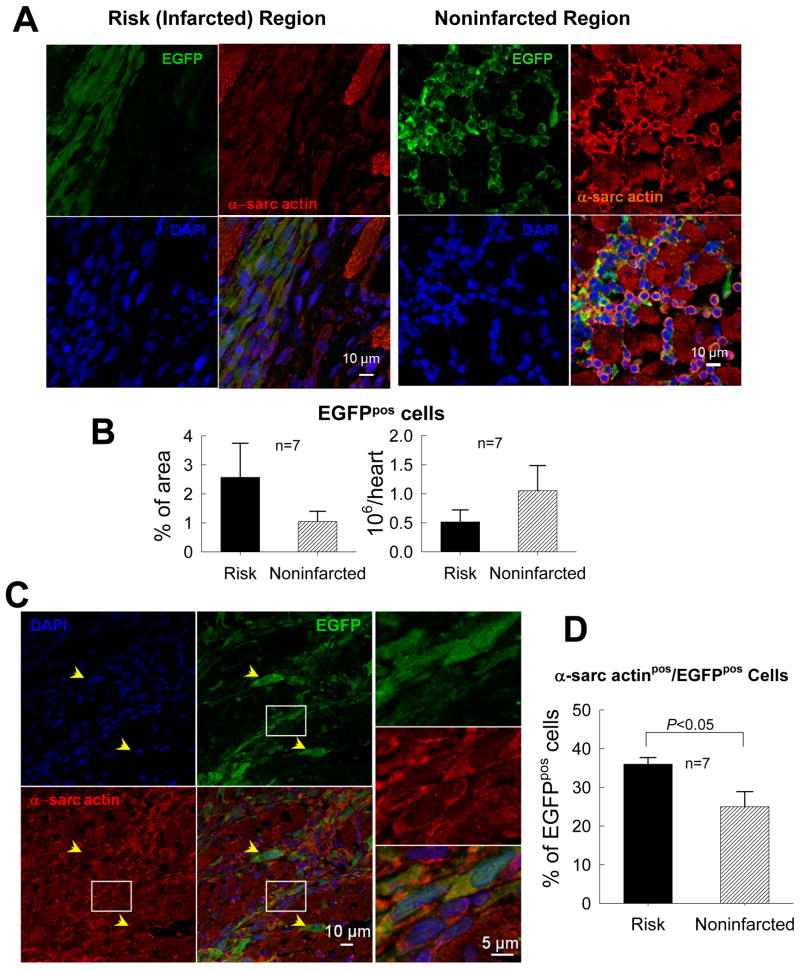
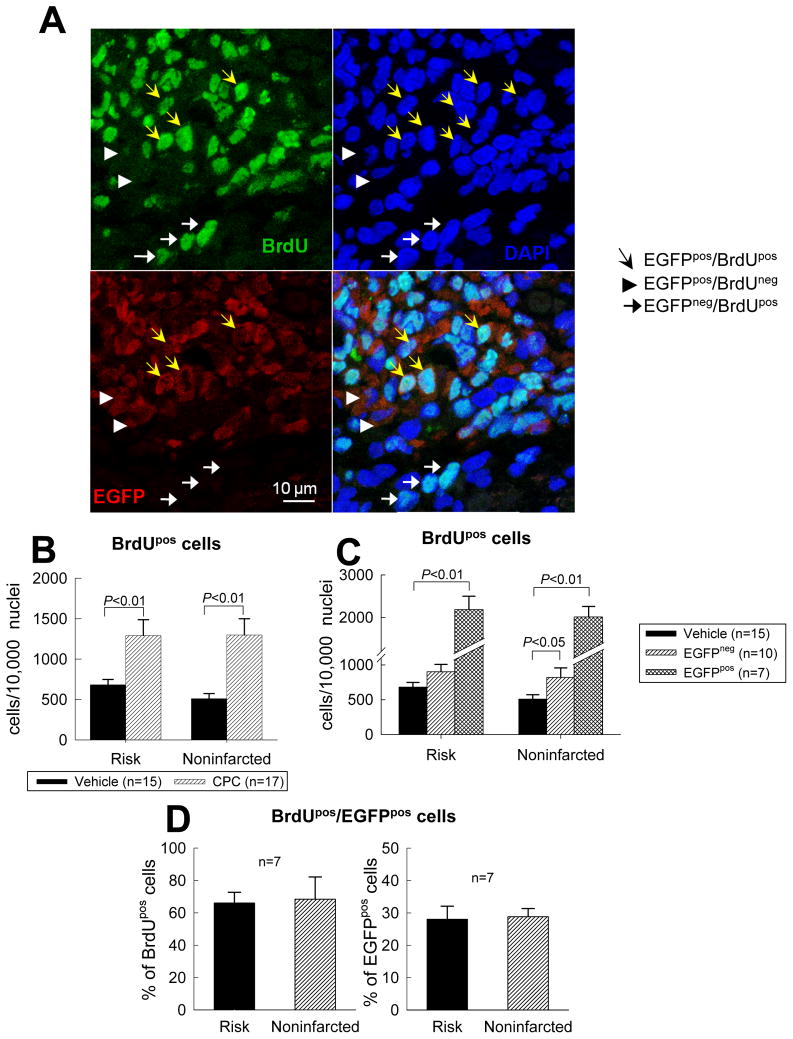
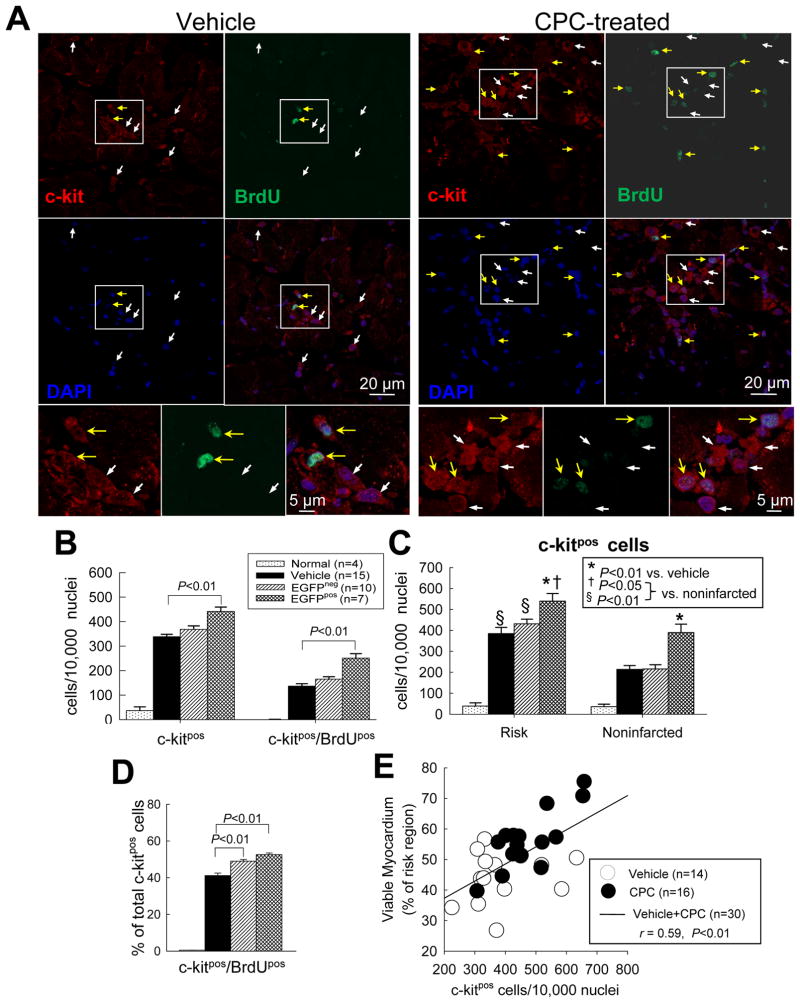
One month after coronary occlusion/reperfusion, rats received an intracoronary infusion of vehicle or enhanced green fluorescent protein-labeled CPCs. Thirty-five days later, CPC-treated rats exhibited more viable myocardium in the risk region, less fibrosis in the noninfarcted region, and improved left ventricular function. Cells that stained positive for enhanced green fluorescent protein that expressed cardiomyocyte, endothelial, and vascular smooth muscle cell markers were observed only in 7 of 17 treated rats and occupied only 2.6% and 1.1% of the risk and noninfarcted regions, respectively. Transplantation of CPCs was associated with increased proliferation and expression of cardiac proteins by endogenous CPCs.
Intracoronary administration of CPCs in the setting of an old MI produces beneficial structural and functional effects. Although exogenous CPCs can differentiate into new cardiac cells, this mechanism is not sufficient to explain the benefits, which suggests paracrine effects; among these, the present data identify activation of endogenous CPCs. This is the first report that CPCs are beneficial in the setting of an old MI when given by intracoronary infusion, the most widely applicable therapeutic approach in patients. Furthermore, this is the first evidence that exogenous CPC administration activates endogenous CPCs. These results open the door to new therapeutic applications for the use of autologous CPCs in patients with old MI and chronic ischemic cardiomyopathy.
在再灌注后 4 小时给予心脏祖细胞(CPCs)可改善急性心肌梗死(MI)大鼠的左心室功能。然而,在临床上,这种方法不可行,因为急性 MI 后自体 CPC 的扩增需要数周时间。因此,我们试图确定 CPC 在更具临床相关性的陈旧性 MI(瘢痕)环境中是否有益。
在冠状动脉闭塞/再灌注后 1 个月,大鼠接受冠状动脉内输注载体或增强型绿色荧光蛋白标记的 CPC。35 天后,CPC 治疗组大鼠在风险区域内有更多的存活心肌,非梗塞区域内的纤维化减少,左心室功能得到改善。仅在 17 只治疗大鼠中的 7 只中观察到对增强型绿色荧光蛋白呈阳性染色且表达心肌细胞、内皮细胞和血管平滑肌细胞标志物的细胞,分别仅占风险和非梗塞区域的 2.6%和 1.1%。CPC 的移植与内源性 CPC 的增殖和心脏蛋白表达增加有关。
陈旧性 MI 时冠状动脉内给予 CPC 可产生有益的结构和功能效应。尽管外源性 CPC 可分化为新的心肌细胞,但这种机制不足以解释其益处,提示旁分泌作用;其中,本数据确定了内源性 CPC 的激活。这是 CPC 在经冠状动脉内输注陈旧性 MI 时有益的首个报告,这是患者最广泛适用的治疗方法。此外,这是外源性 CPC 给药可激活内源性 CPC 的首个证据。这些结果为陈旧性 MI 和慢性缺血性心肌病患者使用自体 CPC 开辟了新的治疗应用。