Tang Xian-Liang, Wysoczynski Marcin, Gumpert Anna M, Solanki Mitesh, Li Yan, Wu Wen-Jian, Zheng Shirong, Ruble Halina, Li Hong, Stowers Heather, Zheng Shengnan, Ou Qinghui, Tanveer Nida, Slezak Jan, Kalra Dinesh K, Bolli Roberto
Institute of Molecular Cardiology, University of Louisville, 550 S Jackson Street, ACB Bldg, 3rd Floor, Louisville, KY 40202.
Centre of Experimental Medicine, Institute for Heart Research, Bratislava, Slovakia.
Cardiovasc Res. 2024 Dec 4;120(15):1939-1952. doi: 10.1093/cvr/cvae173.
The development of cell therapy as a widely available clinical option for ischaemic cardiomyopathy is hindered by the invasive nature of current cell delivery methods. Furthermore, the rapid disappearance of cells after transplantation provides a cogent rationale for using repeated cell doses, which, however, has not been done thus far in clinical trials because it is not feasible with invasive approaches. The goal of this translational study was to test the therapeutic utility of the intravenous route for cell delivery.
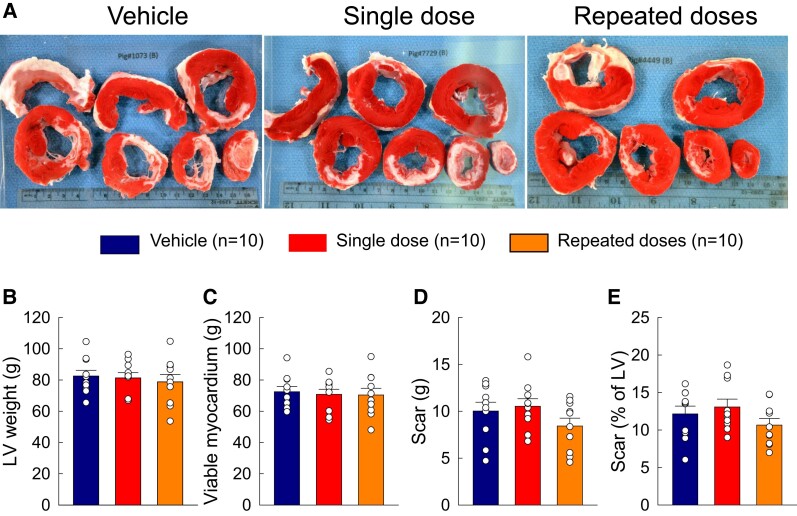
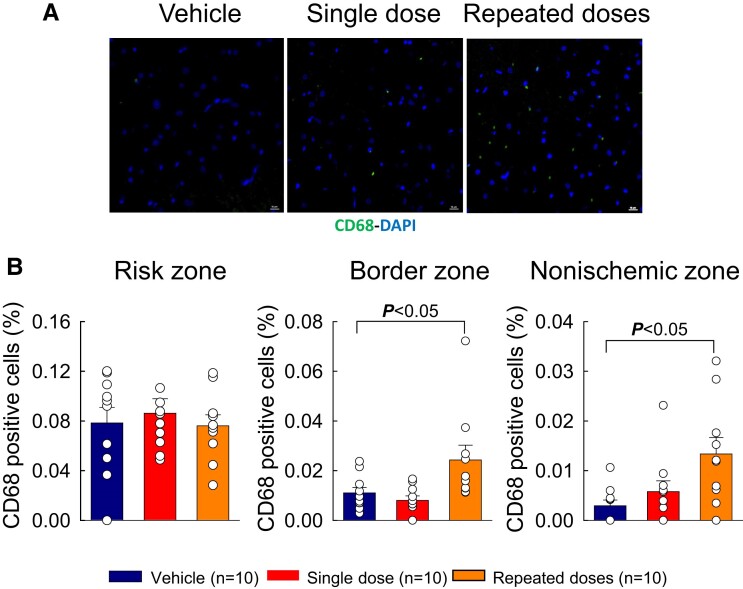
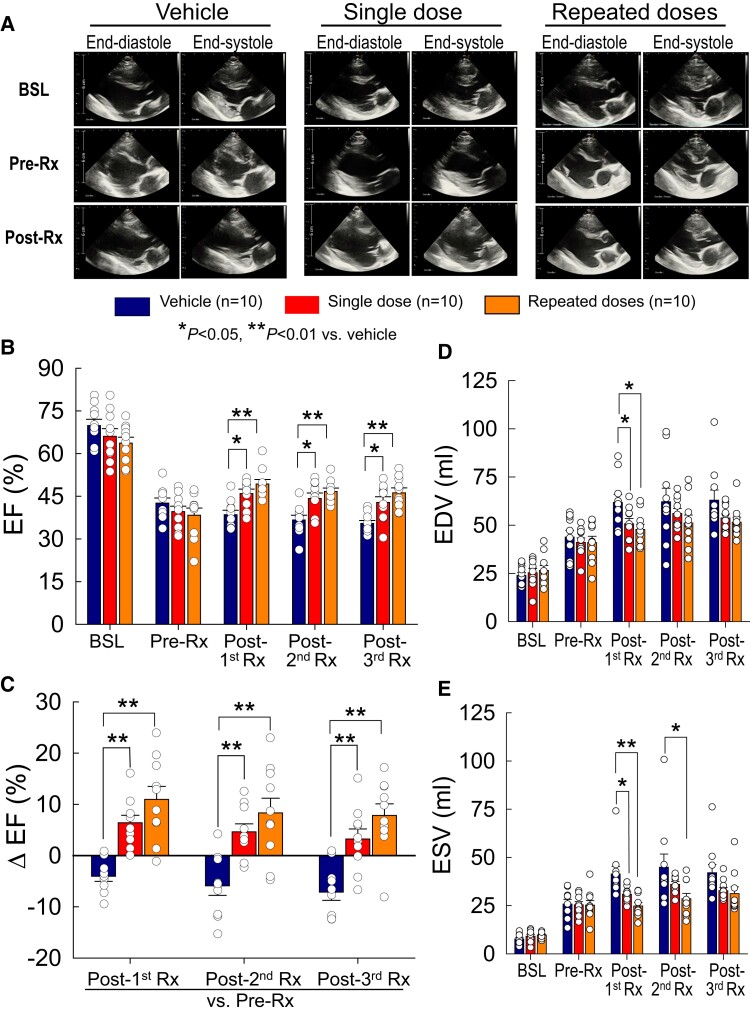
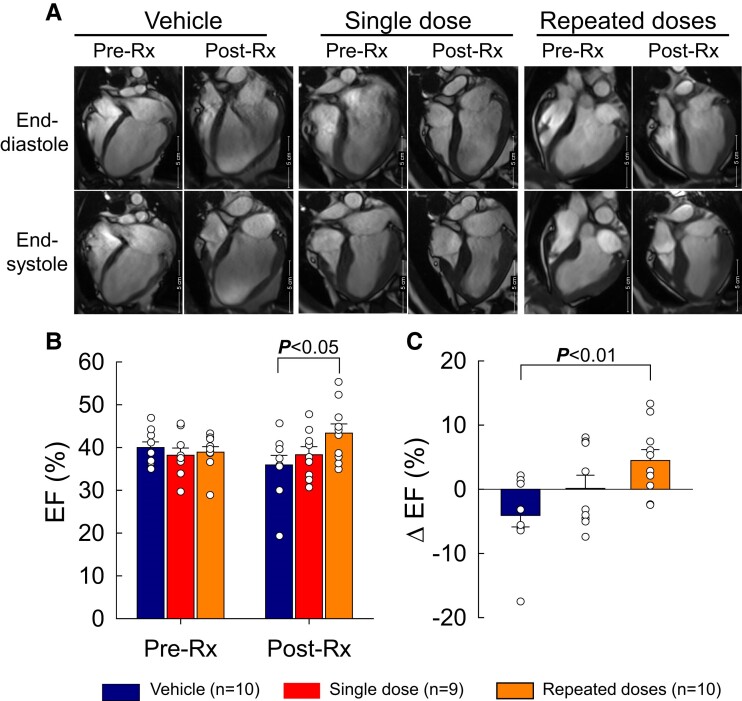
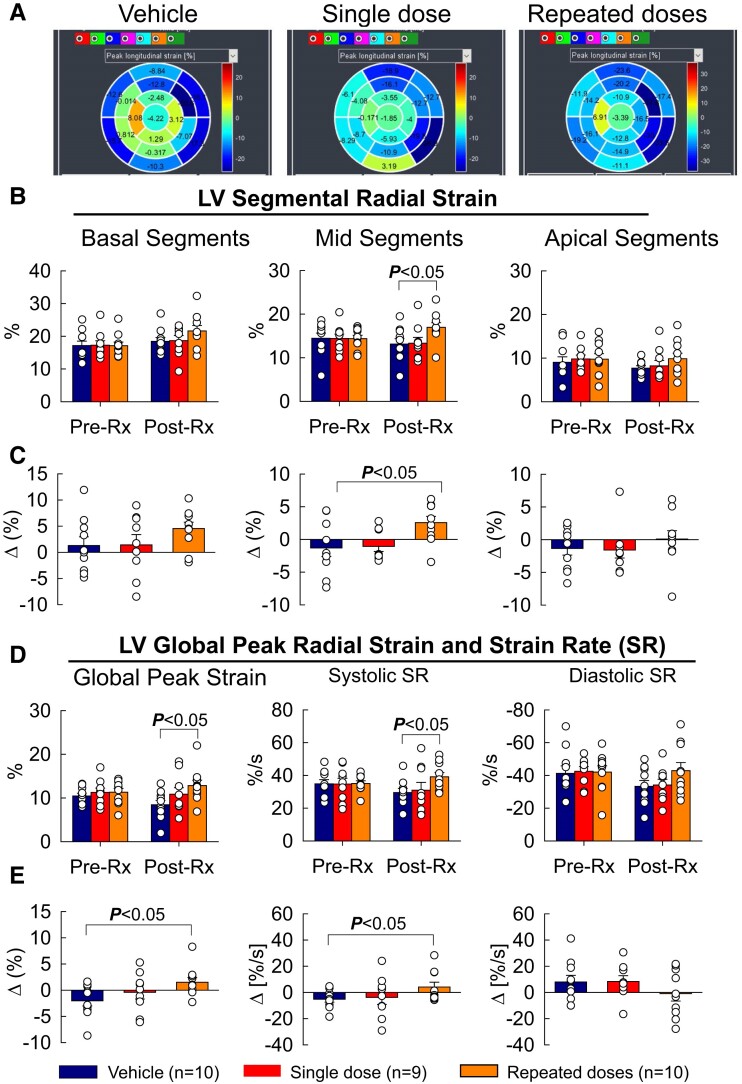
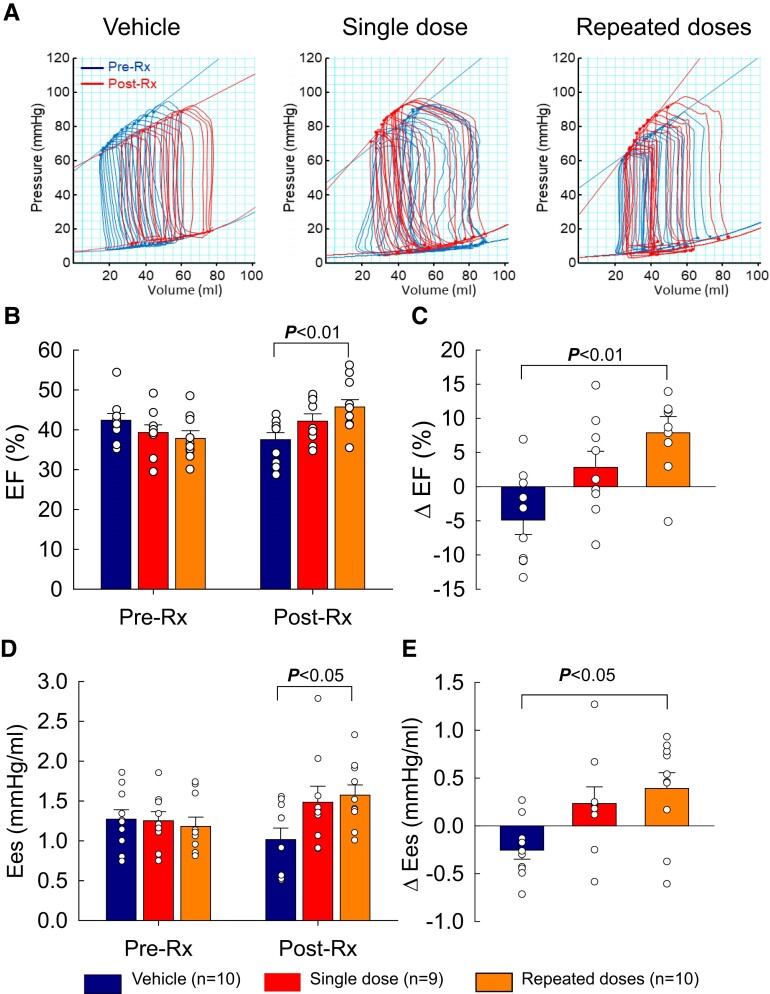
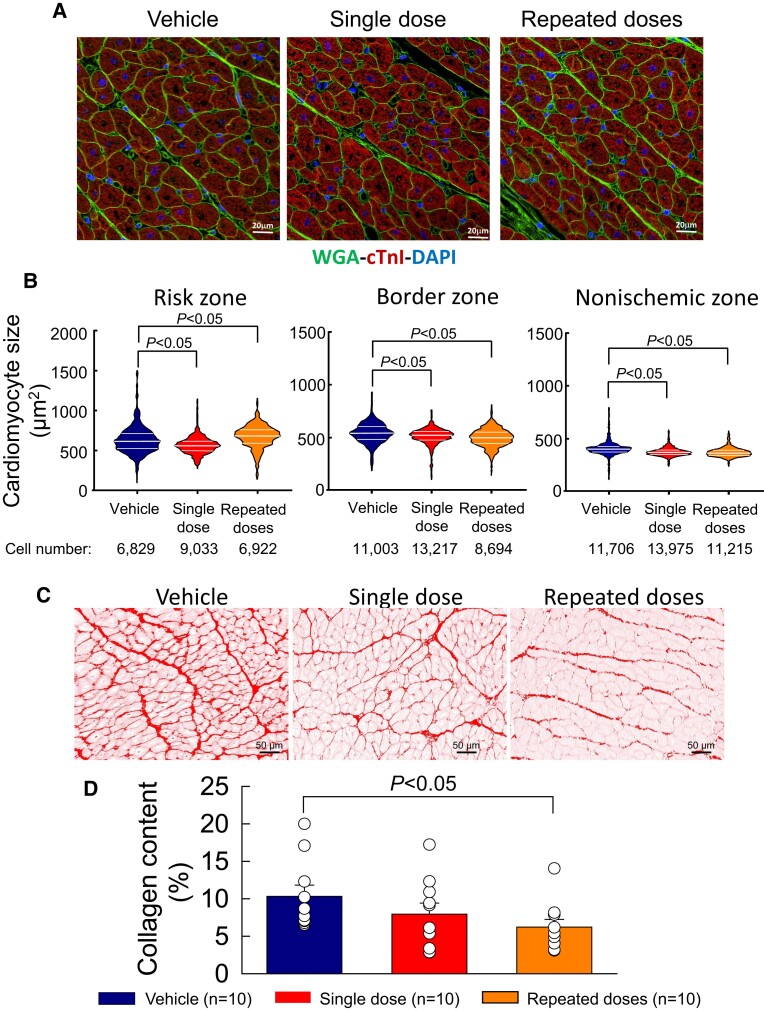
Pigs with chronic ischaemic cardiomyopathy induced by myocardial infarction received one or three intravenous doses of allogeneic bone marrow mesenchymal stromal cells (MSCs) or placebo 35 days apart. Rigour guidelines, including blinding and randomization, were strictly followed. A comprehensive assessment of left ventricular (LV) function was conducted with three independent methods (echocardiography, magnetic resonance imaging, and haemodynamic studies). The results demonstrate that three doses of MSCs improved both load-dependent and independent indices of LV function and reduced myocardial hypertrophy and fibrosis; in contrast, one dose failed to produce most of these benefits.
To our knowledge, this is the first study to show that intravenous infusion of a cell product improves LV function and structure in a large animal model of chronic ischaemic cardiomyopathy and that repeated infusions are necessary to produce robust effects. This study, conducted in a clinically relevant model, supports a new therapeutic strategy based on repeated intravenous infusions of allogeneic MSCs and provides a foundation for a first-in-human trial testing this strategy in patients with chronic ischaemic cardiomyopathy.
目前的细胞递送方法具有侵入性,这阻碍了细胞疗法成为缺血性心肌病广泛可用的临床选择。此外,移植后细胞的快速消失为使用重复细胞剂量提供了有力的理由,然而,由于侵入性方法不可行,迄今为止在临床试验中尚未这样做。这项转化研究的目的是测试静脉途径进行细胞递送的治疗效用。
患有由心肌梗死诱导的慢性缺血性心肌病的猪,相隔35天接受一次或三次静脉注射同种异体骨髓间充质基质细胞(MSC)或安慰剂。严格遵循包括盲法和随机化在内的严格指南。使用三种独立方法(超声心动图、磁共振成像和血流动力学研究)对左心室(LV)功能进行全面评估。结果表明,三次剂量的MSC改善了LV功能的负荷依赖性和非依赖性指标,并减少了心肌肥大和纤维化;相比之下,一次剂量未能产生这些益处中的大多数。
据我们所知,这是第一项表明在慢性缺血性心肌病的大型动物模型中静脉输注细胞产品可改善LV功能和结构,且重复输注对于产生显著效果是必要的研究。这项在临床相关模型中进行的研究支持了基于重复静脉输注同种异体MSC的新治疗策略,并为在慢性缺血性心肌病患者中测试该策略的首次人体试验提供了基础。