The First Pharmacology Laboratory, Pharmaceutical Research Labs, Toray Industries, Kamakura, Kanagawa, Japan.
Diabetes. 2010 Apr;59(4):1092-100. doi: 10.2337/db09-1432. Epub 2010 Jan 12.
The prostacyclin analog, beraprost sodium (BPS), was examined for its potential to improve the symptoms of obesity-type diabetes (i.e., hyperglycemia, hyperinsulinemia, dyslipidemia, histopathologic changes, and diabetic complications).
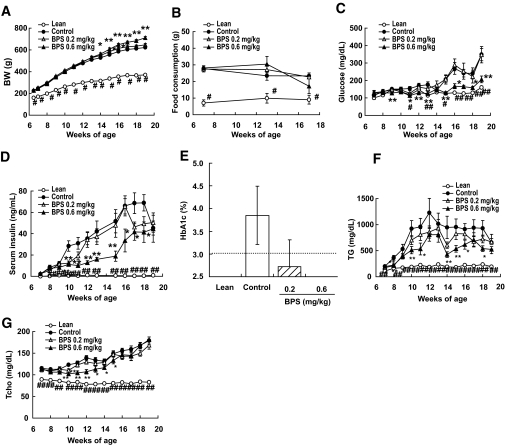
Obese Zucker rats, an experimental model of genetic obesity-induced type 2 diabetes, were repeatedly administered BPS at oral doses of 0.2 or 0.6 mg x kg(-1) x day(-1) b.i.d. for 12 weeks, and serum chemistry, urinalysis, and histopathologic examination were performed.
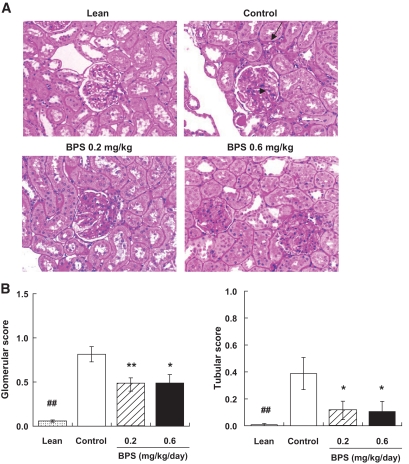
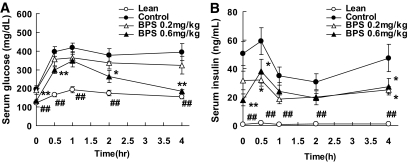
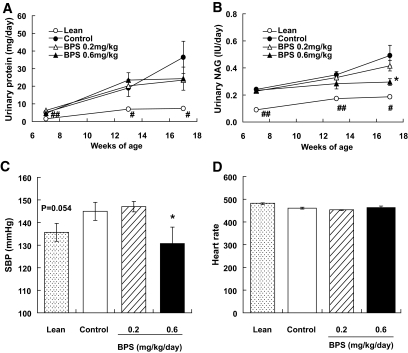
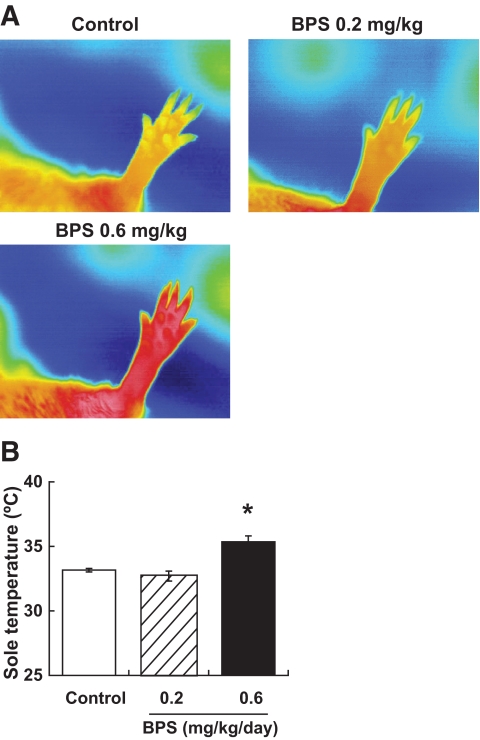
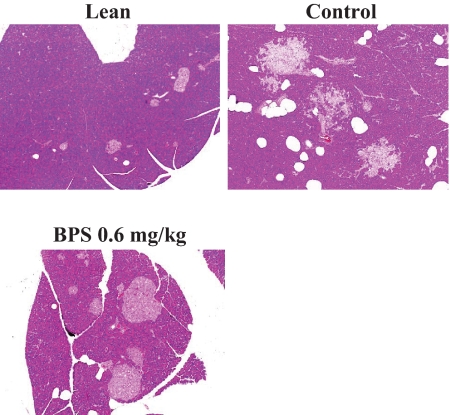
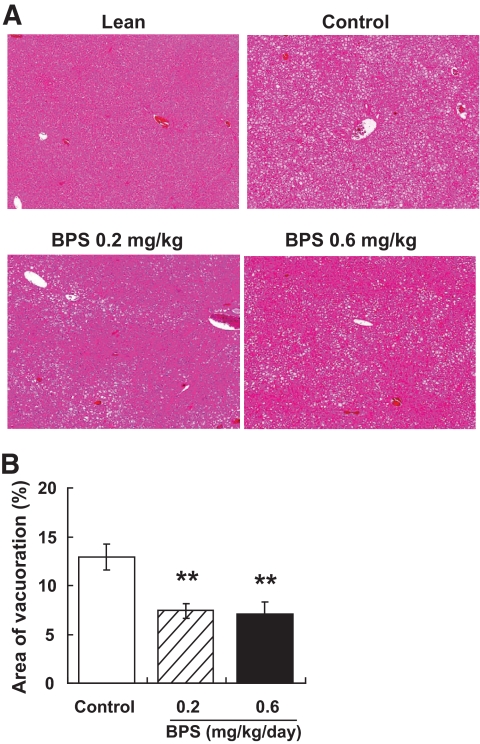
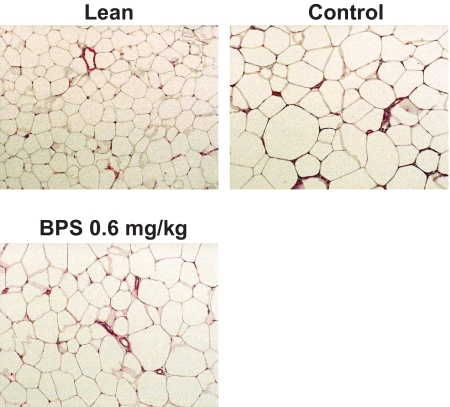
BPS dose-dependently suppressed serum glucose, insulin, triglyceride, and cholesterol levels in obese animals. In oral glucose tolerance test, BPS suppressed the post-glucose-loading elevation of serum glucose in a dose-dependent manner. Urinary N-acetyl-beta-D-glucosaminidase was significantly lower in BPS-treated obese animals compared with control animals, although no significant differences were observed in urinary protein levels between the BPS-treated groups and the control group. In addition, histopathologic examination revealed significant protective effects of BPS against renal disorder in obese animals. Histopathologically, BPS also inhibited the progression of hepatic steatosis, hypertrophy of adipose tissue, and pancreatic fibrosis. Furthermore, thermographic analysis of the hind limb sole skin surface indicated a significant increase in temperature in BPS-treated animals, compared with control animals, which was likely due to improved blood circulation by administration of BPS.
BPS suppressed the pathogenesis and development of diabetes and its complication, nephropathy, which was presumably accompanied by improving glucose intolerance and insulin resistance in obese Zucker rats.
研究前列环素类似物贝前列素钠(BPS)是否能改善肥胖型糖尿病(即高血糖、高胰岛素血症、血脂异常、组织病理学改变和糖尿病并发症)的症状。
肥胖型 Zucker 大鼠是一种遗传性肥胖诱导的 2 型糖尿病的实验模型,给予 BPS 口服剂量分别为 0.2 或 0.6mg·kg^-1·d^-1,每天 2 次,共 12 周,进行血清化学、尿液分析和组织病理学检查。
BPS 剂量依赖性地抑制肥胖动物的血清葡萄糖、胰岛素、甘油三酯和胆固醇水平。在口服葡萄糖耐量试验中,BPS 以剂量依赖性方式抑制葡萄糖负荷后血清葡萄糖的升高。与对照组相比,BPS 治疗的肥胖动物的尿 N-乙酰-β-D-氨基葡萄糖苷酶明显降低,而 BPS 治疗组与对照组之间的尿蛋白水平没有显著差异。此外,组织病理学检查显示 BPS 对肥胖动物的肾脏疾病有显著的保护作用。组织病理学上,BPS 还抑制了肝脂肪变性、脂肪组织肥大和胰腺纤维化的进展。此外,后肢足底皮肤表面的热成像分析表明,与对照组相比,BPS 治疗组动物的体温显著升高,这可能是由于 BPS 改善了血液循环。
BPS 抑制了肥胖 Zucker 大鼠糖尿病及其并发症肾病的发病和发展,这可能伴随着改善葡萄糖耐量和胰岛素抵抗。